




Gerontology is the study of aging.
It examines its impacts on society.
Understanding issues related to the aging population is crucial.
Addressing these issues benefits society as a whole.
Upcoming trends in the field are shaping gerontology’s future.
Innovations continue to improve aging research and care.
Demographic Trends
- The aging population is rapidly growing worldwide.
- This exponential growth poses challenges for healthcare systems.
- It also affects social services and the economy.
- Gerontology research and innovation are crucial in adapting to these changes.
As the world’s population continues to age, there is a pressing need for innovative approaches in gerontology.
These approaches address the challenges and opportunities that come with this demographic shift.
Let’s delve deeper into the demographic trends and their implications.
The Aging Population and Its Exponential Growth Worldwide
The global population is aging at an unprecedented rate.
The number of older adults is set to double by 2050.
This demographic shift is fueled by increased life expectancy and declining fertility rates.
Developed countries like Japan, Italy, and Germany are already grappling with aging populations.
Developing nations are quickly catching up.
The magnitude of this demographic change necessitates a reevaluation of existing systems and policies.
Impact on Healthcare Systems, Social Services, and Economy
The aging population poses significant challenges for healthcare systems worldwide.
Older adults often have complex healthcare needs that require specialized care and resources.
This situation strains healthcare providers.
The demand for services increases, causing higher healthcare costs.
The aging population also impacts social services such as housing, transportation, and long-term care.
More older adults require assistance with daily activities.
There is a growing need for affordable and accessible social services to support wellbeing.
From an economic perspective, aging presents both challenges and opportunities.
Increased healthcare spending may strain government budgets.
The elderly also represent a significant consumer market.
Businesses catering to older adults have the potential to thrive.
Adapting to Changing Demographics with Gerontology Research and Innovation
Gerontology, the study of aging and older adults, plays a crucial role in addressing aging population needs.
Advancing research and promoting innovation can improve quality of life for older adults.
Interdisciplinary collaboration and technology integration drive progress in healthcare, social services, and policy.
Innovations in aging research can lead to breakthroughs in disease prevention, treatment, and care delivery.
Gerontology research also informs public policy and social programs.
Understanding older adults’ unique needs and preferences helps policymakers design more effective solutions.
These solutions benefit individuals of all ages.
The future of gerontology lies in embracing demographic trends and harnessing innovation.
Investing in gerontology research and fostering collaboration builds a more age-friendly world.
This world prioritizes the wellbeing of older adults.
Technological Innovations
As the field of gerontology continues to evolve, technological advancements play a crucial role.
These advancements enhance the quality of life for the elderly population.
Let us explore some of the latest innovations designed to cater to seniors’ needs.
- Assistive Devices: These devices help the elderly perform daily tasks independently.
- Health Monitoring Systems: These systems track vital signs and monitor health conditions in real time.
- Communication Tools: Apps and devices facilitate communication with loved ones and healthcare providers.
Integrating technology in gerontology offers many benefits.
Transform Your Career Today
Unlock a personalized career strategy that drives real results. Get tailored advice and a roadmap designed just for you.
Start NowThese benefits include improved access to healthcare services and increased social connectivity.
Enhanced safety measures also result from this integration.
However, challenges exist when implementing these innovations.
- Benefits: Technology helps in early detection of health issues, promotes active aging, and provides personalized care.
- Challenges: Some elderly individuals may struggle to adapt to new technologies. Privacy concerns and device costs are issues as well.
The integration of technology in gerontology can revolutionize elderly care.
It improves overall well-being by addressing seniors’ specific needs and challenges.
Continuing to explore innovative solutions remains essential in today’s society.
See Related Content: Volunteer Coordinator: Building a Supportive Culture
Interdisciplinary Approaches
Collaboration between different disciplines in gerontology research and practice is crucial.
By combining various perspectives and expertise, a more comprehensive understanding of aging and its challenges can be achieved.
Here are some key points highlighting the importance of interdisciplinary approaches in gerontology:
Benefits of Collaboration
- Diverse insights from psychology can help in understanding cognitive changes in older adults.
- Sociological perspectives offer valuable insights into the impact of social structures on aging.
- Public health perspectives focus on prevention strategies and improving overall well-being.
Incorporating Perspectives
- Psychology: Provides insights into cognitive, emotional, and behavioral aspects of aging.
- Sociology: Examines the societal influences and cultural factors affecting older adults.
- Public Health: Focuses on promoting healthy aging and preventing age-related diseases.
Examples of Successful Projects
- Interdisciplinary research on Alzheimer's disease has led to breakthroughs in understanding its complexity.
- Collaboration between gerontologists and urban planners to create age-friendly cities for seniors.
- Joint efforts between geriatricians and psychologists to develop interventions for loneliness in older adults.
Interdisciplinary approaches in gerontology hold immense potential for driving innovation and addressing the multifaceted challenges of aging populations.
By working together, professionals from various fields can create more effective solutions.
These efforts improve the quality of life for older adults.
You Might Also Like: How to Use Social Media for Volunteer Recruitment
Policy and Advocacy
- Address the need for policy changes to better support the aging population.
- Discuss advocacy efforts to improve access to quality healthcare, social services, and housing for older adults.
- Impact of policy decisions on the future of gerontology and aging population.
Addressing the Need for Policy Changes
Policy changes are essential to meet the evolving healthcare and social service needs of the aging population.
As the number of older adults continues to grow, policymakers must adapt to ensure appropriate services and resources are available.
This may involve revising existing policies, introducing new regulations, or reallocating funding to prioritize elderly care.
One critical area that requires attention is healthcare access.
Older adults often face barriers to quality healthcare, including affordability, transportation, and specialized services.
Policymakers can address these challenges by expanding Medicare coverage, increasing funding for geriatric care training, and promoting telehealth options.
By enhancing healthcare access, policymakers can improve the overall well-being of older adults and reduce disparities in care.
In addition to healthcare, policies related to social services and housing are crucial for supporting the aging population.
Many older adults require assistance with daily activities, transportation, and social engagement.
By advocating for increased funding for programs such as Meals on Wheels, senior centers, and affordable housing initiatives, policymakers can enhance the quality of life for older adults.
Investing in these services not only benefits individuals but also strengthens communities by promoting healthy aging and social inclusion.
Advocacy Efforts to Improve Access
Advocacy plays a vital role in promoting the rights and well-being of older adults.
Advocates work to raise awareness about the unique needs of the aging population, influence policy decisions, and ensure that older adults have access to essential services.
By collaborating with policymakers, healthcare providers, and community organizations, advocates can make a significant impact on the lives of older adults.
One area of advocacy that is particularly important is improving access to quality healthcare.
Advocates work to educate policymakers about the challenges faced by older adults in accessing healthcare services and the importance of preventive care.
By advocating for policies that support geriatric care training, Medicare expansion, and affordable prescriptions, advocates can improve health outcomes for older adults and reduce healthcare costs in the long run.
Advocates also play a crucial role in improving access to social services and housing for older adults.
By partnering with local agencies, nonprofit organizations, and businesses, advocates can support initiatives that enhance social engagement, mobility, and housing affordability for older adults.
Through grassroots efforts, advocacy campaigns, and community partnerships, advocates can amplify the voices of older adults and create positive change in their lives.
Influence of Policy Decisions on Gerontology and Aging
Policy decisions have a profound impact on the future of gerontology and the aging population.
By implementing effective policies, policymakers can ensure that older adults receive the care and support they need to age with dignity and independence.
However, inadequate or outdated policies can hinder the well-being of older adults and strain resources.
Positive policy changes, such as expanding Medicare coverage for preventive services or increasing funding for senior housing programs, can lead to better health outcomes, reduced healthcare costs, and improved quality of life for older adults.
By prioritizing policies that promote healthy aging, social inclusion, and age-friendly communities, policymakers can create a more supportive environment for older adults to thrive.
Conversely, neglecting to address the needs of the aging population through policy decisions can have detrimental effects on individuals and society as a whole.
Transform Your Career Today
Unlock a personalized career strategy that drives real results. Get tailored advice and a roadmap designed just for you.
Start NowInadequate funding for essential services, lack of affordable housing options, and limited access to healthcare can exacerbate health disparities, social isolation, and economic insecurity among older adults.
As the population ages, policymakers must proactively address these challenges to ensure a sustainable and equitable future for all older adults.
Policy changes and advocacy efforts are crucial for shaping the future of gerontology and supporting the aging population.
By addressing the unique needs of older adults, advocating for improved access to healthcare and social services, and making informed policy decisions, policymakers and advocates can create a more age-friendly society.
This society promotes healthy aging and enhances the quality of life for older adults.
It is imperative for stakeholders at all levels to collaborate, innovate, and prioritize the well-being of older adults in order to build a more inclusive and sustainable future for aging populations worldwide.
Gain More Insights: How to Motivate Long-Term Volunteers
Cultural Competency
Cultural competence is crucial for providing effective services to diverse aging populations.
Serving minority and marginalized communities in gerontology comes with unique challenges.
Strategies for promoting inclusivity and diversity in gerontology practice include:
- Providing culturally sensitive care tailored to the specific needs of each individual.
- Offering language interpretation services for non-English speaking clients.
- Recruiting and training a diverse workforce to better reflect the communities served.
- Collaborating with community organizations and leaders to build trust and understanding.
- Implementing cultural competency training for all staff members to develop awareness and sensitivity.
Cultural competency goes beyond just understanding different cultural traditions and values.
It involves respecting each individual’s unique identity and background.
Care practices must be adjusted accordingly.
By embracing diversity and inclusivity in gerontology practice, professionals can ensure that all aging populations receive equitable and high-quality care.
Uncover the Details: Public Health Social Work vs. Clinical Social Work
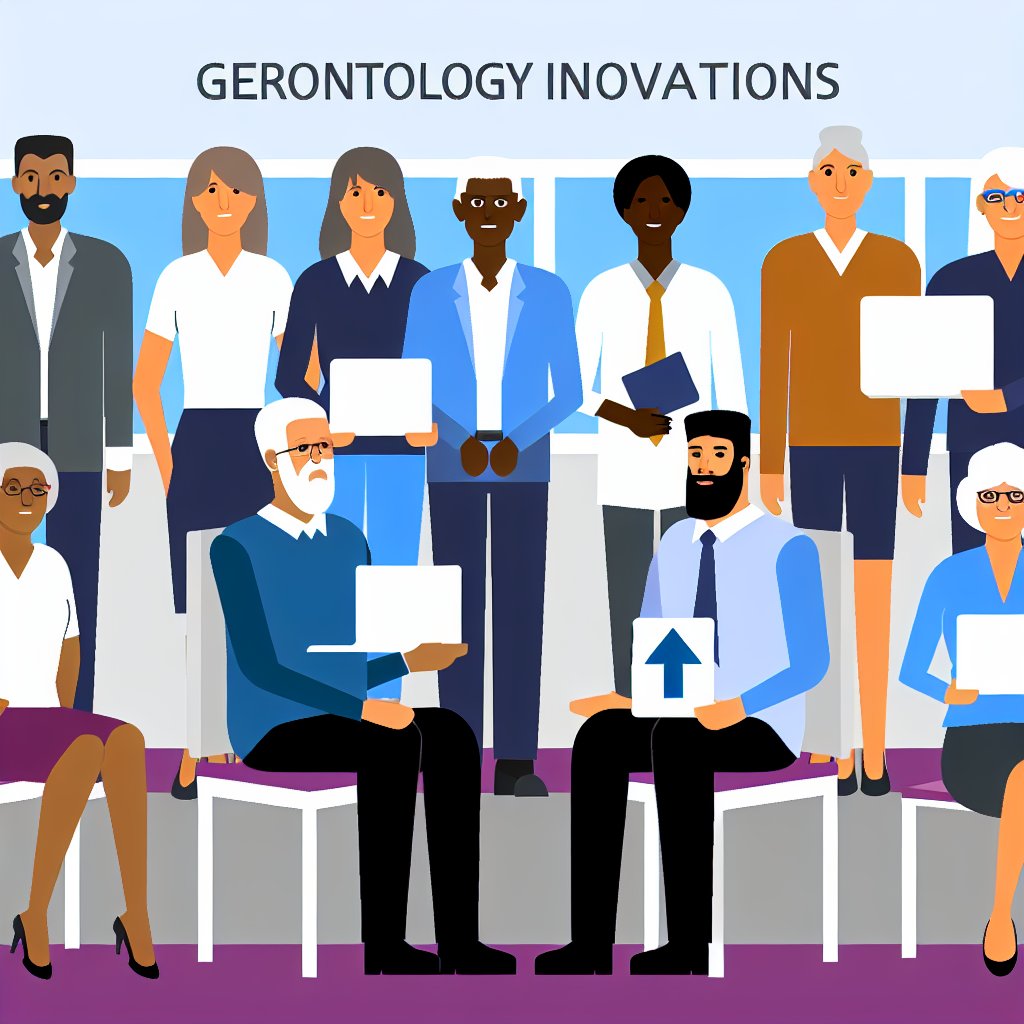
Lifelong Learning and Education
- Lifelong learning for older adults promotes cognitive health and social connectedness.
- Programs and initiatives support ongoing education and skill development for seniors.
- Addressing educational needs of older adults is crucial in gerontology practice.
As people age, it is essential for them to engage in lifelong learning to maintain cognitive health.
They also stay socially connected by participating in learning activities.
Lifelong learning involves continuously seeking knowledge and acquiring new skills throughout one’s life.
This practice can have numerous benefits for older adults.
One key benefit of lifelong learning for older adults is the promotion of cognitive health.
Engaging in intellectually stimulating activities helps maintain cognitive function.
Examples include learning a new language, taking up a new hobby, or pursuing further education.
Such activities may reduce the risk of age-related cognitive decline like dementia.
Lifelong learning also promotes social connectedness among older adults.
Participating in educational programs allows them to meet new people and share experiences.
These social interactions help combat feelings of isolation and loneliness.
Isolation and loneliness are common among seniors, especially those living alone or in care facilities.
Various programs exist to support education and skill development for seniors.
These programs range from formal courses at universities to informal learning at libraries or community centers.
Many universities offer lifelong learning programs designed specifically for older adults.
Examples include continuing education courses and senior audit programs.
Seniors can attend classes for personal enrichment without exams or grades.
Community organizations host workshops, seminars, and cultural events tailored to seniors’ interests and needs.
Gerontology practitioners must address the educational needs of older adults in their practice.
Recognizing lifelong learning’s importance allows gerontologists to develop tailored educational interventions.
These programs support older adults in their learning journey.
Practitioners should collaborate with educational institutions and community groups.
This ensures that older adults have access to diverse, age-appropriate learning opportunities.
Prioritizing lifelong learning contributes to the well-being and quality of life of older adults.
Ethical Considerations in Gerontology
Gerontology research, practice, and policy face ethical challenges that must be addressed.
Transform Your Career Today
Unlock a personalized career strategy that drives real results. Get tailored advice and a roadmap designed just for you.
Start NowInformed consent is crucial in research involving older adults to protect their autonomy.
Privacy concerns arise when gathering sensitive data about older individuals in gerontology studies.
End-of-life care decisions can be ethically complex and require careful consideration of values.
Ethical decision-making is essential to ensure the well-being and dignity of the aging population.
Researchers in gerontology must uphold ethical principles to prevent harm and promote justice.
Practitioners working with older adults should prioritize ethical standards in their care and treatment.
Policies in gerontology should incorporate ethical guidelines to protect the rights of aging individuals.
Discussions around ethical dilemmas in gerontology can lead to better practices and outcomes.
Education and training in ethical issues are essential for professionals working with older adults.
Collaborative efforts between stakeholders can help address ethical challenges in gerontology effectively.
Ethical considerations play a crucial role in the future of gerontology, shaping how we care for and support the aging population.
Advancements Shaping the Future of Gerontology
The key trends and innovations point to a promising future for gerontology.
Personalized medicine continues to transform care for older adults.
Technology integration is evolving rapidly to meet complex aging needs.
Researchers, practitioners, policymakers, and society must prioritize elderly needs.
Investing in research will help generate effective evidence-based practices.
Supportive policies are essential to ensure better quality of life for seniors.
The aging population is growing rapidly around the world.
Continuing innovation and adaptation are crucial to meet their evolving needs.
Staying informed, collaborating, and advocating will shape a brighter future.
Additional Resources
The 2030 Problem: Caring for Aging Baby Boomers – PMC
Health Status and Health Care Service Utilization – Retooling for an …