




Introduction
What does a forensic scientist do? A forensic scientist analyzes evidence using scientific methods.
The importance of forensic science in solving crimes: It helps identify suspects, prove guilt, and ensure justice.
Forensic scientists in the criminal justice system: They work with law enforcement to collect and analyze evidence.
Education and Training for Forensic Scientists
Forensic science requires a strong educational foundation and specialized technical preparation.
Aspiring forensic scientists develop scientific knowledge through academic study and practical experience.
They also maintain professional skills by learning about advances in forensic methods and technology.
Educational Requirements
Most forensic science positions require a bachelor’s degree in forensic science, biology, chemistry, or a related field.
However, some advanced roles may require a master’s degree.
Relevant coursework builds knowledge in several subjects essential to forensic work.
- Biology
- Chemistry
- Mathematics
- Criminal justice
Additionally, internships and research opportunities provide valuable hands-on experience.
Specialized Training in Forensic Techniques
A degree establishes basic knowledge, while specialized training develops practical forensic abilities.
Training may cover DNA analysis, firearms examination, and crime scene investigation.
These focused skills help forensic scientists apply scientific methods during evidence analysis.
Continuous Education and Professional Development
Forensic scientists need continuous education because the field changes as technology and research advance.
Workshops, conferences, and certifications help professionals learn new techniques and strengthen existing skills.
By staying current, forensic scientists can improve their analyses and provide more accurate conclusions.
Ongoing learning also supports career growth and professional development.
Crime Scene Investigation
At a crime scene, forensic scientists collect and analyze physical evidence.
They carefully document and photograph the scene so investigators do not overlook important details.
Additionally, their work connects physical evidence with scientific analysis during investigations.
Evidence Collection and Analysis
Forensic scientists use fingerprint kits to recover prints from relevant surfaces.
They compare recovered fingerprints with database records to help identify possible suspects.
DNA collection kits help scientists gather genetic material for individual identification.
Moreover, forensic photography preserves detailed visual records for later examination.
These photographs support evidence analysis and help investigators review the crime scene.
Evidence Integrity and Court Admissibility
Scientists protect evidence integrity by following strict collection and handling protocols.
Chain of custody records track each transfer and handling event.
These records help prevent tampering, contamination, and questions about evidence authenticity.
Proper documentation also supports evidence admissibility during court proceedings.
Finally, standardized guidelines promote reliable and ethical testimony.
This careful process helps investigations support fair justice.
Explore Further: Ethical Considerations for Security Consultants
Laboratory Analysis in Forensic Science
Laboratory analysis provides scientific information that supports criminal investigations.
Forensic scientists examine evidence using specialized techniques and carefully controlled procedures.
These methods can reveal connections between evidence, victims, suspects, and criminal events.
Techniques Used in Laboratory Analysis
Different types of evidence require different analytical methods.
Therefore, forensic scientists select techniques based on the evidence available.
Each technique can provide information that helps investigators understand a case.
- DNA Testing: Scientists compare DNA from crime scenes with known samples to help identify suspects.
- Toxicology Analysis: Scientists test bodily samples for drugs, alcohol, or other toxins.
- Ballistics Identification: Experts examine bullet and casing markings to connect firearms with shootings.
Strict Laboratory Protocols
Forensic laboratories follow strict protocols to protect evidence integrity.
Chain of custody procedures document evidence handling from collection through laboratory analysis.
Transform Your Career Today
Unlock a personalized career strategy that drives real results. Get tailored advice and a roadmap designed just for you.
Start NowAuthorized personnel must handle evidence carefully to prevent contamination or mishandling.
Laboratories preserve evidence through proper packaging, labeling, and documentation.
Forensic scientists also protect confidential information gathered during the analysis process.
These safeguards support accurate and reliable analytical results.
Importance of Laboratory Analysis
Laboratory analysis supplies scientific evidence for the criminal justice system.
Forensic scientists can use DNA, toxicology, and ballistics findings to clarify criminal cases.
These findings may corroborate witness testimony and establish timelines of events.
Scientific evidence can also help investigators build stronger cases against suspects.
Consequently, careful analysis can support efforts to secure convictions and uphold justice.
Forensic laboratory work requires attention to detail and a strong understanding of scientific principles.
See Related Content: Preparing for a Career in the Sheriff's Department
Data Interpretation in Forensic Science
Forensic scientists interpret analytical data to provide insights into criminal cases.
They collaborate with law enforcement agencies to draw conclusions from evidence.
Additionally, they present their findings in court as expert witnesses.
- Forensic scientists interpret data from analyses to provide insights into criminal cases.
- They collaborate with law enforcement agencies to draw conclusions from evidence.
- They present findings in court as expert witnesses.
Interpreting Data for Insight
Forensic scientists analyze data from tests and experiments conducted on collected evidence.
This interpretation helps them piece together the details of a criminal case.
Moreover, accurate analysis supports a clearer understanding of the evidence.
Collaboration with Law Enforcement
Forensic scientists work closely with law enforcement agencies during investigations.
They provide insights and conclusions based on their analyzed data.
This collaboration helps investigators pursue a thorough and accurate process.
Expert Witness Testimony
Forensic scientists may present their findings in court as expert witnesses.
They explain complex scientific concepts to judges and juries.
Therefore, clear communication helps courts understand the significance of forensic findings.
Importance of Data Interpretation
Data interpretation helps connect evidence with a suspect.
It can also help reconstruct the sequence of events.
Without proper interpretation, collected evidence may have limited value in court.
Challenges in Data Interpretation
Forensic scientists often interpret data from complex crime scenes.
They may also examine many different types of evidence.
Consequently, they must work carefully to maintain accuracy and prevent misinterpretation.
Technology Supporting Data Interpretation
Technological advances have improved data interpretation in forensic science.
DNA analysis and fingerprint matching software support accurate evidence interpretation.
Digital forensics also helps scientists interpret information efficiently.
Training and Expertise in Data Interpretation
Forensic scientists receive extensive training and education in data interpretation.
They learn techniques and methods for analyzing different types of data.
This preparation enables them to provide reliable insights in criminal cases.
Data Interpretation and Criminal Case Resolution
Data interpretation allows forensic experts to draw conclusions from analyzed evidence.
They use those conclusions to support investigations and explain findings in court.
Collaboration and improved technology have strengthened the accuracy and efficiency of this work.
See Related Content: Parole Officer and Case Management
Specializations in Forensic Science
Forensic science includes several specialized areas of scientific investigation.
Transform Your Career Today
Unlock a personalized career strategy that drives real results. Get tailored advice and a roadmap designed just for you.
Start NowEach specialization examines different evidence and supports criminal investigations.
These fields help forensic scientists apply focused knowledge when examining evidence.
Forensic Biology
Forensic biology examines biological materials collected during criminal investigations.
Analysts study blood, saliva, hair, and DNA samples for useful information.
This work can identify suspects and victims through biological evidence.
Forensic Chemistry
Forensic chemistry analyzes chemical substances and residues from different sources.
Specialists examine drugs, explosives, and toxic materials in criminal cases.
Their findings help determine whether specific chemicals exist in submitted evidence.
Forensic Anthropology
Forensic anthropology examines human skeletal remains during forensic investigations.
Specialists assess age, sex, cause of death, and other identifying factors.
This work helps investigators identify unknown individuals.
Choosing a Specialization Based on Interests and Skills
Prospective forensic scientists should match their specialization with personal interests and abilities.
Interests can guide individuals toward biological, chemical, or skeletal evidence.
Relevant skills can help specialists perform accurate examinations and support investigations.
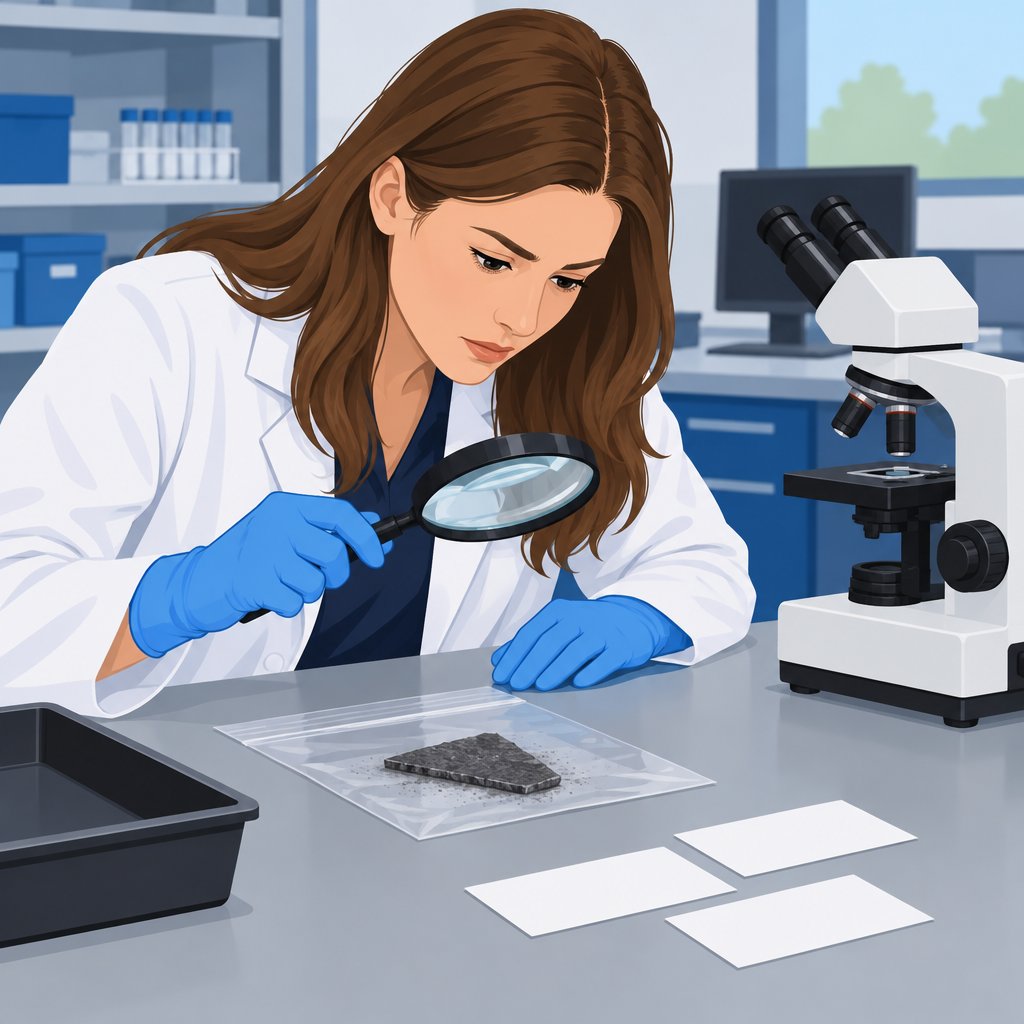
Expertise and Career Development
A focused specialization allows forensic scientists to develop advanced expertise.
Specialized knowledge can improve evidence analysis and strengthen investigative contributions.
Forensic scientists can pursue growth in law enforcement, government, research, and private laboratories.
Opportunities in Specialized Forensic Fields
Specialists may work on complex cases within their chosen forensic discipline.
They can also contribute to research that advances forensic science.
These opportunities support professional development and career progression.
Collaboration Across Forensic Disciplines
Specialized forensic scientists often collaborate with professionals from other fields.
These teams may include law enforcement officers, legal professionals, and forensic psychologists.
Collaboration can improve crime-solving efforts and produce more comprehensive forensic analyses.
Professional Contributions Through Forensic Specialization
Forensic specialization helps scientists apply their strongest skills to criminal investigations.
Their scientific contributions can support justice for victims and closure for families.
Those who use science to address crimes can build rewarding and fulfilling careers.
Find Out More: How Bomb Squad Technicians Ensure Public Safety
Ethical Considerations and Challenges in Forensic Science
Forensic scientists help solve crimes and support the pursuit of justice.
However, their work involves significant ethical responsibilities and professional challenges.
Therefore, they must protect the integrity of the criminal justice system.
Ethical Principles in Forensic Science
Forensic scientists should apply ethical principles throughout their professional work.
These principles guide evidence handling, analysis, interpretation, and communication.
They also help protect victims, accused individuals, and the justice process.
- Forensic scientists must demonstrate integrity through honest and transparent work.
- They must remain impartial and avoid bias when analyzing or interpreting evidence.
- They must protect sensitive information and respect the privacy of everyone involved.
- They must maintain professionalism and follow high standards of ethical conduct.
By following these principles, forensic scientists can produce reliable and credible work.
Consequently, their conduct can support justice while protecting individual rights.
Challenges Faced by Forensic Scientists
Forensic scientists encounter demanding situations that require care, discipline, and emotional resilience.
They must manage sensitive information while preventing unauthorized access.
They also examine human remains with respect and appropriate sensitivity.
- Forensic scientists must protect confidential data from unauthorized access.
- They must handle human remains respectfully during examination and analysis.
- They must preserve objectivity despite personal beliefs or external pressures.
Maintaining objectivity remains essential when scientists evaluate evidence.
These demands can affect their mental and emotional well-being.
Transform Your Career Today
Unlock a personalized career strategy that drives real results. Get tailored advice and a roadmap designed just for you.
Start NowAccordingly, they need adequate support and resources to manage their responsibilities.
Importance of Upholding Ethical Standards
Ethical standards help ensure that forensic work supports justice fairly.
They also protect the rights of everyone involved in a case.
Strict guidelines strengthen the credibility and reliability of forensic findings.
Forensic scientists should regularly reflect on their responsibilities and seek guidance when necessary.
Such guidance can help them address situations that threaten integrity or objectivity.
Through careful ethical practice, they can contribute meaningfully to justice and truth.
Technological Advances in Forensic Science
Technology and innovation advance forensic science capabilities.
They give investigators new tools for analyzing evidence.
For example, DNA analysis has changed how investigators solve crimes.
DNA evidence can help scientists identify suspects and connect them to crime scenes.
Additionally, computer simulations can recreate scenes and examine ballistic trajectories.
Digital forensics software can analyze data from computers and smartphones.
Applications of Forensic Technology
DNA databases let forensic scientists compare crime-scene profiles with known profiles.
This comparison can help authorities identify perpetrators and exonerate innocent people.
Meanwhile, computer simulations help investigators reconstruct scenes and test possible scenarios.
They can clarify how a crime may have occurred.
Digital forensics software helps investigators recover, analyze, and preserve electronic evidence.
It can reveal deleted files, browsing history, and communication records.
These tools help scientists organize evidence in complex investigations.
Innovation and Investigative Accuracy
Innovation improves efficiency and accuracy in forensic investigations.
It streamlines evidence collection, analysis, and interpretation.
As a result, investigators can receive results more quickly and reliably.
New techniques also allow scientists to revisit evidence from cold cases.
Those methods have helped resolve cases that once resisted resolution.
They can bring closure to victims and their families.
Furthermore, innovation helps scientists respond as criminals change their methods.
The Impact of Forensic Science Careers
Forensic scientists help solve crimes by using scientific expertise to analyze evidence.
Moreover, their work supports justice and provides answers and closure for victims and their families.
Therefore, aspiring forensic scientists can pursue this impactful career and use their skills to make a difference.
Additional Resources
Google search results for Forensic Scientist: Solving Crimes with Science Protective Services
Bing search results for Forensic Scientist: Solving Crimes with Science Protective Services


