




Introduction
A camera operator plays a vital role in visual storytelling.
They capture each scene’s essence through carefully controlled camera work.
This role requires both technical skill and artistic vision.
A capable camera operator transforms a script into a compelling visual narrative.
Brief Overview of the Role
Camera operators manage cameras during film and television productions.
They work closely with directors to fulfill each project’s creative vision.
Additionally, operators must understand camera equipment, lighting, and angles.
They often adjust focus, framing, and composition for every shot.
Operators also collaborate with sound and lighting departments.
This collaboration helps each scene look and sound effective.
Furthermore, they may operate handheld cameras or use stationary mounts.
The specific shot or project determines which setup they choose.
Importance of Camera Operators in the Entertainment Industry
Camera operators hold significant influence in the entertainment industry.
They help convey emotions and engage audiences through visual media.
Consequently, their work directly affects how stories resonate with viewers.
A well-executed shot can strengthen a film’s narrative and emotional depth.
Moreover, operators contribute to each project’s overall aesthetic.
Decisions about camera movement and angles often establish a film’s tone.
Effective operators combine a keen eye for detail with creativity.
They interpret scripts and capture dynamic visuals that maintain viewer engagement.
Without skilled camera operators, films and television shows would lack expected polish and professionalism.
Therefore, these professionals remain essential to shaping the final product.
As technology evolves, camera operators adapt to new equipment and methods.
This adaptability helps them remain relevant in a competitive industry.
Camera operators ultimately shape the entertainment landscape through their skills and artistry.
Their work brings stories to life and captivates audiences around the world.
High School Diploma or GED
A high school diploma or GED usually provides the minimum educational foundation for camera operators.
Students can prepare for further training by studying technology, art, and communication.
These subjects build practical knowledge for visual production and teamwork.
- Technology Courses: Computer technology courses explain software that interfaces with cameras and editing systems.
- Art and Photography Classes: Art and photography classes develop composition, lighting, color, and visual storytelling skills.
- Communication Skills: Strong written and verbal communication supports coordination with directors and crew members.
Postsecondary Education in Film and Broadcasting
Although a high school diploma establishes a baseline, many employers prefer candidates with advanced education.
A bachelor’s degree in film, broadcasting, or a related field can expand professional opportunities.
Additionally, focused certifications can demonstrate specialized production knowledge.
- Film Studies: Film studies programs examine film history, theory, directing, producing, and editing.
- Broadcasting: Broadcasting programs teach television production, anchoring, reporting, studio cameras, and broadcast technology.
- Certifications: Film and video production certifications can strengthen a resume and highlight specialized skills.
Hands-On Training and Production Experience
Hands-on experience helps aspiring camera operators apply academic knowledge in practical settings.
Real-world training also introduces the daily responsibilities of film and television production.
Meanwhile, repeated practice helps operators build confidence and develop a professional portfolio.
- Internships: Internships provide experience in professional production environments and reveal how crews operate.
- Workshops: Workshops develop camera techniques, lighting abilities, and sound-recording skills.
- Volunteer Projects: Local theaters and film festivals can provide volunteer opportunities that strengthen practical abilities.
- Peer Collaboration: Peer projects let students practice teamwork in environments that resemble professional productions.
Technical and Professional Skill Development
Camera operators need both technical abilities and effective professional habits.
Technical knowledge supports equipment use, while soft skills improve performance during production.
Therefore, aspiring operators should develop a balanced skill set through study and practice.
- Technical Skills: Operators must understand camera types, lenses, lighting, stabilization tools, and editing software.
- Attention to Detail: Careful observation helps operators manage lighting changes and framing adjustments.
- Crisis Management: Adaptability helps operators solve unexpected problems quickly during production.
Networking and Industry Connections
Networking can improve job prospects within the film industry.
Connections with peers and experienced professionals may reveal valuable production opportunities.
Transform Your Career Today
Unlock a personalized career strategy that drives real results. Get tailored advice and a roadmap designed just for you.
Start NowFurthermore, an active professional presence can help operators showcase their skills and experience.
- Industry Events: Film festivals and conventions provide opportunities to meet industry leaders and attend professional discussions.
- Social Media: Platforms such as LinkedIn help operators connect with professionals and present their experience.
- Local Film Groups: Local film organizations encourage collaboration, networking, and participation in workshops.
Continuing Education for Camera Operators
Film technology and production practices continue to evolve.
Camera operators can remain current by pursuing additional education and monitoring industry developments.
Regular learning also helps operators maintain relevant technical abilities.
- Advanced Workshops: Advanced workshops introduce updated technology and production techniques.
- Online Courses: Online courses cover specialized subjects such as drone filming and 4K video production.
- Industry Publications: Industry magazines and online blogs provide information about changes and innovations.
Building a Camera Operating Career
A camera operating career requires dedication, education, and practical experience.
Combining formal learning with hands-on training can prepare aspiring operators for production work.
Networking, skill development, and continuing education can further support long-term career growth.
Camera operators handle camera equipment during film, television, and media productions.
They capture footage that supports each project’s visual goals.
Their responsibilities combine technical control, creative judgment, and production teamwork.
Camera Equipment Operation
Camera operators prepare and control equipment before and during filming.
They adjust settings continuously to maintain clear, properly framed footage.
Additionally, they use different camera systems for varied production environments.
- Set up and test camera equipment before shooting.
- Use digital, DSLR, and cinema cameras.
- Adjust focus, zoom, and exposure during shoots.
- Monitor live feeds for composition and image quality.
- Record footage using the required format and resolution.
Camera operators must stay current with camera technology and related software.
Furthermore, knowledge of multiple camera systems helps them adapt quickly on set.
This technical flexibility supports consistent results across different filming conditions.
Collaboration with Directors and Producers
Camera operators collaborate with directors and producers throughout the production process.
They study the project’s creative direction and translate it into visual choices.
Clear communication helps them address technical concerns and respond to changing instructions.
- Attend pre-production meetings to understand the project’s objectives.
- Receive instructions about shots and camera movements during filming.
- Review shot lists and storyboards before each scene.
- Suggest framing and composition based on technical experience.
- Adapt to last-minute requests from the director.
They also discuss visual requirements before cameras roll.
During filming, they adjust their approach when production needs change.
As a result, their work helps connect creative direction with practical execution.
Lighting, Sound, and Camera Angles
Camera operators may help shape lighting, sound, and camera placement for each scene.
They arrange equipment to support the desired atmosphere and visual consistency.
They also monitor audio conditions and communicate problems to the sound engineer.
- Arrange lighting equipment for effective illumination.
- Set key, fill, and backlighting for each scene.
- Adjust lighting when the scene’s mood changes.
- Coordinate with lighting technicians for consistent results.
- Position microphones and sound recorders according to script requirements.
- Monitor audio levels during recording.
- Report sound concerns to the sound engineer immediately.
- Position cameras at suitable heights and distances.
- Use wide, medium, and close-up shots.
- Perform pans, tilts, and tracking shots when needed.
These choices influence how viewers understand action, setting, and mood.
Moreover, coordinated lighting and sound strengthen the quality of recorded scenes.
Careful camera movement also keeps visual storytelling clear and engaging.
Equipment Maintenance and Quality Control
Camera operators maintain their equipment before, during, and after production.
Regular checks help them identify problems before those issues interrupt filming.
Safe storage also protects equipment between production activities.
- Clean lenses and camera bodies before and after shoots.
- Test equipment regularly for proper functionality.
- Identify and resolve technical issues promptly.
- Organize and store equipment safely after use.
These practices reduce the risk of equipment failures during scheduled production.
They also help camera operators maintain dependable image quality throughout a shoot.
Consequently, careful maintenance supports smoother workflows and production schedules.
Continuing Education and Professional Development
Camera operators pursue ongoing learning as production technology continues to change.
They develop their skills through training, research, and professional relationships.
This commitment helps them remain effective across evolving media environments.
- Attend workshops and training programs to improve technical skills.
- Complete online courses about new camera technologies.
- Follow industry trends through reading and networking.
- Seek mentorship from experienced professionals.
Mentors can provide practical insights that strengthen technical judgment and creative development.
Meanwhile, workshops introduce techniques that operators can apply during future productions.
Regular learning therefore supports continued growth within camera operation.
Transform Your Career Today
Unlock a personalized career strategy that drives real results. Get tailored advice and a roadmap designed just for you.
Start Now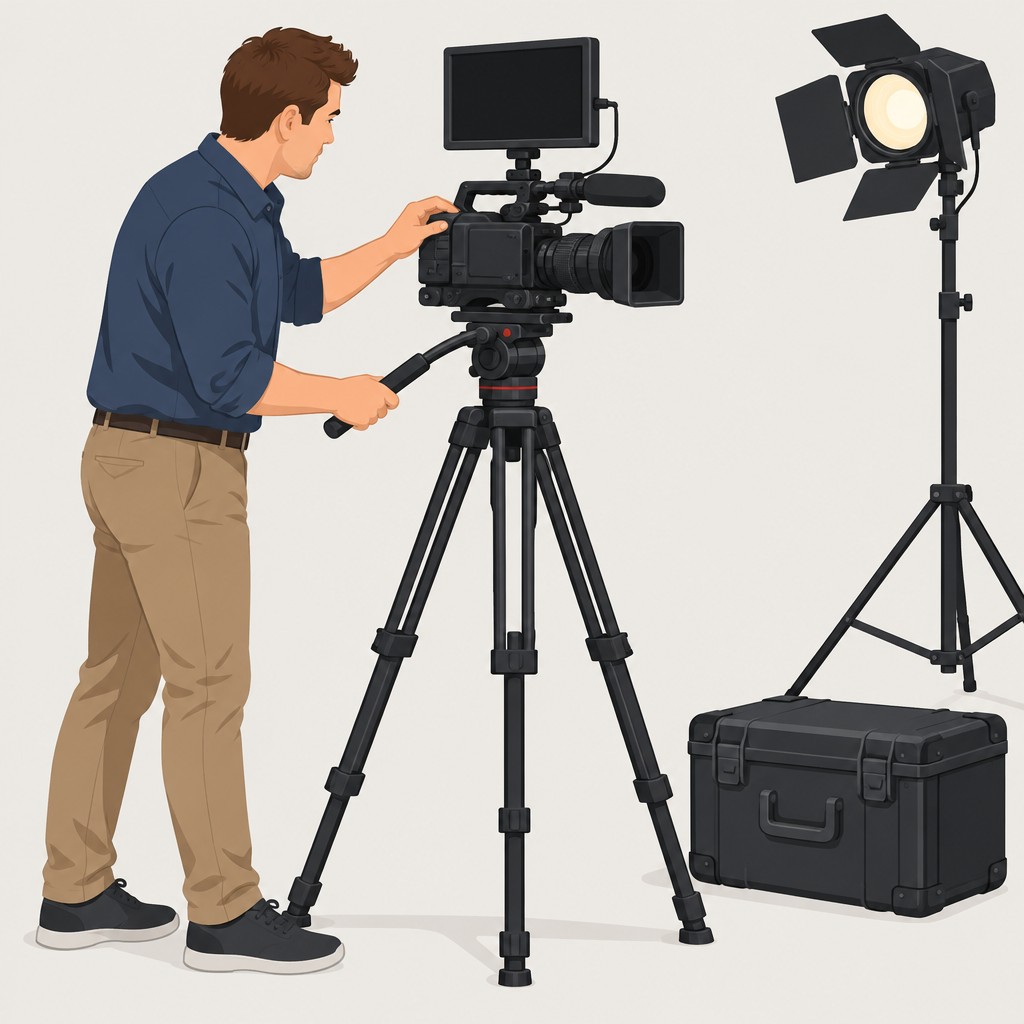
Camera Operators’ Contribution to Production
Camera operators bring technical expertise and artistic judgment to every production.
They coordinate equipment, visual choices, and production requirements during filming.
Their work helps communicate each project’s intended message through carefully controlled images.
By combining preparation with adaptability, they support stronger storytelling experiences.
Delve into the Subject: The Power of Visual Storytelling in Web Design
Camera operators capture footage that helps audiences understand each story.
They combine technical control with creative judgment during film and television productions.
Therefore, aspiring operators need practical skills, careful observation, and dependable teamwork.
Technical Knowledge of Cameras and Production Equipment
Strong technical knowledge helps camera operators create footage that matches each project’s visual goals.
Operators must understand camera systems, settings, lenses, lighting, and support equipment.
Additionally, they should continue learning as equipment and production practices change.
- Operators should understand digital, film, and DSLR camera types.
- They must know how aperture, shutter speed, and ISO sensitivity affect images.
- They should use lenses, filters, and stabilization equipment confidently.
- Lighting knowledge helps operators control the appearance of every image.
- Operators should handle tripods, dollies, cranes, and other camera supports.
- They benefit from understanding editing and color correction processes.
Technical ability directly influences the quality and consistency of production footage.
Moreover, workshops and regular experimentation can strengthen an operator’s competence.
Continuous practice also helps operators adapt to new gear and techniques.
Attention to Detail and Direction
Attention to detail helps camera operators produce accurate and consistent results.
They must interpret the director’s vision while managing technical details throughout filming.
Careful observation also reduces mistakes and supports stronger production quality.
- Operators should frame each shot according to the director’s vision.
- They need to assess backgrounds and remove distracting elements from frames.
- They must maintain consistent angles and lighting to support continuity.
- Operators should monitor equipment throughout each shoot.
- They need to check and adjust focus for every shot.
- They should listen carefully and apply feedback when necessary.
Directors rely on operators to translate creative instructions into effective camera work.
Meanwhile, adaptable operators can respond to changes without losing concentration.
Accurate direction-following strengthens collaboration and protects the intended visual approach.
Communication and Teamwork on Set
Camera operators work closely with directors and other production departments.
Clear communication helps the crew maintain an efficient workflow during filming.
Strong teamwork also builds trust and supports better decisions under pressure.
- Operators should explain ideas and concerns clearly to the production team.
- They should join pre-production discussions and clarify their responsibilities.
- They need to maintain open communication during live shoots.
- They should use technical terms accurately during production conversations.
- They must make clear requests when coordinating with sound and lighting departments.
- They can support colleagues by offering constructive feedback when appropriate.
Effective operators understand how each crew member contributes to the larger production.
They also maintain professionalism and a positive attitude during demanding shoots.
As a result, respectful communication improves cooperation across the entire crew.
Creative and Practical Qualifications
Technical skills alone do not fully prepare someone for camera operation.
Operators also need creativity, physical endurance, and practical problem-solving abilities.
These qualities help them manage changing demands across different filming environments.
- Creativity helps operators develop effective visual storytelling and shot composition.
- Script analysis gives operators a deeper understanding of each scene.
- Deadline management helps operators perform effectively in fast-paced environments.
- Problem-solving skills help them address unexpected production challenges.
- Physical endurance supports long hours and repeated equipment handling.
- Willingness to travel helps operators adjust to different filming locations.
A successful camera operator balances creative thinking with precise technical execution.
Furthermore, dedication and continuous growth can improve performance across varied productions.
By developing these abilities, aspiring operators can contribute valuable work to production teams.
You Might Also Like: Social Media Management for Small Businesses
The job outlook for camera operators continues to evolve as demand for visual content grows.
As technology advances, new opportunities continue emerging across several industries.
Therefore, applicants should understand current employment trends before entering this competitive field.
Job Outlook for Camera Operators
Employment prospects for camera operators show meaningful growth potential.
According to the Bureau of Labor Statistics, employment should grow during the coming years.
Several trends support this outlook.
- Increasing digital content: Businesses seek high-quality videos for social media and other digital platforms.
- Diverse applications: Camera operators support advertisements, documentaries, and corporate campaigns.
- Technological advancements: New camera systems create opportunities for operators with current technical skills.
- Live-streaming demand: Events and performances increasingly require professional video production.
Furthermore, platforms such as YouTube and TikTok let individuals display their camera operation skills.
Transform Your Career Today
Unlock a personalized career strategy that drives real results. Get tailored advice and a roadmap designed just for you.
Start NowThis visibility encourages more professionals to enter the field.
Traditional media outlets also seek operators who can help them remain relevant in digital markets.
Growth Opportunities in Camera Operation
Camera operators can pursue several advancement opportunities as they gain experience.
Moreover, industry expansion allows professionals to develop specialized career paths.
Continuous skill development can help operators respond to changing production demands.
- Specialization: Operators can focus on wildlife, sports, or documentary filmmaking.
- Technical roles: Some operators advance into positions such as director of photography.
- Production management: Experienced operators may become production managers or coordinators.
- Teaching opportunities: Operators can teach camera operation through institutions or workshops.
- Editorial roles: Many operators move into editing and help shape completed projects.
These varied roles create multiple paths for professionals seeking career advancement.
Additionally, networking can help operators discover potential openings within the industry.
A strong portfolio can support advancement across different production environments.
Average Salary Range for Camera Operators
Camera operator salaries vary according to experience, location, and employment type.
Recent industry data places the average annual range between $35,000 and $80,000.
The reported average annual salary is approximately $60,000.
- Experience level: Entry-level operators generally earn less than seasoned professionals.
- Industry: Television and film positions often pay more than corporate roles.
- Location: Metropolitan media markets often offer higher salaries.
- Employment type: Freelancers may earn more per project, although their income can fluctuate.
However, specialized skills and a strong portfolio can support higher rates.
Freelancers may charge hourly rates, which creates varied earnings across assignments.
Consequently, individual income depends on project availability and professional experience.
Freelance Camera Operation and Project Variety
Freelance camera operation offers flexibility and access to diverse assignments.
Many operators choose this path because they can select projects matching their interests.
Freelancers can also work on multiple assignments over time.
- Flexible schedules: Operators can choose projects that match their availability and interests.
- Diverse experience: Different assignments strengthen skills and encourage creative growth.
- Portfolio development: Freelancers can present varied work to potential clients.
- Networking opportunities: Client relationships can lead to future assignments.
Nevertheless, freelancers must regularly seek new clients.
They also need to manage finances carefully because project income may vary.
Furthermore, a strong personal brand can help attract additional opportunities.
Building a Sustainable Camera Operation Career
Camera operation remains appealing because organizations need visual content across many industries.
Professionals can improve their prospects by developing technical skills and maintaining strong portfolios.
Ultimately, dedication and adaptability can help operators navigate this competitive field.
Explore Further: How to Edit Videos Faster Without Sacrificing Quality
Work Environment
Camera operators work in dynamic and challenging environments across film and television productions.
Their schedules often include long hours, fast-paced situations, and travel opportunities.
These conditions require technical skill, flexibility, and reliable teamwork.
Understanding these demands helps aspiring camera operators prepare for production careers.
Long Hours on Set or Location
Camera operators frequently work long hours to meet production deadlines.
Many film and television projects follow tight schedules.
Consequently, operators may begin before dawn and finish well after sunset.
Some production days last twelve to fourteen hours.
- Daily call times may require operators to arrive before sunrise.
- Crucial scenes can extend shooting days on location.
- Larger productions may schedule multiple shifts across several weeks or months.
Despite these demands, many camera operators enjoy capturing compelling visuals.
Their enthusiasm helps them manage demanding production schedules.
Fast-Paced Production Conditions
Camera operators work in fast-paced environments that require immediate responses.
They must adjust quickly when shoots present unexpected challenges.
Furthermore, precise timing helps operators execute effective camera movements.
Directors and crew members depend on operators to maintain focus during production.
- Operators execute camera movements with precision and timing.
- They collaborate with directors to achieve desired shots.
- They manage equipment that varies across productions.
- They remain focused during long takes and repeated scenes.
- They accept feedback and make rapid adjustments when necessary.
Strong teamwork supports performance in this demanding environment.
Clear communication and a positive attitude help diverse crews complete their work.
Transform Your Career Today
Unlock a personalized career strategy that drives real results. Get tailored advice and a roadmap designed just for you.
Start NowTravel for On-Location Shoots
Many productions require camera operators to work outside traditional studios.
As a result, operators may explore new places and cultures through their assignments.
Production locations can include remote regions, busy cities, and picturesque landscapes.
- Operators may shoot documentaries in remote regions.
- They may film commercials in bustling cities.
- They may capture feature film scenes in picturesque landscapes.
- Global productions may require international travel.
Traveling for work can provide rewarding professional experiences.
However, constant travel can affect personal routines and commitments.
Therefore, operators must balance production demands with personal responsibilities.
Adaptability During Production
Adaptability helps camera operators manage unpredictable production circumstances.
Weather changes and location challenges can alter daily plans.
Successful operators remain calm, flexible, and resourceful during these changes.
- Operators adjust lighting and framing when weather conditions change.
- They change camera angles or positions when unexpected elements appear.
- They respond to last-minute script changes and director requests.
Adaptability also supports creative problem-solving during filming.
Flexible operators can explore innovative techniques when circumstances shift.
Teamwork and Communication on Set
Effective communication helps camera operators coordinate with every production department.
Clear instructions ensure that crew members understand each shooting requirement.
Before filming, operators discuss shot lists and scene breakdowns with collaborators.
- Operators discuss shot lists before filming begins.
- They review scene breakdowns with relevant crew members.
- They collaborate with lighting and sound technicians.
- They receive real-time direction during takes.
Strong teamwork creates a smoother production process.
Moreover, respectful relationships can foster a positive atmosphere during long workdays.
This cooperation helps crews remain motivated and focused.
Challenges and Well-Being at Work
Camera operators face demanding conditions alongside the excitement of production work.
They must manage stress while delivering quality footage under time constraints.
Last-minute changes can increase pressure during already demanding schedules.
- Operators handle demanding schedules and unexpected changes.
- They troubleshoot technical difficulties with production equipment.
- They carry and set up physically demanding gear.
Proper rest and clear communication can help operators maintain concentration.
Operators should also protect their physical and mental well-being.
These strategies support consistent performance throughout challenging productions.
Professional Resilience on Set
Camera operators experience varied conditions that shape their daily professional lives.
Long hours, rapid decisions, travel, and teamwork define much of their work.
By preparing for these demands, aspiring operators can approach production work with flexibility and commitment.
Gain More Insights: Crisis Communication: Dealing with Cybersecurity Threats
Being a camera operator offers a demanding yet rewarding career.
The role requires creativity, technical expertise, and physical stamina.
Many aspiring professionals may not fully understand the industry’s challenges.
Challenges Camera Operators Face
Camera operators encounter several challenges that affect their daily work.
These challenges can influence their personal lives, health, and professional performance.
Understanding these conditions gives aspiring camera operators a realistic view of the profession.
- Long Hours: Camera operators often work irregular schedules that begin early and end late.
- Physical Demands: Operators carry heavy equipment, build complex rigs, and stand for extended periods.
- Unpredictable Work Environments: Operators adapt to indoor, outdoor, remote, and changing locations.
- Tight Deadlines: Operators must work efficiently while maintaining the required level of quality.
- Technical Challenges: Operators continually learn new technology and troubleshoot equipment during production.
- Creative Differences: Operators balance directors’ visions while maintaining professionalism during collaboration.
- Travel Requirements: Frequent travel can disrupt personal commitments and create fatigue.
Rewards of Camera Operation
Despite these challenges, camera operation provides many meaningful rewards.
Many professionals find the work fulfilling, creative, and inspiring.
These benefits can make demanding production schedules worthwhile.
- Compelling Footage: Operators capture cinematic images that communicate emotions and support powerful narratives.
- Creative Projects: Operators collaborate on films, commercials, documentaries, and other productions.
- Job Satisfaction: Watching a finished project can create pride and a strong sense of accomplishment.
- Professional Relationships: Operators build lasting connections with directors, crew members, and talent.
- Continuous Learning: Evolving technology encourages operators to develop new techniques and skills.
- Creative Freedom: Operators explore angles, lighting, and composition to develop their artistic styles.
- Community: Industry connections create a supportive professional network and a sense of belonging.
Strategies for Balancing Work Demands
Camera operators can develop practical strategies to manage challenges and preserve job satisfaction.
These strategies support physical health, productivity, creativity, and professional relationships.
With consistent preparation, operators can respond more effectively to demanding production conditions.
- Time Management: Careful planning and scheduling can reduce unnecessary delays and stress.
- Physical Fitness: Regular exercise builds the strength and endurance needed for equipment handling.
- Open Communication: Clear discussions with directors and crew members can resolve creative differences.
- Flexibility: Adaptability helps operators manage unpredictable conditions and solve problems effectively.
- Support Networks: Peers and mentors can provide encouragement, guidance, and practical advice.
- Passion Projects: Personal projects can refresh creativity and strengthen technical abilities.
- Reflection: Reviewing achievements helps operators recognize growth and maintain motivation.
Camera operation combines technical precision with artistic expression.
Transform Your Career Today
Unlock a personalized career strategy that drives real results. Get tailored advice and a roadmap designed just for you.
Start NowAlthough the work demands long hours and physical effort, it offers meaningful creative experiences.
Seeing personal work contribute to a finished production can make the effort worthwhile.
Skills and Career Pathways for Camera Operators
The camera operator career combines visual storytelling, technical control, and creative decision-making.
Operators collaborate with directors and producers to turn creative visions into effective visual content.
They control cameras and lighting to create desired visual effects.
Meanwhile, careful framing and focus help operators maintain consistent image quality.
Knowledge of equipment and software further strengthens their production abilities.
People who enjoy visual storytelling may find this career professionally rewarding.
The work supports artistic expression and encourages technical innovation.
However, operators must manage demanding responsibilities while maintaining creative focus.
They may contribute to films, television projects, or live events.
Consequently, varied assignments can keep the profession engaging and dynamic.
Future operators can begin by taking photography or film courses.
These courses establish foundational knowledge for visual production.
Additionally, online tutorials explain essential techniques and equipment.
Local film clubs can offer networking opportunities and practical experience.
Internships with production companies can provide valuable hands-on learning.
Passion for visual storytelling can motivate steady growth in this field.
At the same time, technical knowledge can help aspiring operators stand out.
Continued learning supports stronger creative and production decisions.
Therefore, people who combine enthusiasm with practical preparation may pursue a fulfilling career.
Additional Resources
Google search results for Camera Operator Job Description and Duties Media and Communication
Bing search results for Camera Operator Job Description and Duties Media and Communication


