




Introduction
Building a portfolio as an aspiring art director involves careful thought and strategy.
Your portfolio serves as your visual resume.
It showcases your creative abilities and professional experience.
A strong portfolio not only highlights your skills but also reflects your personal style and vision.
The journey to becoming a successful art director can be daunting.
You often face many challenges along the way.
Many talented individuals seek similar positions, which creates stiff competition.
During portfolio reviews, assessors scrutinize your work closely.
Therefore, it is vital to present your best work.
As you prepare, keep in mind some essential tips to make the process smoother and more effective.
Focus on Your Strengths
Identify and emphasize your unique strengths within your portfolio.
Reflect on your best work and what differentiates you from others.
Ensure that your portfolio highlights your skills in design, typography, and illustration.
Curate pieces that show your talent while demonstrating your versatility and adaptability.
Engaging Presentation
The layout and organization of your portfolio matter greatly.
Use a clean, professional format that draws attention to your work.
Balance your visuals with engaging narratives explaining your decisions and processes.
Make each piece easily accessible, ensuring a smooth viewing experience.
Remember, first impressions count!
Seek Constructive Feedback
Before the actual review, solicit feedback from peers or mentors.
They can provide valuable insights into how your work comes across.
Use their critiques to refine your portfolio further.
Address any areas that may need improvement.
Be Prepared to Discuss Your Work
During the review, be ready to discuss your work in detail.
Art directors often appreciate when candidates articulate their thought processes and inspirations.
Conveying your passion and understanding of your work can leave a lasting impression.
By following these tips, you can create a compelling portfolio that stands out during reviews.
This will help you gain ground in the competitive field of art direction.
Understanding the Role of an Art Director
An art director plays a critical role in the creative industry.
Their responsibilities largely shape the visual identity of a project.
These professionals oversee visual aspects across various media.
Media includes film, advertising, and digital design.
Let’s delve deeper into what makes this role unique and vital.
Defining the Art Director’s Role
The art director acts as the visual leader within a project team.
They direct creative vision and establish the overall style and tone.
This role involves collaboration with writers, designers, and other creatives.
Art directors must possess a keen sense of aesthetics and design principles.
Key Responsibilities of an Art Director
The responsibilities of an art director are vast and varied.
They include the following key duties.
- Concept Development: Art directors collaborate on initial ideas and concepts.
- Visual Direction: They establish the overall look and feel of the project.
- Team Collaboration: They work closely with graphic designers, photographers, and illustrators.
- Feedback and Critique: Art directors provide constructive feedback to team members.
- Budget Management: They often oversee budgets for visual elements and resources.
- Project Oversight: Art directors ensure the project stays on visual track throughout production.
- Brand Consistency: They maintain brand standards and visual guidelines across projects.
The Importance of a Strong Portfolio
A robust portfolio serves as a visual resume for aspiring art directors.
Transform Your Career Today
Unlock a personalized career strategy that drives real results. Get tailored advice and a roadmap designed just for you.
Start NowIt showcases your skills, creativity, and expertise in art direction.
A strong portfolio demonstrates your understanding of composition, color theory, and narrative.
Key Elements of a Compelling Portfolio
To make an impact, your portfolio should include the following elements.
- Diverse Work Samples: Include a range of projects demonstrating different styles.
- Case Studies: Highlight how you contributed to specific projects, detailing your role.
- Visual Consistency: Ensure a cohesive look across all portfolio pieces.
- Process Documentation: Show your creative process, including sketches and drafts.
- Final Outcomes: Present the completed projects to highlight your success.
Showcasing Skills and Expertise
Your portfolio needs to showcase not just your work but also your thought process.
Potential employers want to see your strategic thinking and problem-solving skills.
Display how you approach a project from conception to completion.
Ways to Structure Your Portfolio
Consider these strategies when structuring your portfolio.
- Introduction Section: Briefly introduce yourself and your design philosophy.
- Project Categories: Organize your work into categories that reflect your expertise.
- Detailed Project Descriptions: Provide context and your contribution to each project.
- Avoid Overcrowding: Limit the number of projects to your best work — quality over quantity.
- Regular Updates: Refresh your portfolio regularly with new work.
Keeping Up with Trends and Learning
The landscape of art direction is constantly evolving.
Art directors must stay current with trends and technology.
Engaging in continuous learning helps maintain a competitive edge.
Attend workshops, seminars, and industry conferences to enhance your skills.
Recommended Learning Resources
Explore these resources to further your understanding and skills.
- Online Courses: Websites like Coursera and LinkedIn Learning offer valuable courses.
- Books: Read design and art direction books to deepen your knowledge.
- Industry Magazines: Subscribe to design magazines for the latest trends.
- Networking: Join design forums and groups to exchange ideas with peers.
Networking and Professional Development Strategies
Networking plays an essential role in advancing your career as an art director.
Building relationships with industry professionals can lead to job opportunities.
Attend design events, workshops, and art shows to meet potential contacts.
Strategies for Effective Networking
Consider implementing these networking strategies.
- Engage on Social Media: Use platforms like LinkedIn and Instagram to showcase your work.
- Participate in Local Events: Attend local art events and workshops to connect with peers.
- Follow Up: After meeting someone, follow up with a personal message to keep the conversation going.
- Join Professional Organizations: Become a member of organizations related to your field.
Tailoring your portfolio for specific job opportunities is crucial for aspiring art directors.
A personalized portfolio demonstrates your commitment and understanding of the potential employer.
It also showcases your ability to adapt your style to fit their needs.
Here are some points to consider when customizing your portfolio.
Research the Company
Start by thoroughly researching the company you are applying to.
Understand their mission, vision, and values.
Follow their social media channels and analyze their marketing materials.
This will give you insights into their aesthetic and branding approach.
- Identify their style: Examine their color schemes, typography, and layouts. Be mindful of the visual tone they use.
- Understand their audience: Consider who they are targeting and how your work can resonate with that demographic.
- Review their portfolio: Look at their previous projects and determine what worked well for them. Analyze the themes and techniques they favored.
Align Your Portfolio with Their Aesthetic
Once you’ve completed your research, align your portfolio with the company’s aesthetic.
Choose pieces that best represent your skills and match their style.
Here are some tips for this alignment process:
- Select relevant work: Pick pieces that showcase your strengths in areas related to the company’s needs.
- Create mock projects: If your previous work does not align, consider creating a few mock projects that mimic their style.
- Use similar color palettes: Ensure the colors in your portfolio resonate with their current designs.
Showcase a Variety of Work Samples
Demonstrating versatility is essential in an art director’s portfolio.
Employers want to see that you can adapt to different styles and concepts.
Here are some ways to showcase your work variety:
- Include different mediums: Display work across various platforms, such as digital, print, and environmental design.
- Highlight different projects: Use examples from branding, advertising, or editorial projects to show diversity.
- Showcase collaboration efforts: Highlight projects where teamwork was crucial, indicating your ability to work with others.
Craft a Strong Narrative
A well-tailored portfolio should tell a cohesive story.
When presenting your pieces, use contextualization to guide your audience.
Explain the challenge, your approach, and the final outcome for each project.
This narrative helps potential employers understand your thought process.
- Incorporate project descriptions: Use concise descriptions to provide context for each piece. Highlight your role and contributions in the project.
- Focus on the process: Discuss your creative process, including the brainstorming sessions and revisions.
- Show results: Whenever possible, include metrics or outcomes that demonstrate your work’s impact.
Maintain Professional Standards
Your portfolio must reflect a professional standard.
An organized and visually appealing portfolio leaves a lasting impression.
Here are some tips to maintain high standards:
- Use high-quality images: Ensure all your visuals are crisp and clear. Poor-quality images can detract from your work.
- Keep the layout clean: Use ample white space to let each piece breathe. A cluttered portfolio can be overwhelming.
- Consistent branding: Use consistent fonts and colors throughout your portfolio to create a unified look.
Solicit Feedback
Before submitting your tailored portfolio, seek feedback on its content and design.
Getting outside perspectives can substantially enhance your presentation.
Look for feedback from fellow creatives or mentors.
Transform Your Career Today
Unlock a personalized career strategy that drives real results. Get tailored advice and a roadmap designed just for you.
Start NowThey can provide valuable insights on what works and what doesn’t.
- Ask specific questions: Inquire about clarity, visual appeal, and relevance to the job.
- Be open to criticism: Use feedback constructively to improve your portfolio.
- Refine based on insights: Make adjustments based on the feedback you receive.
Prepare for Presentation
Lastly, think about how you will present your portfolio.
An engaging presentation can make a strong impression on potential employers.
Whether it’s a digital portfolio or a print version, preparation is key.
- Practice your pitch: Rehearse your narrative to convey your passion and thought process effectively.
- Be concise: Aim to present your portfolio in a way that captures their attention within 20-30 minutes.
- Anticipate questions: Prepare to answer insightful inquiries regarding your creative decisions.
Tailoring your portfolio to specific job opportunities is a vital step in your journey as an aspiring art director.
By researching companies, aligning your work with their aesthetic, and showcasing your versatility, you can create a compelling portfolio.
Remember to maintain high professional standards, glean feedback, and prepare for the presentation.
This thorough approach will help distinguish you from other candidates, landing you the job you desire.
Learn More: How to Stay Updated with SEO Algorithm Changes
Creating a portfolio can be a daunting task.
Especially if you aspire to become an art director.
Your portfolio serves as your first impression.
Making it organized, visually appealing, and cohesive is vital.
Here are some key strategies you can employ to elevate your portfolio.
Organizing Your Portfolio Effectively
Clarity is crucial in your portfolio.
Potential employers or clients should feel engaged rather than overwhelmed.
Here are some actionable strategies to organize your portfolio effectively:
- Choose a Clean Layout: Utilize a minimalist design that emphasizes your work.
- Group Similar Works: Sort your pieces by type.
- Utilize Consistent Formats: Ensure that images are of similar size and orientation.
- Include Clear Titles and Descriptions: Each piece should have a title and a concise description.
By implementing these strategies, your portfolio will become more approachable and easier to understand.
Remember, clarity promotes engagement and interest.
The Importance of a Cohesive Narrative
Your portfolio should tell a story about your unique creative journey.
A cohesive narrative helps potential employers connect with your work on a personal level.
Here’s how you can create that narrative:
- Establish a Theme: Decide on a central theme that reflects your artistic voice.
- Show Progressive Development: Display work that shows your growth.
- Reflect on Your Inspirations: Share influences and inspirations behind your work.
- Utilize Transitions: Create smooth transitions between pieces.
Connecting your work through a narrative framework creates context.
Context helps potential employers see not just what you create but why you create.
Strategies for Curating and Prioritizing Your Best Work
Curating your portfolio is about selecting the right pieces for maximum impact.
The pieces you choose matter significantly.
Here’s how to curate effectively:
- Select Quality Over Quantity: Less is often more.
- Highlight Diversity: Include a variety of work types.
- Consider Relevance: Tailor your portfolio to the specific role you’re seeking.
- Incorporate Client Feedback: If you received positive feedback, include that environment.
By curating thoughtfully, you not only impress potential employers but also demonstrate your ability to make strategic decisions about your work.
The Role of Intentionality in Portfolio Organization
Organizing your portfolio requires intentionality and creativity.
Art directors maintain a unique position where leadership intersects with artistic vision.
Hence, your portfolio must reflect your design prowess.
Make sure it meets the expectations of potential employers.
Approach organization, narrative, and curation holistically.
Always be ready to adapt based on industry feedback.
Your portfolio can be a living document, evolving continually as you enhance your skills and explore new interests.
Creating an organized, cohesive portfolio can seem challenging.
Nevertheless, it offers results in showcasing your creativity and craftsmanship.
Invest time in fine-tuning every detail.
Embrace feedback, stay flexible, and most importantly, let your passion for art shine through every single piece.
Your journey as an aspiring art director may be just beginning.
Transform Your Career Today
Unlock a personalized career strategy that drives real results. Get tailored advice and a roadmap designed just for you.
Start NowHowever, with a well-organized and compelling portfolio, you can make a strong entrance into the world of art and design.
Find Out More: Sound Designer vs. Audio Engineer: Key Differences
Showcase Your Unique Skills and Style
As an aspiring art director, your portfolio serves as your personal brand.
It reflects your creativity and vision.
Highlighting your unique skills and style is crucial in standing out.
Here are several strategies to effectively communicate your artistic identity:
- Focus on Your Niche: Identify the specific style or medium you excel in.
- Curate Diverse Pieces: Include a variety of projects that showcase your range.
- Show Personal Projects: Personal projects often reflect your passion more than client work.
- Highlight Collaborations: If you’ve worked with artists, brands, or clients, emphasize these collaborations.
Select Key Projects to Showcase Creativity
Choosing the right projects is vital for your portfolio.
You want to display works that accentuate your creative and innovative essence.
Here are critical factors to consider:
- Relevance: Pick projects relevant to the roles you seek.
- Innovation: Highlight projects that pushed boundaries.
- Impact: Choose projects that made a significant impact.
- Process Showcase: Include elements that demonstrate your working process.
Storytelling Techniques to Enhance Your Portfolio
Every piece in your portfolio should tell a story.
Presenting your work in a compelling way captures the viewer’s attention.
Here’s how to emphasize storytelling:
- Contextualize Your Work: Describe the project background.
- Use Visual Narratives: Arrange your portfolio to guide the viewer through your journey.
- Include Client Testimonials: Testimonials lend credibility.
- Incorporate Personal Insights: Share what you learned from each project.
Effective Graphic Presentation and Layout
The way you present your work influences perceptions.
A polished layout grabs attention.
Consider these tips for an effective presentation:
- Simplicity: Use a clean design to highlight your work with minimal distractions.
- Consistent Layout: Maintain a consistent style throughout your portfolio.
- High-Quality Images: Ensure all images are high resolution.
- Caption Your Work: Briefly caption each piece.
Gathering Feedback and Iterating Your Portfolio
Your portfolio is not static.
Regularly seek feedback to refine your presentation.
Embracing constructive criticism is vital for growth.
Here’s how to effectively gather and implement feedback:
- Peer Reviews: Share your portfolio with fellow artists.
- Industry Experts: Get insights from industry professionals.
- Online Platforms: Use online communities for feedback.
- Iterate Regularly: Make updates based on feedback.
Refine Your Portfolio with Final Branding and Outreach
After curating your portfolio, focus on the final touches.
These moments can elevate your work significantly.
Consider these finishing tips:
- Personal Branding: Create a consistent personal branding strategy.
- Online Presence: Have an online portfolio in addition to physical copies.
- Networking: Share your portfolio within your network.
- Professional Communication: Reach out to potential employers professionally.
Ongoing Development of Your Artistic Portfolio
Your portfolio represents who you are as an artist.
Highlight your unique skills, innovative projects, and storytelling abilities.
Present your work professionally and open yourself to feedback.
Your artistic journey is ongoing, and so is the development of your portfolio.
Keep creating, evolving, and sharing your vision with the world.
Find Out More: Building a Portfolio: Essential for Aspiring Film Critics
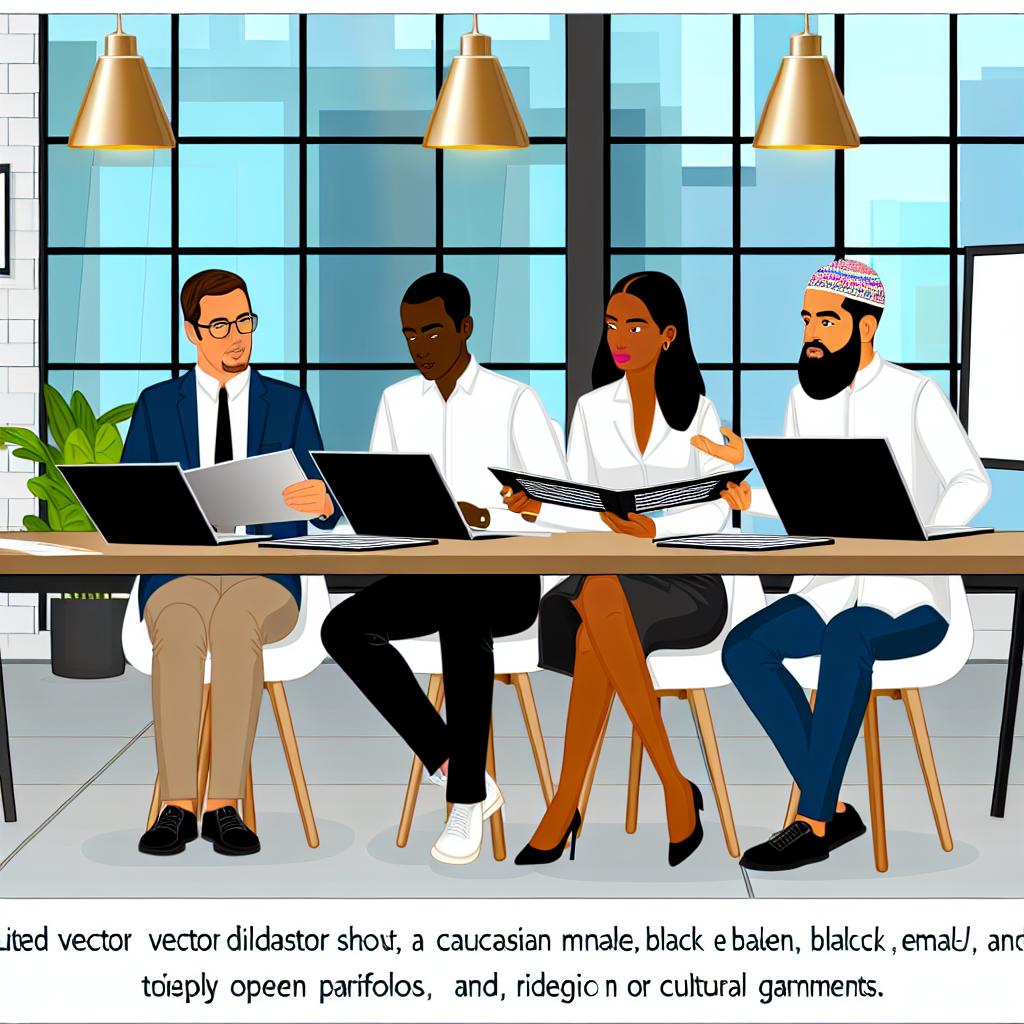
As an aspiring art director, the journey to build a standout portfolio is just as important as the work contained within it.
Seeking feedback and iterating on your portfolio should become a fundamental part of your development process.
This section discusses the importance of feedback, the process of iteration, and effective tips for continuous improvement.
The Importance of Seeking Feedback
Feedback serves as a crucial tool for growth in your creative career.
Here are several reasons why you should prioritize seeking feedback:
- Fresh Perspectives: Peers and mentors can offer new insights that you may overlook.
- Identify Weak Spots: External eyes can easily spot areas needing improvement in your work.
- Constructive Criticism: Thoughtful feedback helps you understand how others perceive your portfolio.
- Professional Insight: Industry professionals can guide you on current trends that may enhance your portfolio.
- Build Confidence: Encouraging feedback can reinforce your strengths and boost morale.
To maximize the value of feedback, consider who you approach.
Different individuals provide different perspectives:
- Peers: Fearless peers who share your ambitions will often provide honest critiques.
- Mentors: Experienced mentors can offer invaluable guidance from their journey.
- Industry Professionals: They bring a wealth of experience and knowledge about industry standards.
Constructive Criticism and Iteration
Once you gather feedback, do not treat it as a one-time event.
Embrace iteration as an ongoing process.
Here is how constructive criticism can fuel portfolio evolution:
- Emotional Distance: Try to separate your feelings from your work when receiving feedback.
- Ask Specific Questions: Guide your reviewers with specific questions about elements of your portfolio you are unsure about.
- Listen Actively: Truly listen to the feedback, taking notes when necessary to avoid missing crucial points.
- Prioritize Inputs: Determine which feedback aligns with your goals, and focus your iterations accordingly.
- Iterate Relentlessly: Treat each piece of feedback as fuel for enhancing your portfolio.
Tips for Continuous Improvement
Consistency in refining your portfolio is vital.
Follow these actionable tips to continuously enhance your body of work:
Transform Your Career Today
Unlock a personalized career strategy that drives real results. Get tailored advice and a roadmap designed just for you.
Start Now- Regular Portfolio Reviews: Schedule periodic reviews to assess your current work and identify areas for improvement.
- Stay Informed: Keep up with trends in art direction, design, and related fields to remain relevant.
- Experiment: Regularly introduce new styles or techniques to keep your work evolving.
- Engage with the Community: Participate in forums, workshops, and local art events to network and gather fresh perspectives.
- Version Control: Maintain older versions of your work to track your creative evolution over time.
Establishing Clear Feedback Objectives
Establishing clear feedback goals will help you streamline the process.
Here are some steps to set effective feedback goals:
- Define Your Objectives: Decide what you want to achieve with your portfolio, such as landing a specific job or showcasing a diverse skill set.
- Identify Target Reviewers: Choose individuals whose opinions align closely with your objectives.
- Create a Feedback Form: Outline specific aspects you want feedback on, such as layout, color, or typography.
- Set Deadlines: Establish timelines for both receiving feedback and implementing changes.
- Follow Up: After receiving feedback, circle back to your reviewers to show growth and thank them for their input.
Techniques to Integrate Feedback into Your Work
Once you have feedback in hand, the next step is to act on it effectively.
Here is how to incorporate feedback into your iteration process:
- Sort Feedback: Categorize feedback into themes—positive, negative, and neutral.
- Highlight Key Points: Focus on feedback that resonates with your core objectives, emphasizing what aligns with your vision.
- Integrate Feedback Gradually: You do not have to implement every piece of feedback at once—take your time.
- Document Changes: Keep a log of changes made based on feedback to monitor your progress.
- Evaluate Outcomes: After making changes, assess their impact on your portfolio’s effectiveness.
Cultivating a Growth Mindset for Creative Success
Embrace a growth mindset to thrive as an art director.
Here are some ways to cultivate this mindset:
- View Challenges as Opportunities: See every piece of constructive criticism as another chance to grow.
- Welcome Uncertainty: Embrace the unknown, allowing it to motivate exploration into uncharted territories within your work.
- Learn from Setbacks: When faced with obstacles, analyze what went wrong and apply those lessons forward.
- Reflect Regularly: Allocate time for self-reflection, analyzing areas where you succeeded and where you can improve.
- Celebrate Progress: Recognize and celebrate your growth and achievements to keep your motivation high.
Actively seeking feedback and iterating upon it shapes a more robust and impactful portfolio.
Make it a habit to reach out for perspectives, embrace constructive criticism, and iterate regularly.
This ongoing process of refinement will not only enhance your portfolio but also pave the way for your growth as an art director.
Ultimately, an evolving portfolio mirrors your journey, skill, and dedication to your craft.
Uncover the Details: Networking Tips for Corporate Communications Managers
When aspiring to become an art director, your portfolio is crucial.
It represents your skills, creativity, and experience.
Among the elements to include in your portfolio, showcasing collaborative projects is essential.
Importance of Showcasing Collaborative Projects
Collaborative projects hold immense value in your portfolio.
They highlight your ability to work with others effectively.
Art direction often involves leading teams to bring visions to life.
Employers seek candidates who can communicate well and foster teamwork.
- Demonstrates ability to trust and rely on others.
- Shows flexibility in adapting to different styles and ideas.
- Indicates strong interpersonal communication skills.
- Highlights your experience in managing group dynamics.
- Exhibits your role within various team structures.
Demonstrating Teamwork and Communication Skills
Working on collaborative projects cultivates teamwork.
In creative fields, collaboration is inevitable.
You will often work alongside writers, designers, and clients.
Cohesive results come from clear communication.
- Effective teamwork fosters a collaborative environment.
- Active listening enhances relationships and shared understanding.
- Adapting to feedback improves the final output.
- Encouraging contributions leads to innovative solutions.
Incorporating collaborative work in your portfolio also reflects emotional intelligence.
You can navigate different personalities skillfully.
Art directors must guide diverse teams while respecting individual contributions.
Appropriate Methods for Crediting Collaborators
It is vital to credit collaborators appropriately in your portfolio.
Acknowledging others fosters goodwill and demonstrates professionalism.
Here is how to do it effectively:
- List all collaborators’ names prominently.
- Clearly define your contributions to the project.
- Link to collaborators’ profiles or portfolios where possible.
- Provide context about the project’s goals and outcomes.
This approach highlights your contributions and showcases your network.
Employers appreciate candidates who create positive relationships within teams.
Clarity in Explaining Your Role in Projects
When presenting collaborative work, clarity regarding your role is essential.
Your portfolio should illuminate your specific contributions.
Here are effective ways to communicate your role:
- Write a brief project description.
- Use bullet points to outline tasks you managed.
- Showcase your decision-making process.
- Share any leadership roles you assumed during the project.
Being transparent about your responsibilities enhances credibility.
It allows potential employers to assess your capabilities.
They want to understand how you fit into teams and projects.
Criteria for Selecting Collaborative Projects
Not all collaborative projects are equal.
Select projects that showcase your best work and team interactions.
Consider the following factors when choosing which projects to include:
- The project’s significance and impact in the industry.
- Your level of involvement and responsibility.
- The diversity of roles within the collaboration.
- Feedback received from peers or clients.
Selecting projects with varied team dynamics helps demonstrate versatility.
Transform Your Career Today
Unlock a personalized career strategy that drives real results. Get tailored advice and a roadmap designed just for you.
Start NowIt allows you to showcase your adaptability and skillset across different mediums.
Building a Cohesive Narrative in Your Portfolio
When displaying collaborative projects, think about the narrative.
Your portfolio should tell a story of your growth as a designer and leader.
Connect the projects in a way that illustrates your journey.
Consider the following elements:
- Begin with your earliest collaborative experiences.
- Progress to more complex projects with diverse teams.
- Highlight milestones that shaped your collaboration skills.
- Conclude with your most recent collaborative work, showcasing your evolution.
A cohesive narrative allows viewers to see how you have developed.
You present yourself as a dedicated and skilled professional.
Demonstrating Collaborative Spirit through Your Portfolio
Showcasing collaborative projects is vital for aspiring art directors.
Demonstrating teamwork, communication skills, and professionalism can set you apart.
Your portfolio should reflect your ability to work effectively with others.
A well-curated selection of projects highlights your strengths and offers a glimpse into your collaborative spirit.
Remember to credit your collaborators accurately while defining your contributions.
Choose projects that reflect your growth and adaptability.
By creating a cohesive narrative, you can impress potential employers with your journey.
This approach enhances your portfolio’s impact, paving a path to success in the competitive art direction field.
Key Strategies for Crafting an Effective Art Director Portfolio
In this blog post, we explored essential portfolio review tips for aspiring art directors.
A strong portfolio showcases your best work and creativity.
We discussed the importance of curation, ensuring only your strongest pieces are included.
Presentation matters, so consider the layout and organization of your portfolio.
We emphasized the need to tailor your portfolio to specific job opportunities.
Research potential employers and align your work with their style and values.
Including a variety of projects demonstrates your versatility and ability to adapt.
Highlighting your process can give insights into your creative thinking and problem-solving skills.
Receiving feedback is essential for growth.
Seek critiques from peers and professionals to strengthen your work.
Do not shy away from constructive criticism; use it to refine your portfolio further.
Regularly update your portfolio to reflect your evolving style and skills.
An outdated portfolio may not accurately represent your current abilities.
Networking plays a crucial role in your career as an art director.
Attend industry events and connect with other creatives.
Building relationships can open doors to new opportunities and collaborations.
Additionally, utilizing online platforms can help you reach a broader audience.
We encourage you to apply these portfolio review tips in your practice.
Take the time to assess your work critically and make improvements.
Remember that a compelling portfolio is vital in pursuing a successful career as an art director.
It conveys your artistic vision and professionalism effectively.
Focus on curation, presentation, customization, and feedback integration.
Keep evolving, stay connected with the industry, and refine your portfolio consistently.
Trust that your hard work will pay off as you embark on your journey in the art direction field.
Additional Resources
Best Colleges to Become an Art Director CareerVillage
Transform Your Career Today
Unlock a personalized career strategy that drives real results. Get tailored advice and a roadmap designed just for you.
Start Now