




Cybersecurity Operations and Phishing Defense
Cybersecurity protects digital assets as organizations rely more heavily on technology.
Organizations face threats that can cause financial loss and reputational damage.
A Security Operations Center helps organizations monitor security and respond to suspicious activity.
Security Operations Center Definition
A Security Operations Center is a centralized unit that monitors an organization’s security posture.
It combines technology and skilled personnel to protect digital assets.
The SOC monitors security activity across the organization.
It also serves as an important defense against cyber threats.
Cybersecurity Importance in the Digital Age
Cybersecurity becomes increasingly important as organizations depend more on technology.
Organizations face numerous threats that require strong protective measures.
Effective security practices help safeguard sensitive information from cyber incidents.
Cyberattacks can create financial losses and damage an organization’s reputation.
Phishing as a Persistent Cybersecurity Threat
Phishing uses fraudulent attempts to obtain sensitive information online.
Attackers commonly use emails or deceptive websites to mislead victims.
This threat remains a leading cause of data breaches.
Therefore, organizations must remain vigilant against phishing campaigns.
SOC Analyst Responsibilities in Phishing Defense
SOC analysts help organizations prevent and detect phishing attacks.
They continuously monitor systems for suspicious activity.
Their expertise helps them identify potential threats quickly.
Analysts assess security alerts and investigate unusual network traffic.
They also develop and implement security policies.
Additionally, analysts educate employees about phishing attempts.
This training encourages a stronger culture of cybersecurity.
SOC analysts use specialized tools to detect phishing campaigns.
These tools help filter malicious content before it reaches employees.
Analysts collaborate with other teams to respond effectively to incidents.
Rapid responses can reduce the potential damage caused by phishing.
Through continuous monitoring and proactive measures, SOC analysts strengthen organizational cybersecurity.
Understanding Phishing Attacks
Phishing is a cybercrime technique that tricks people into sharing sensitive information.
Attackers impersonate trusted entities to access personal or organizational data.
These attacks commonly use emails, text messages, and fraudulent websites.
Definition of Phishing
Phishing deceives victims into providing usernames, passwords, credit card numbers, or other sensitive details.
Victims often believe they are communicating with a legitimate source.
Consequently, they may surrender information without recognizing the deception.
Types of Phishing Attacks
Phishing attacks take several forms, each using different methods to deceive victims.
Some attacks target individuals, while others focus on executives or businesses.
The following types represent common phishing methods.
- Spear Phishing: This targeted attack focuses on specific individuals or organizations.
- Attackers research victims and use personal details to make requests seem legitimate.
- Whaling: This spear phishing subtype targets high-profile executives or important figures.
- Attackers seek access to significant resources or sensitive data.
- Smishing: This method uses SMS messages to deceive victims.
- Attackers send malicious links or fraudulent telephone prompts to extract information.
- Vishing: This voice phishing method uses telephone calls to deceive victims.
- Attackers impersonate reputable organizations and request sensitive information.
- Clone Phishing: Attackers replicate an email that the victim previously received.
- They alter the message by adding malicious links or attachments.
- Business Email Compromise: This sophisticated attack targets businesses.
- Attackers compromise business email accounts to conduct unauthorized transactions or gather information.
Common Techniques Used in Phishing Attacks
Phishing attacks use psychological pressure and deceptive communication to influence victims.
Attackers may combine several techniques within one message.
These methods encourage victims to trust false communications or act quickly.
- Urgency or Fear Tactics: Attackers pressure victims to act quickly.
- They may claim that immediate action prevents account suspension or security problems.
- Ambiguous Sender Information: Attackers imitate legitimate email addresses or telephone numbers.
- This similarity can confuse victims and increase their trust.
- Malicious Links: Phishing messages often contain links to fraudulent websites.
- These websites imitate genuine services and request personal information.
- Attachments: Attackers may include harmful files within email messages.
- Downloaded attachments can install malware and compromise systems.
- Social Engineering: Phishing exploits human psychology and emotional responses.
- Attackers create trust or fear to persuade victims to share sensitive data.
Statistics on Phishing Incidents and Organizational Impact
Phishing incidents continue to create serious risks for organizations.
Transform Your Career Today
Unlock a personalized career strategy that drives real results. Get tailored advice and a roadmap designed just for you.
Start NowReported consequences include financial losses, recovery expenses, data loss, and reputational damage.
The following statistics describe phishing activity and its organizational impact.
- The Anti-Phishing Working Group reported a 61 percent increase in attacks during 2021.
- More than 80 percent of organizations experienced phishing attempts during 2021.
- The average company cost ranged from 1.6 million dollars to 2.9 million dollars.
- These costs included lost data, recovery efforts, and reputational damage.
- Approximately one in four individuals clicks a phishing link when it appears legitimate.
- Phishing accounts for 90 percent of all data breaches.
Organizations must recognize phishing as a persistent threat.
Understanding its scope and methods supports proactive organizational measures.
Role of SOC Analysts in Cybersecurity
SOC analysts strengthen organizational defenses by monitoring systems, investigating alerts, and coordinating security responses.
Their work combines technical analysis, timely communication, and continuous awareness of changing cyber threats.
They also support phishing prevention by identifying suspicious activity and helping employees recognize security risks.
Overview of Duties Performed by SOC Analysts
SOC analysts monitor an organization’s information technology infrastructure for potential threats and vulnerabilities.
They analyze security alerts that may indicate phishing attempts or data breaches.
Various security tools help analysts detect and respond to incidents efficiently.
Analysts often conduct initial investigations into suspected security incidents.
These investigations may include forensic analysis of affected systems.
Detailed security reports summarize incidents and recommend improvements.
Analysts also review security policies and protocols regularly.
This review helps organizations maintain effective guidelines against evolving threats.
Furthermore, analysts educate employees about cybersecurity best practices.
Training sessions can explain phishing risks and other common threats.
Such education encourages a security-conscious culture throughout the organization.
Additionally, analysts collaborate with incident responders and threat hunters.
This cooperation strengthens the organization’s overall security posture.
Importance of Real-Time Monitoring and Threat Detection
Real-time monitoring helps analysts identify threats as they emerge.
Cyber threats can appear at any moment and remain unnoticed without continuous observation.
Live dashboards allow analysts to monitor network activity continuously.
These dashboards reveal unusual behavior that may indicate phishing activity.
Rapid detection enables organizations to respond quickly to cyberattacks.
Quick action can reduce data loss and financial damage.
Advanced analytics further improve the accuracy of threat detection.
Automated tools filter false positives and help analysts focus on genuine threats.
Effective monitoring protects sensitive data and supports customer trust.
Threat intelligence also supports proactive monitoring and defensive preparation.
Analysts use threat feeds to understand emerging risks and known phishing tactics.
This knowledge helps organizations prepare suitable defenses before attacks occur.
When analysts detect phishing, they can alert employees and isolate affected systems.
Consequently, real-time monitoring supports faster and more effective incident response.
Collaborative Efforts Within SOC Teams
Collaboration enables SOC teams to build a coordinated security environment.
Analysts work closely with threat hunters and incident responders.
Each role contributes different expertise to the security process.
Threat hunters proactively search for hidden threats within organizational systems.
They analyze patterns and behaviors to identify unusual activity.
Analysts validate and contextualize the findings from those investigations.
Transform Your Career Today
Unlock a personalized career strategy that drives real results. Get tailored advice and a roadmap designed just for you.
Start NowThis cooperation streamlines investigations and improves decision-making.
Incident responders concentrate on containing and mitigating confirmed threats.
Their expertise becomes especially valuable when analysts detect phishing attempts.
Clear communication between teams supports prompt and coordinated action.
Quick containment limits damage and helps protect data integrity.
Regular team meetings provide opportunities to share intelligence and insights.
Analysts can discuss recent threats, vulnerabilities, and investigative findings.
Joint training exercises also strengthen teamwork and improve response times.
Simulated phishing attacks allow SOC members to practice coordinated responses.
SOC analysts may also share information with law enforcement and external organizations.
Cross-industry cooperation can enhance broader cybersecurity defenses.
Skills and Qualifications Needed for SOC Analysts
SOC analysts need technical expertise, analytical ability, and strong communication skills.
A solid foundation in cybersecurity principles supports effective threat analysis.
Analysts must understand threats such as phishing and related attack methods.
They should know how to configure and operate SIEM systems.
Familiarity with intrusion detection systems also benefits daily monitoring.
Knowledge of network architectures and protocols supports accurate investigations.
Strong analytical skills help analysts evaluate large volumes of security data.
Critical thinking helps them distinguish false positives from genuine threats.
Communication skills allow analysts to explain complex security issues clearly.
They must write detailed reports and present findings to stakeholders.
Clear communication ensures that employees understand security issues and procedures.
Continuous learning remains essential because cybersecurity threats continue to evolve.
Relevant certifications can support professional development in this field.
Examples include CompTIA Security+, CISSP, and CEH certifications.
Staying current with industry trends improves an analyst’s effectiveness.
These combined capabilities help analysts protect organizations from phishing and other cyber threats.
Uncover the Details: Career Path and Growth for IT Project Managers
Phishing Prevention Strategies Used by SOC Analysts
Phishing attacks threaten organizations across today’s digital landscape.
SOC analysts help prevent these attacks through policies, training, technology, and proactive security measures.
These strategies reduce phishing risks and strengthen organizational defenses.
Security Policies for Phishing Prevention
Security policies establish the foundation for phishing defense.
SOC analysts assess existing frameworks and identify vulnerabilities.
They then address those weaknesses to protect sensitive data.
- Policies should clearly define phishing and provide relevant examples.
- Incident response protocols should explain how employees report suspected phishing attempts.
- Access controls should limit sensitive information according to user roles.
- Regular policy reviews should address emerging phishing threats.
- Compliance guidelines should support applicable industry regulations and standards.
Clear policies give employees a consistent framework for handling suspicious communications.
They also help organizations respond promptly when phishing incidents occur.
Security Awareness Training for Employees
Employee training provides another important layer of phishing protection.
SOC analysts design programs that match the organization’s specific needs.
Training encourages vigilance when employees handle emails and online communications.
- Employees learn to recognize suspicious emails, links, and attachments.
- Reporting procedures explain how employees notify the SOC about suspected phishing.
- Best practices discourage password sharing and promote safer email use.
- Simulated phishing exercises evaluate employee awareness and response.
- Continuous education keeps employees informed about changing phishing tactics.
Regular training helps organizations build a stronger security culture.
Transform Your Career Today
Unlock a personalized career strategy that drives real results. Get tailored advice and a roadmap designed just for you.
Start NowInformed employees can reduce the likelihood of successful phishing attempts.
Advanced Tools and Technologies
Cybercriminals continue to develop more sophisticated phishing methods.
SOC analysts use advanced technologies to detect and respond to these threats.
Security Information and Event Management systems support this defensive work.
- SIEM solutions collect and analyze security data across the organization.
- Threat intelligence platforms identify emerging threats and known attack methods.
- Email filtering solutions screen incoming messages for possible phishing attempts.
- Endpoint Detection and Response tools monitor activity for compromise indicators.
- Automated playbooks streamline incident response and support rapid mitigation.
These tools help analysts detect, investigate, and address phishing threats quickly.
Threat intelligence also helps organizations understand changing attacker tactics.
Proactive Threat Hunting for Phishing Attempts
Proactive threat hunting helps analysts identify phishing indicators before attacks develop.
SOC analysts continuously monitor activity and investigate unusual behavior.
This approach improves organizational resilience against phishing threats.
- Regular log reviews reveal unusual access patterns and possible phishing activity.
- Behavioral analysis identifies accounts that act unusually.
- Network traffic analysis reveals irregular communications with malicious IP addresses.
- Threat intelligence guides hunting activities and helps uncover hidden threats.
- Analysts build and test hypotheses about potential phishing attempts.
Early identification allows analysts to neutralize threats before they cause greater harm.
Threat hunting also strengthens incident response and organizational preparedness.
Integrated Phishing Prevention
SOC analysts combine policies, training, technology, and threat hunting to reduce phishing risks.
Each strategy supports faster detection and more consistent responses.
Together, these measures help protect sensitive organizational data from cybercriminals.
Explore Further: Handling Difficult Customers in Technical Support
Phishing Detection Methods Used by SOC Analysts
Phishing attacks threaten organizations worldwide.
Cybercriminals constantly change their tactics, which makes detection challenging.
SOC analysts use several detection methods to identify and neutralize phishing threats.
Network Traffic Analysis for Phishing Indicators
Network traffic analysis provides a foundation for phishing detection.
Analysts monitor data packets moving through the organization’s network.
They examine traffic for indicators that may reveal phishing activity.
- Unusual IP addresses: Analysts flag traffic from unfamiliar or blacklisted IP addresses.
- Abnormal data transfers: Large transfers at unusual times can raise suspicion.
- DNS lookups: Analysts review queries for domains associated with known phishing sites.
- Proxy usage: Encrypted traffic or unexpected proxy use may indicate phishing activity.
Effective traffic analysis helps analysts identify early warning signs.
This proactive approach helps analysts stop threats before attackers cause harm.
Machine Learning and Artificial Intelligence for Anomaly Detection
Machine learning and artificial intelligence continue to reshape cybersecurity practices.
SOC analysts use these technologies to improve phishing detection.
These tools help analysts process large volumes of security data quickly.
- Anomaly detection: Machine learning models identify deviations from normal user behavior.
- Threat intelligence: Artificial intelligence gathers information from multiple sources to recognize emerging tactics.
- Automated alerts: Machine learning systems notify analysts about potential phishing threats.
- Contextual awareness: Artificial intelligence correlates information from different sources for broader analysis.
These capabilities increase the likelihood of detecting phishing attempts in real time.
Analysts can then investigate suspicious activity more efficiently.
Email Filtering Techniques for Phishing Prevention
Email remains a common delivery method for phishing attacks.
SOC analysts apply email filters to reduce the number of harmful messages reaching users.
These filters examine message content, sender details, links, and attachments.
- Spam filtering: Algorithms identify and remove suspicious messages before delivery.
- URL analysis: Analysts examine email links for connections to malicious websites.
- Header analysis: Email headers reveal sender information and routing details.
- Attachment scanning: Security tools check attachments for malware signatures before delivery.
These techniques can prevent many phishing messages from reaching organizational users.
Consequently, effective filtering reduces the risk of successful phishing attacks.
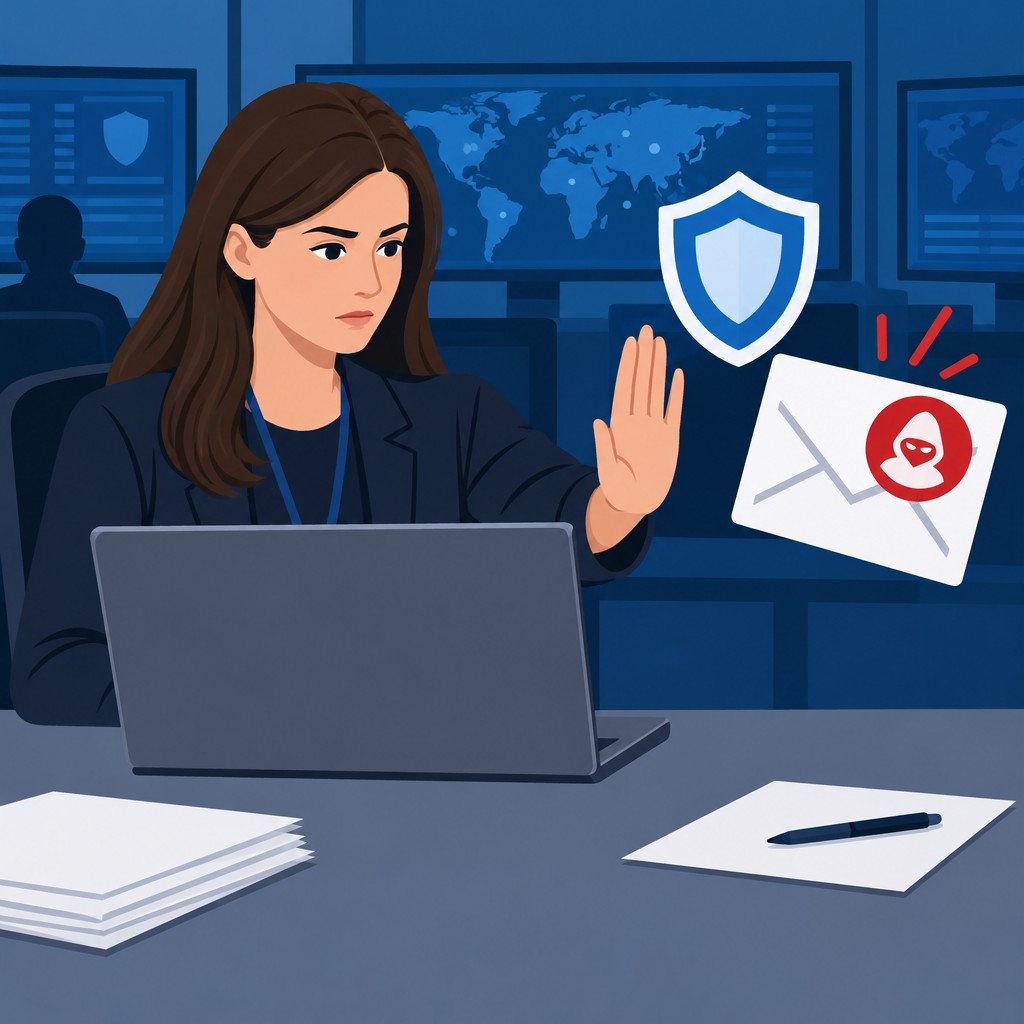
Historical Data Analysis for Phishing Patterns
Historical data gives SOC analysts useful information about previous phishing activity.
Analysts review past incidents to identify recurring attack patterns.
They use these findings to refine detection and response strategies.
- Incident analysis: Analysts review documented incidents to understand successful attack methods.
- Temporal patterns: Analysts identify periods with increased phishing attempts.
- Industry benchmarking: Analysts compare internal information with broader industry trends.
- Post-incident reviews: Analysts examine each incident to improve future responses.
This review process helps analysts recognize familiar phishing indicators.
It also supports better preparation for similar attacks.
Continuous Improvement in Phishing Detection
SOC analysts combine network analysis, advanced technologies, email filtering, and historical review.
Each method provides different information about potential phishing activity.
Transform Your Career Today
Unlock a personalized career strategy that drives real results. Get tailored advice and a roadmap designed just for you.
Start NowBecause attackers change their methods, analysts must continually adapt their detection strategies.
Discover More: How IT Trainers Can Keep Skills Up-to-Date
Phishing incidents require coordinated response procedures that limit harm and support investigation.
SOC analysts coordinate technical actions, evidence collection, recovery, and communication throughout the incident.
These activities help organizations protect sensitive information and strengthen future response capabilities.
Incident Response Protocols for Phishing Breaches
A defined incident response protocol helps analysts recognize, contain, and resolve phishing breaches.
Analysts first identify the attack and then evaluate its potential effect on systems and data.
They also document response actions to support recovery and improve later security decisions.
- Identify the attack: Analysts use threat intelligence tools to recognize phishing emails and fraudulent websites.
- Assess the impact: Analysts determine which systems and data might have been compromised.
- Contain the incident: SOC teams take immediate action to limit the attack’s spread.
- Eradicate the threat: Analysts block phishing emails and remove malicious software.
- Recover operations: SOC teams help restore systems and address identified vulnerabilities.
Containment and Eradication Measures
Containment limits the attacker’s access while analysts investigate affected accounts and systems.
Eradication removes malicious content and closes access routes that could support continued compromise.
Organizations can also reduce account abuse by enabling multi-factor authentication.
- Isolate affected systems: Analysts isolate compromised accounts or devices to prevent lateral movement.
- Block phishing domains: Analysts update DNS settings and firewall rules to restrict access.
- Analyze emails: Analysts examine phishing messages and collect indicators of compromise.
- Remove malicious content: SOC teams use endpoint detection and response tools to remove harmful files.
- Implement MFA: Organizations enable multi-factor authentication to discourage unauthorized account access.
Forensic Analysis of Phishing Attack Vectors
Forensic analysis shows how attackers entered systems and which weaknesses they exploited.
Analysts compare evidence from email platforms, firewalls, endpoints, and other relevant sources.
Their findings guide defensive improvements and strengthen organizational threat intelligence.
- Collect data: Analysts gather logs from email systems, firewalls, and endpoint devices.
- Identify malware: Analysts examine malware behavior and capabilities to understand its purpose.
- Reconstruct the attack path: Analysts map the incident and identify exploited vulnerabilities.
- Assess user awareness: Analysts review user responses and security awareness training records.
- Enhance threat intelligence: Analysts add useful findings to threat intelligence databases.
Stakeholder Communication After a Phishing Incident
Clear communication helps stakeholders understand the incident, its effects, and the response.
Analysts tailor messages for executives, technical teams, affected users, legal representatives, and the public.
They also collect feedback that can improve training and future incident handling procedures.
- Provide internal briefings: Analysts explain the incident’s impact and response activities to executives and IT teams.
- Notify users: Analysts inform affected users and explain protective actions they should take.
- Coordinate with legal teams: Analysts support regulatory and compliance discussions with legal representatives.
- Prepare public communication: Analysts help organizations address reputational concerns with clear messages.
- Create feedback loops: Analysts use stakeholder feedback to improve training and response procedures.
Building Resilience After Phishing Incidents
SOC analysts connect response procedures, technical investigation, and stakeholder communication.
This coordinated approach helps organizations restore operations and address security weaknesses.
Organizations can therefore improve resilience by applying lessons from each phishing incident.
Explore Further: Understanding Web Developer Job Descriptions
Continuous Improvement and Learning
Continuous improvement strengthens phishing prevention over time.
Post-incident analysis helps analysts identify practical improvements.
Meanwhile, shared learning prepares teams for changing attacks.
Post-Incident Reviews and Lessons Learned
Post-incident reviews help SOC analysts examine how teams handled phishing incidents.
Each review reveals successful actions and areas requiring improvement.
Therefore, structured lessons help organizations refine future prevention and response efforts.
- Identify weaknesses in existing security measures
- Assess response times during incidents
- Review communication effectiveness within the team
- Evaluate user awareness training effectiveness
- Understand phishing impacts on business operations
By reviewing these areas, analysts strengthen their capabilities.
Furthermore, organizations become better prepared for similar attacks.
Continuous learning reinforces the organization’s broader security posture.
Current Phishing Tactics and Emerging Trends
Phishing tactics continue to evolve as attackers seek ways around established controls.
Consequently, SOC analysts must monitor developments affecting phishing prevention.
Ongoing awareness enables analysts to improve defenses and user guidance.
- Follow cybersecurity news outlets and blogs
- Participate in phishing-focused webinars and courses
- Read research about cybercriminal tactics
- Join professional organizations sharing emerging threats
- Attend industry conferences and security workshops
Through ongoing education, analysts can anticipate potential threats.
This preparation supports stronger defensive measures.
Moreover, current knowledge helps analysts create precise user training.
Ongoing Training and Professional Development
Effective phishing prevention depends on analysts who maintain relevant skills.
Regular professional development keeps their knowledge aligned with changing security needs.
Organizations can support this growth through focused training and certifications.
- Advanced threat detection and analysis techniques
- Incident response protocols for phishing attacks
- Technological advancements in cybersecurity tools
- User awareness training methodologies
- Legal and compliance issues related to cybersecurity
Certifications such as CISSP and CEH can expand analyst expertise.
Transform Your Career Today
Unlock a personalized career strategy that drives real results. Get tailored advice and a roadmap designed just for you.
Start NowIn addition, practical training improves confidence during phishing investigations.
Investing in development empowers analysts to support stronger organizational defenses.
Collaboration and Threat Intelligence Sharing
Collaboration allows organizations to exchange knowledge about phishing threats.
Shared intelligence can help analysts recognize developing tactics more quickly.
Furthermore, cooperation encourages consistent defensive practices across participating organizations.
- Participate in information-sharing consortia
- Coordinate joint training with industry peers
- Exchange intelligence through established platforms
- Attend community forums about phishing
- Align with law enforcement on emerging threats
These activities can accelerate recognition of new phishing trends.
Organizations can then address novel tactics before they spread widely.
Shared experience also supports best practices that improve collective security.
Building Long-Term Phishing Resilience
Continuous learning remains essential for a resilient phishing prevention program.
SOC analysts should combine reviews, education, training, and collaboration.
These activities help organizations strengthen defenses against evolving phishing threats.
Regular improvement also supports more confident and coordinated security operations.
Strengthening Organizational Phishing Resilience
Effective phishing prevention depends on coordinated people, adaptable practices, and sustained organizational support.
SOC analysts connect these elements by turning observations into defensive improvements.
Their work helps organizations respond to changing threats while protecting important information.
SOC Analysts as Frontline Defenders
SOC analysts monitor network activity and alerts for signs of suspicious behavior.
Through careful analysis, they can identify threats and help neutralize them before escalation.
Furthermore, their findings guide user education and strengthen cooperation across organizational teams.
Vigilance Against Changing Phishing Tactics
Phishing tactics change constantly, so analysts must maintain strong vigilance.
They stay informed about emerging techniques and adjust their responses accordingly.
Regular training and timely updates help them preserve their effectiveness.
Meanwhile, organizations should encourage continuous improvement in daily security practices.
Investment in SOC Capability
Organizations should provide SOC teams with adequate resources and relevant training.
Funding gives analysts access to the tools required for effective work.
Training keeps their knowledge current as new phishing threats emerge.
Consequently, investment strengthens organizational resilience and demonstrates cybersecurity’s importance.
A Proactive Path Through Evolving Threats
Cybercriminals continue refining phishing tactics, which makes defensive planning an ongoing responsibility.
Therefore, organizations must align technology, monitoring, and training with changing risks.
A proactive approach can help them prevent breaches and safeguard organizational data.
Additional Resources
Google search results for The Role of SOC Analysts in Phishing Prevention Information Technology
Bing search results for The Role of SOC Analysts in Phishing Prevention Information Technology


