




Effective IT Asset Disposal
IT asset disposal manages outdated or unwanted computers, devices, and other technology equipment.
Effective strategies protect data, support regulatory compliance, and promote environmental responsibility.
This process helps organizations manage technology assets responsibly throughout their lifecycles.
Proper Data Sanitization
Organizations should remove all data from devices before disposing of them.
This step helps prevent unauthorized access and reduces the risk of data breaches.
Therefore, teams can use overwriting, degaussing, or physical destruction to erase data securely.
Inventory and Documentation
Organizations should create a detailed inventory of every IT asset.
The inventory helps teams track each asset’s lifecycle and disposal status.
Additionally, accurate documentation supports compliance and keeps disposal activities organized.
Reuse and Recycling
Organizations should first evaluate whether they can reuse equipment internally.
Internal reuse can help organizations maximize the value of existing technology assets.
When reuse remains impractical, certified e-waste recyclers can process equipment responsibly.
Vendor Selection
Organizations should select reputable vendors for secure and environmentally responsible disposal.
Certifications can help teams evaluate a vendor’s disposal and recycling practices.
Before engagement, organizations should verify the vendor’s data sanitization and disposal processes.
Compliance and Regulations
Organizations must align disposal procedures with applicable data protection regulations.
They should also consider relevant industry standards when managing retired equipment.
Finally, staying informed about legal requirements helps organizations avoid potential penalties.
IT Asset Inventory for Disposal
Organizations begin by identifying every IT asset that requires disposal.
They also record each asset and its current location accurately.
Furthermore, this inventory clarifies which assets organizations can reuse or recycle.
- Identify all IT assets that require disposal.
- Maintain accurate records of each asset and its location.
- Determine which assets organizations can reuse or recycle.
Additionally, the inventory reveals potential security risks connected with asset disposal.
Organizations can use this information to develop a disposal strategy that handles sensitive data properly.
Data Security Measures
Organizations should back up all data before disposing of IT assets.
They should then securely wipe each device to prevent potential data breaches.
This approach helps protect information throughout the disposal process.
Tools for Secure Data Erasure
Organizations can use reliable data erasure tools to remove sensitive information from IT assets.
Alternatively, they can seek professional help when internal resources cannot guarantee complete data removal.
These measures protect the privacy of individuals and organizations.
Why Data Security Matters
Data security remains a critical part of IT asset disposal.
Failing to erase device data can cause leaks, identity theft, and serious security breaches.
Furthermore, unauthorized access can create serious legal and financial consequences.
Organizational Data Security Practices
Organizations should develop comprehensive policies for securely disposing of IT assets.
These policies should define procedures for data backup, erasure, and disposal.
They should also train employees to follow proper data security practices.
Monitoring and Maintaining Secure Disposal
Employee education and awareness help organizations prevent data breaches.
Regular audits can reveal vulnerabilities or gaps in existing security measures.
Additionally, ongoing monitoring helps organizations maintain compliance with data protection regulations.
Protecting Information During Disposal
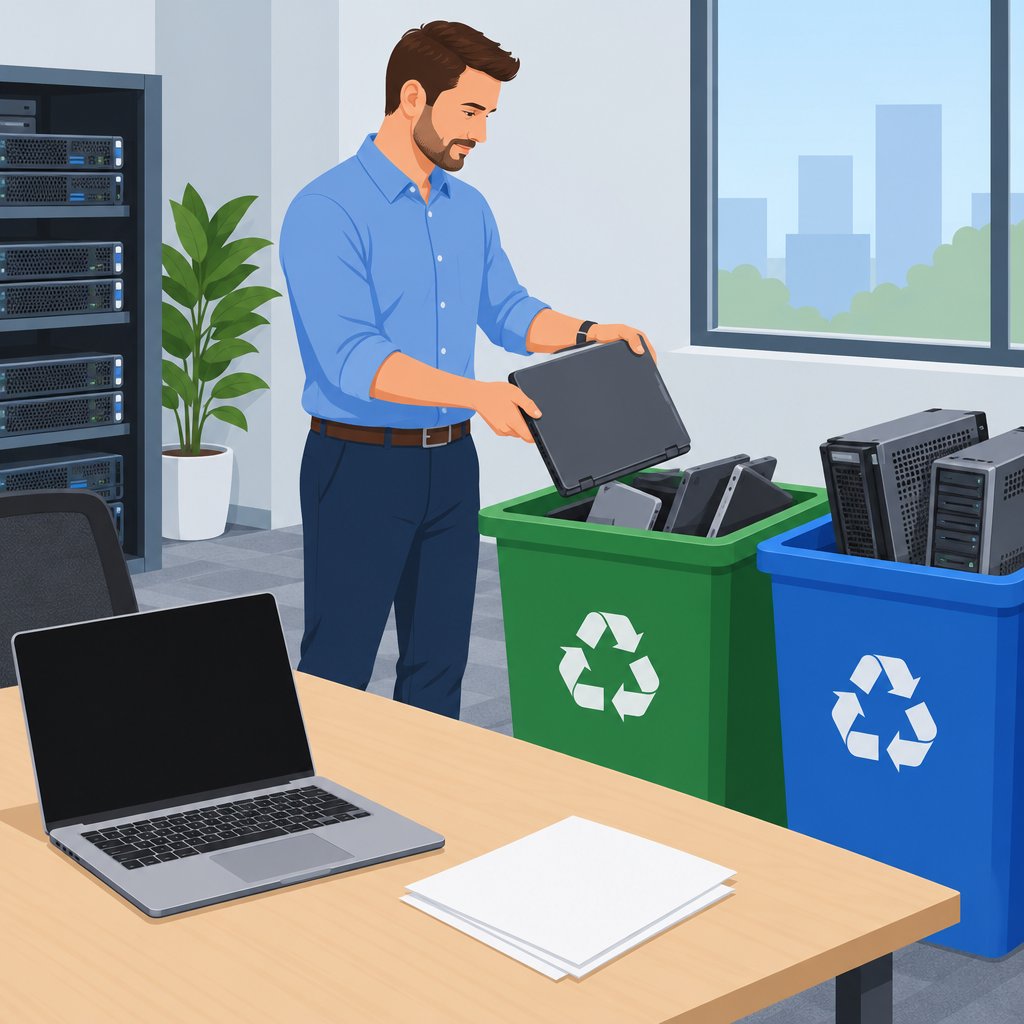
Organizations can reduce risks by securely erasing and protecting data before disposal.
These actions help prevent sensitive information from reaching unauthorized individuals.
Transform Your Career Today
Unlock a personalized career strategy that drives real results. Get tailored advice and a roadmap designed just for you.
Start NowThey also protect organizational reputations and reduce potential security liabilities.
You Might Also Like: Understanding Cloud Compliance and Regulations
Choosing the Right Disposal Method
Organizations should choose an appropriate method when disposing of IT assets.
Instead, they can recycle, refurbish, or donate usable equipment.
Recycling reduces electronic waste and conserves valuable resources.
Refurbishing extends asset life and reduces spending on new purchases.
Additionally, charitable organizations can distribute donated equipment to people in need.
Researching Reputable Disposal Companies
Before selecting a provider, organizations should research reputable IT asset disposal companies.
They should prioritize certifications and proven records in secure asset disposal.
Meanwhile, customer reviews and ratings can help confirm reliability and trustworthiness.
Finally, comparing quotes can identify a cost-effective solution for the organization.
Sustainable Disposal Practices
Organizations should follow industry best practices and applicable guidelines for sustainable disposal.
First, staff must erase sensitive data from every device before disposal.
Secure data-wiping tools or services can protect confidential information from unauthorized access.
Moreover, certified recycling facilities can process electronic waste responsibly.
Organizations should monitor regulations and compliance requirements to avoid legal issues.
An asset management system can track asset lifecycles and streamline disposal.
Managers should educate employees about proper disposal and encourage responsible behavior.
Regular training keeps employees informed about current disposal practices and regulations.
Finally, monitoring the disposal program helps identify opportunities for improvement and optimization.
Together, these practices support sustainable and responsible IT asset disposal.
Discover More: Top Conferences for ERP Consultants in 2025
Understanding Applicable Regulations
Regulatory knowledge helps organizations manage IT asset disposal responsibly.
Organizations should review local, state, and federal requirements before disposing of technology equipment.
Furthermore, regular monitoring helps teams respond to changes in relevant regulations.
- Review local, state, and federal laws governing IT asset disposal.
- Understand the requirements and restrictions that apply to your organization.
- Stay informed about updates to relevant regulations.
Protecting Data Privacy
Data privacy laws govern how organizations protect information during IT asset disposal.
Organizations must protect sensitive information and personal data throughout the disposal process.
Secure erasure techniques help prevent unauthorized access to confidential data.
- Follow data privacy laws such as GDPR and HIPAA.
- Protect sensitive information throughout the disposal process.
- Use secure data erasure techniques to protect confidential data.
Preventing Fines and Legal Consequences
Noncompliance can expose organizations to significant fines and legal consequences.
Legal counsel or compliance experts can help organizations interpret and follow applicable requirements.
Regular audits can reveal gaps before they create serious compliance problems.
- Recognize that noncompliance can result in hefty fines and penalties.
- Consult legal counsel or compliance experts when necessary.
- Audit disposal practices regularly to identify compliance gaps.
Following regulatory requirements helps organizations reduce risks and address potential legal challenges.
Gain More Insights: Essential Tools for IT Consultants to Know
Environmental Considerations for IT Asset Disposal
Environmental responsibility remains an important consideration when organizations dispose of outdated IT equipment.
Rapid technological advances increase the need for careful electronic waste management.
Responsible disposal helps organizations reduce their environmental impact and support a greener future.
- Dispose of electronic waste responsibly to minimize environmental impact
- Choose certified e-waste recycling facilities
- Support sustainability initiatives by properly recycling IT assets
Responsible Electronic Waste Disposal
Organizations should handle electronic waste responsibly to reduce environmental risks.
Old computers, printers, servers, and other equipment may contain substances that harm ecosystems.
Reputable e-waste disposal companies can manage these assets through environmentally responsible processes.
Certified E-Waste Recycling Facilities
Organizations should select disposal vendors that follow strict environmental standards.
Transform Your Career Today
Unlock a personalized career strategy that drives real results. Get tailored advice and a roadmap designed just for you.
Start NowCertifications such as R2 and e-Stewards identify facilities that follow responsible recycling practices.
These facilities help ensure that hazardous materials receive safe and appropriate handling.
Sustainability Through IT Asset Recycling
Proper IT asset recycling supports organizational sustainability initiatives.
Organizations can reduce their environmental impact by participating in e-waste recycling programs.
These efforts help promote a cleaner and healthier environment for future generations.
Gain More Insights: Agile vs. Waterfall: Which is Best for IT Projects?
Secure Transportation and Storage
Secure transportation and storage protect IT assets during the disposal process.
These controls reduce theft, damage, and unauthorized access before facilities receive the equipment.
Therefore, organizations should coordinate transportation, transit safeguards, and secure storage procedures.
- Transport assets safely to disposal or recycling facilities.
- Protect assets from theft or damage during transit.
- Store assets securely until disposal to prevent unauthorized access.
Safe Transportation to Disposal Facilities
Organizations should use reputable transportation services when moving IT assets.
They should confirm that carriers have experience handling electronic equipment securely.
Additionally, GPS tracking and monitoring can help teams follow assets during transit.
Protection During Transit
Tamper-evident seals or locks can help prevent unauthorized access during transportation.
Meanwhile, chain-of-custody procedures establish accountability and traceability throughout the movement process.
Regular vehicle inspections can reveal vulnerabilities before they cause theft or damage.
Secure Storage Before Disposal
Organizations should use secure facilities with restricted access for assets awaiting disposal.
Surveillance systems can help monitor stored equipment and discourage unauthorized entry.
Furthermore, inventory systems can track each asset’s location and storage status.
Teams should erase or destroy device data before placing equipment in storage.
These practices limit exposure to theft, damage, and data breaches throughout disposal.
Prioritizing Responsible IT Asset Disposal
Organizations must plan and execute IT asset disposal carefully to reduce security risks and compliance issues.
Moreover, clear disposal strategies help teams manage each step and support successful outcomes.
These strategies also promote secure data wiping and environmentally responsible equipment handling.
By applying these practices, organizations can streamline disposal and reduce risks linked to improper handling.
Therefore, readers should prioritize secure and responsible disposal for every IT asset.
Additional Resources
Google search results for Strategies for Effective IT Asset Disposal Information Technology
Bing search results for Strategies for Effective IT Asset Disposal Information Technology


