




Introduction
Cyber forensics analysts investigate digital crimes.
They play a crucial role in supporting law enforcement agencies.
Their expertise helps agencies examine digital evidence and pursue justice.
Key Responsibilities
These analysts collect electronic evidence during cybercrime investigations.
They analyze digital material to uncover cyber threats.
Additionally, their findings can help identify perpetrators.
Digital Evidence Collection
Analysts use specialized tools to extract data from electronic devices.
They preserve evidence carefully for court proceedings.
Proper procedures also protect the integrity of collected evidence.
Investigation Support
Analysts assist law enforcement with complex cybercrime investigations.
Their expertise supports analysis of malware, online fraud, and hacking incidents.
As a result, investigators can better understand digital criminal activity.
Courtroom Testimony
Cyber forensics analysts may testify as expert witnesses during criminal trials.
They explain technical findings in language that juries can understand.
Their testimony helps courts evaluate digital evidence.
Training and Education
Analysts conduct workshops and training sessions for law enforcement personnel.
They teach officers digital forensic techniques and best practices.
Through education, they strengthen investigative knowledge within law enforcement agencies.
Justice Through Digital Forensics
Cyber forensics analysts provide valuable support to law enforcement agencies.
Their investigations help solve digital crimes.
Ultimately, their work supports fair outcomes and the pursuit of justice.
Definition of Cyber Forensics
Cyber forensics applies investigative and analytical methods to collect and preserve evidence from digital devices.
It involves identifying, extracting, and interpreting electronic data for legal purposes.
Also called digital forensics, it belongs to forensic science and focuses on digital evidence.
Roles of Cyber Forensics Analysts
Analysts examine digital information to clarify events connected with hacking, breaches, and cyber attacks.
They use specialized tools to connect evidence with actions, timelines, and potential responsibility.
Additionally, their documented findings can support legal proceedings and cooperation with law enforcement.
- Analysts collect and document digital evidence for cybercrime investigations.
- They preserve digital evidence carefully to maintain its integrity and courtroom admissibility.
- They analyze data to uncover information about hacking, breaches, and cyber attacks.
- Using specialized tools, analysts reconstruct events and identify responsible individuals.
- They prepare detailed reports describing their findings and conclusions.
- Analysts may provide expert testimony that explains technical findings to jurors.
- They collaborate with law enforcement agencies during investigations and prosecutions.
- They pursue ongoing training to understand emerging technologies and trends.
Through these duties, analysts help law enforcement investigate cybercrimes and prosecute offenders.
They present digital evidence in court while maintaining its reliability and relevance.
Skills Required for Cyber Forensics Analysts
Cyber forensics analysts need strong technical skills to investigate cybercrimes effectively.
Their technical knowledge covers computer systems, networks, and digital devices.
Additionally, analysts need knowledge of laws and regulations related to cybercrimes.
This knowledge includes relevant statutes, case law, and legal procedures.
These analysts support law enforcement agencies during cybercrime investigations.
They gather evidence and analyze data for investigative and legal purposes.
They also provide expert testimony in court.
Delve into the Subject: Penetration Testing Methodologies Explained
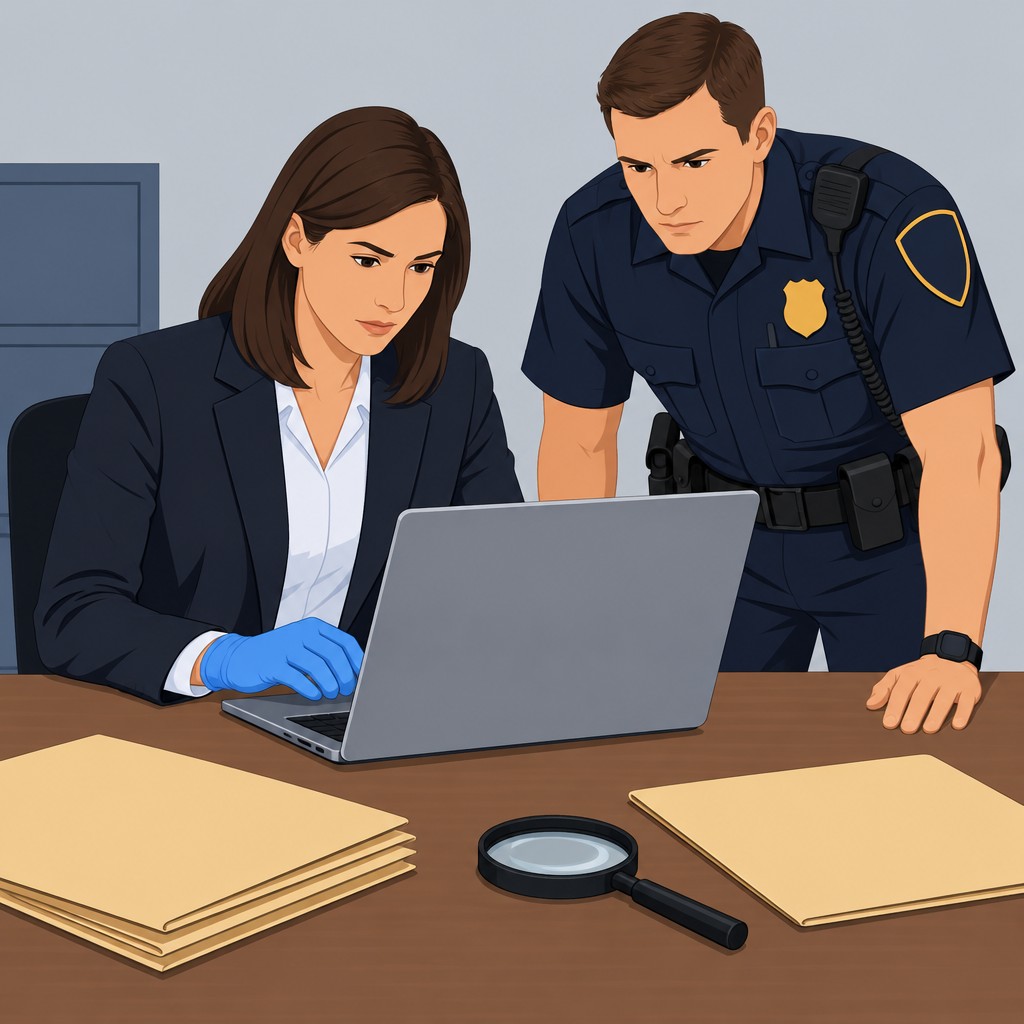
Software Tools for Digital Investigation
Cyber forensics analysts rely on many software tools during digital investigations.
These tools help analysts gather, examine, and report digital evidence.
They also support consistent analysis across different digital environments.
Transform Your Career Today
Unlock a personalized career strategy that drives real results. Get tailored advice and a roadmap designed just for you.
Start Now- EnCase helps investigators acquire, analyze, and report on digital evidence.
- Autopsy provides an open-source platform for detailed digital investigations.
- FTK, or Forensic Toolkit, helps investigators analyze large volumes of data.
- Sleuth Kit provides command-line tools for forensic analysis across platforms.
- Volatility supports memory analysis during cybercrime investigations.
Keeping Current with Forensic Technologies
Technology evolves rapidly, so cyber forensics analysts must update their knowledge and skills.
Regular learning helps analysts respond effectively as cyber criminals develop new methods.
Updated tools can also improve evidence collection and investigative efficiency.
- Analysts adapt to changing threats by learning about emerging technologies.
- New tools can help analysts complete investigations more efficiently.
- Updated technologies can improve digital evidence collection and preservation.
- Continuing development helps analysts remain competitive in cyber forensics.
- Current knowledge helps analysts meet regulatory requirements and standards.
Uncover the Details: Building Scalable Network Architectures
Cyber Forensics Support for Law Enforcement
Technology continues to advance, and cybercrime remains a prevalent issue in society.
Law enforcement agencies use cyber forensics analysts to gather crucial evidence against digital threats.
These analysts also provide expert testimony that supports legal proceedings.
Gathering Digital Evidence During Investigations
Analysts gather digital evidence during criminal investigations.
They use specialized tools and techniques to examine electronic devices for clues.
Additionally, they recover deleted files, analyze network traffic, and identify digital threats.
- Utilizing specialized tools and techniques
- Examining electronic devices for clues
- Recovering deleted files and data
- Analyzing network traffic and logs
- Identifying malware and other digital threats
Explaining Digital Evidence in Court
Analysts interpret technical evidence for legal professionals.
They explain complex cyber concepts to jurors in accessible terms.
They also connect digital evidence to criminal activities and support prosecutors in building cases.
- Interpreting technical evidence for legal professionals
- Explaining complex cyber concepts to jurors
- Linking digital evidence to criminal activities
- Helping prosecutors build a strong case
- Defending the integrity of digital evidence in court
Supporting Justice Through Digital Analysis
Cyber forensics analysts strengthen law enforcement efforts against cybercrime.
Their evidence and testimony help bring cybercriminals to justice.
Consequently, their work supports a safer online environment for everyone.
Explore Further: Interview Tips for Aspiring Network Architects
Cyber Forensics Case Studies in Law Enforcement
One notable case study involved capturing a notorious cybercriminal who had eluded authorities for years.
A cyber forensics team traced the criminal’s digital footprint and supported the subsequent arrest.
Authorities also recovered incriminating evidence during the investigation.
In another instance, cyber forensics analysts helped dismantle a large-scale hacking operation targeting financial institutions worldwide.
Furthermore, analysts examined digital evidence and uncovered the hackers’ identities and modus operandi.
That investigation led to multiple arrests.
Successful Cybercrime Investigations
- Digital evidence helped investigators unravel complex money laundering schemes in financial fraud cases.
- Digital forensic analysis of compromised data accelerated identity theft investigations.
- Analysts decrypted encrypted communication channels in terrorism cases and revealed crucial information.
Impact of Cyber Forensics on Criminal Cases
Cyber forensics provides valuable evidence for modern law enforcement investigations.
Moreover, digital evidence can support court proceedings and help establish criminal responsibility.
Forensic analysis of digital devices has helped convict criminals and exonerate innocent individuals.
Advanced technologies and methodologies help analysts uncover hidden traces of criminal activity.
Consequently, law enforcement agencies rely on cyber forensics to address digital crime.
Discover More: Why IT Consultants Need Strong Communication Skills
Encryption and Data Protection Challenges
- Encrypted data creates a significant hurdle because analysts may lack the proper decryption keys.
- Therefore, analysts use specialized tools and techniques to crack encryption codes and access crucial evidence.
- Additionally, data protection laws restrict how analysts access and use encrypted data during investigations.
Legal Complexities in Digital Investigations
- Privacy, search and seizure, and evidence admissibility laws vary significantly between jurisdictions.
- Meanwhile, analysts monitor legal developments and ensure their investigative methods comply with applicable laws.
- Furthermore, obtaining warrants and court approval for digital evidence collection can take considerable time.
Cyber forensics analysts face encryption issues and legal complexities while supporting law enforcement.
The Impact of Cyber Forensics on Justice
Cyber forensics analysts play a critical role in helping law enforcement agencies solve cybercrimes.
They apply expertise in collecting, analyzing, and preserving digital evidence during criminal investigations.
Moreover, their work helps identify perpetrators, support convictions, and advance justice in cyber-related cases.
Without these specialized skills, law enforcement would face greater difficulty combating the growth of cybercrime effectively.
Therefore, their contribution to the fight against cybercriminals remains essential.
Additional Resources
Bing search results for How Cyber Forensics Analysts Support Law Enforcement Information Technology


