




Bomb Squad Technicians and Public Safety
Today, we explore bomb squad technicians, who play a crucial role in maintaining public safety.
Their job demands precision and quick thinking.
They safely disarm explosive devices.
Morning Preparation for Bomb Squad Technicians
At sunrise, a bomb squad technician begins the day with purpose and dedication to serving the community.
Physical fitness remains essential because technicians must respond quickly and handle heavy equipment.
Therefore, many technicians begin with cardio, strength training, and flexibility exercises.
- Technicians start early and complete thorough physical training.
- They prepare mentally through mindfulness exercises, meditation, or team briefings.
- They check equipment, including bomb suits and detection devices, for proper function.
Mental preparation also supports clear decisions and calm responses under pressure.
For example, technicians may practice mindfulness, meditate, or attend team briefings.
During briefings, they review protocols and discuss possible threats or challenges.
Before fieldwork, technicians inspect every essential item for proper operation.
They examine bomb suits, helmets, gloves, and boots for wear or damage.
They also test detection devices, communication systems, and other required tools.
These checks help technicians prepare for demanding situations while supporting careful teamwork.
Their routine combines fitness, focus, and equipment readiness at the start of each day.
Emergency Response
Bomb squad technicians remain on call around the clock for potential threats.
- Technicians stay ready to respond immediately when dispatchers issue alerts.
- They keep specialized equipment and tools inside their vehicles at all times.
- Dispatchers alert the team after someone reports a bomb threat or suspicious package.
After receiving a call, technicians respond with urgency and focused attention.
- First, they assess the situation and gather as much information as possible.
- At the scene, they establish a perimeter and secure the area to prevent injuries.
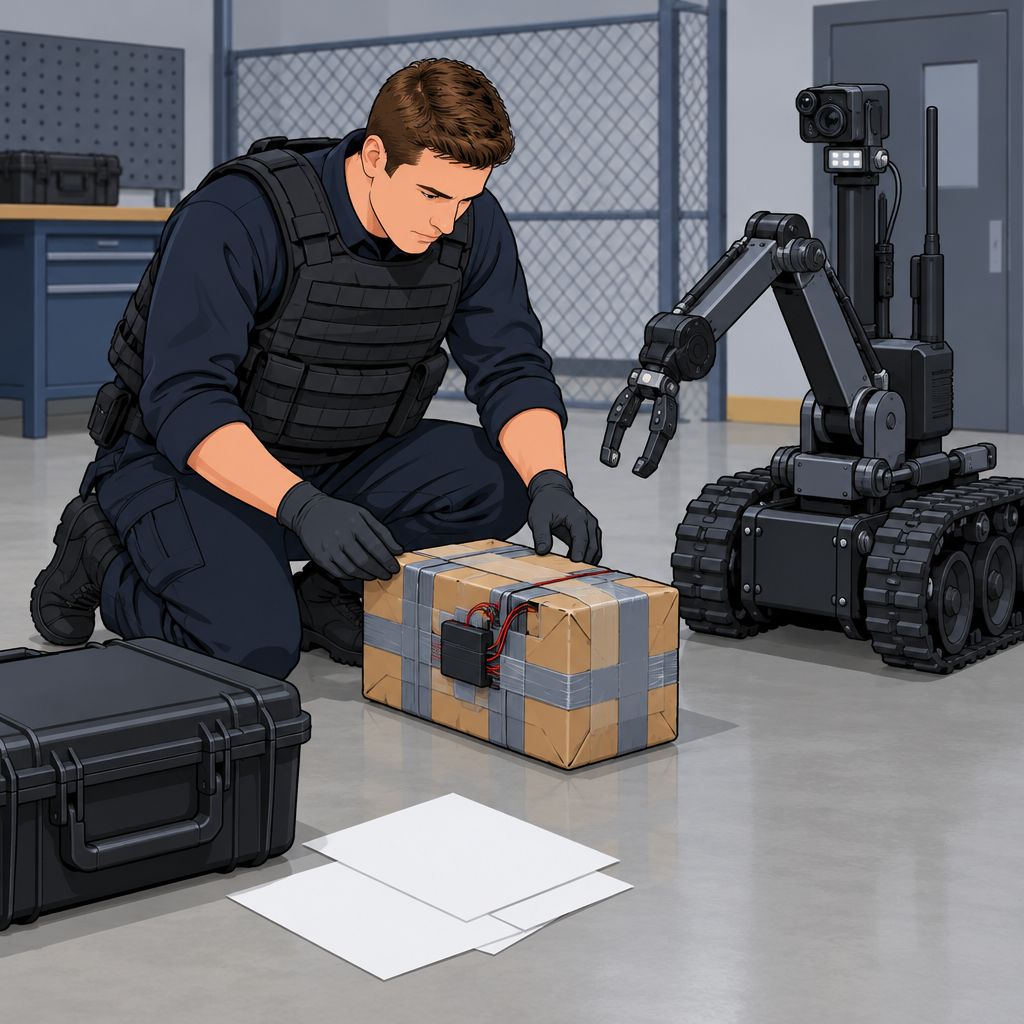
- They use robots and x-ray machines to inspect threats from a safe distance.
Responding to a bomb threat or suspicious package requires intense focus and precision.
- Every team member makes calculated and deliberate decisions throughout the response.
- Technicians leave no room for error when handling explosive devices or potential threats.
- They work quickly and methodically to neutralize threats and protect the public.
You Might Also Like: How Security Consultants Improve Business Safety
Training and Skill Development
Bomb squad technicians complete extensive training and certification programs before performing their specialized duties.
These programs prepare them to manage dangerous tasks through careful procedures.
Training covers explosives handling, bomb identification, and disposal procedures.
It also develops physical readiness for the job’s demanding requirements.
Additionally, technicians pursue ongoing education to remain current with detection and disposal technologies.
They may attend workshops, conferences, and seminars about bomb disposal and related topics.
Technicians continually strengthen their abilities in risk assessment, communication, and teamwork.
Specialized equipment and tools help technicians handle explosive devices safely.
For example, bomb suits, X-ray machines, and robotics support remote-controlled bomb disposal.
Technicians also learn to operate disruptors, specialized tools for safely detonating explosive devices.
Finally, their training covers chemical, biological, radiological, and nuclear threats.
They also learn appropriate responses to these CBRN threats.
Uncover the Details: Navigating the TSA Officer Promotion Process
Bomb squad technicians assess threats and make critical decisions during high-pressure bomb disposal operations.
Moreover, rigorous preparation helps them evaluate dangers and choose appropriate responses.
They balance technical information, time limits, teamwork, and public safety throughout each operation.
Assessing the Level of Threat
- First, technicians analyze information from the scene to determine the explosive device’s threat level.
- They evaluate the explosive type, device complexity, and possible triggers.
- Using specialized equipment and expertise, the team estimates the blast radius and potential damage.
- Meanwhile, technicians consider nearby civilians, property, and environmental conditions.
Factors Influencing Decision Making
- Time constraints often require technicians to act quickly while neutralizing the threat.
- Additionally, training and experience support informed decisions during stressful situations.
- Clear communication enables team members to assess conditions and develop an action plan.
- Past experience and explosive knowledge help technicians recognize patterns and make rapid judgments.
Critical Thinking Skills
- Strong critical thinking helps technicians analyze information, identify risks, and develop effective solutions.
- They must adapt quickly when changing circumstances affect the operation.
- Furthermore, technicians prioritize tasks according to the highest level of risk.
- Careful attention to detail helps the team identify threats and apply necessary precautions.
Learn More: Educational Background for Aspiring Secret Service Agents
Collaboration and Communication
Bomb squad technicians coordinate closely with law enforcement agencies and first responders to protect people during dangerous incidents.
Clear communication helps these professionals prevent misunderstandings and errors during bomb defusal operations.
They exchange information so each team understands its responsibilities and supports a coordinated response.
Teamwork During Critical Operations
Teamwork helps technicians make quick decisions during high-pressure situations.
Additionally, cooperation between agencies provides access to shared expertise and resources.
Transform Your Career Today
Unlock a personalized career strategy that drives real results. Get tailored advice and a roadmap designed just for you.
Start NowStrong coordination improves the likelihood of safe and successful outcomes.
- Teamwork supports quick decisions during high-pressure situations.
- Agency cooperation allows teams to share expertise and resources.
- Coordinated efforts improve the chances of successful outcomes.
Coordinated Responses to School Threats
A bomb threat at a local school demonstrated the value of coordinated action.
The bomb squad worked with school staff, police, and firefighters to evacuate the premises.
Through clear communication and strategic planning, the teams located and safely defused the device.
- School staff, police, and firefighters helped evacuate the premises.
- Clear communication supported the search and defusal process.
- The collaboration minimized disruption and protected everyone involved.
Effective collaboration helps bomb squad technicians and emergency agencies manage potential threats while protecting public safety.
Find Out More: Cybersecurity Specialist: Best Strategies for Risk Management
Dealing with Stress and Trauma
- Mental Health Challenges
- Bomb squad technicians face immense pressure and anxiety because their work involves serious danger.
- Furthermore, constant exposure to life-threatening situations can cause PTSD and other mental health issues.
- Impact on Personal Lives
- Stress and trauma from the job can affect technicians’ relationships and overall well-being.
- They may experience sleep difficulties, irritability, and emotional detachment from loved ones.
- Resources and Support
- Many bomb squad units provide access to mental health professionals who specialize in treating first responders.
- These therapists help technicians develop coping strategies, manage stress, and process traumatic experiences.
- Additionally, peer support groups provide a confidential space for technicians to share their challenges.
- Training programs also build mental health awareness and resilience, helping technicians navigate stress and trauma.
Public Education and Outreach
Bomb squad technicians engage communities to explain their specialized work.
They raise awareness about bomb safety and prevention.
This outreach helps communities understand important safety responsibilities.
Community Engagement
Technicians participate in safety fairs, school presentations, and neighborhood watch programs.
They work with law enforcement agencies, schools, businesses, and community organizations.
These conversations address concerns and correct misconceptions about bomb threats and emergencies.
- Technicians participate in safety fairs, school presentations, and neighborhood watch programs.
- They engage law enforcement agencies, schools, businesses, and community organizations.
- They address community concerns and misconceptions about bomb threats and emergencies.
Outreach Programs and Demonstrations
Technicians demonstrate their equipment, procedures, and safety protocols for public audiences.
They design outreach programs for schools, businesses, and emergency responders.
These programs show why people should follow safety guidelines and report suspicious activity.
- Technicians demonstrate equipment, procedures, and safety protocols to the public.
- They provide outreach programs for schools, businesses, and emergency responders.
- These programs encourage people to follow safety guidelines.
- They also encourage people to report suspicious objects or activities.
Importance of Public Education
Public education strengthens community preparedness and responses to potential threats.
Awareness encourages individuals to take proactive safety measures.
It also helps people remain vigilant when they identify suspicious items.
- Education improves community preparedness for potential threats.
- Awareness empowers individuals to take proactive safety measures.
- Vigilance helps people identify suspicious items.
- Public education can reduce accidents, injuries, and casualties during bomb threats or explosions.
Through these efforts, technicians help build safer and more resilient communities.
They also help communities respond more effectively to potential threats.
Daily Responsibilities in Bomb Squad Work
A bomb squad technician begins each workday by reviewing pending missions.
The technician also checks specialized equipment before handling assigned responsibilities.
This preparation supports careful decisions throughout the day.
Investigating Suspicious Packages
Technicians investigate suspicious packages as one important part of their duties.
They use specialized tools to examine potential threats carefully.
Afterward, they work to neutralize dangers while protecting public safety.
Practicing for Dangerous Scenarios
Training exercises help technicians maintain their readiness for different situations.
They practice varied scenarios to strengthen their professional skills.
Regular practice helps the team respond with control and precision.
Cooperation During Public Safety Operations
Bomb squad technicians work with other law enforcement agencies during operations.
These agencies coordinate their efforts to support public safety.
Although the work remains challenging, technicians value its meaningful purpose.
Additional Resources
Google search results for Day in the Life of a Bomb Squad Technician Protective Services
Bing search results for Day in the Life of a Bomb Squad Technician Protective Services


