




Wildland Firefighting and Climate Change
Wildland firefighters tackle and extinguish fires in natural environments, including forests and grasslands.
Meanwhile, climate change involves long-term changes in temperature, precipitation patterns, and extreme weather events.
Consequently, climate change directly correlates with wildland fire frequency and intensity.
History of Wildland Firefighting
Wildland firefighting has a long history, beginning when early humans used primitive methods to combat wildfires.
As civilizations developed, communities created more organized approaches and improved their firefighting techniques.
These efforts eventually produced fire departments, specialized crews, and modern tools for fire suppression.
Evolution of Wildland Firefighting Techniques and Equipment
In earlier periods, firefighters relied on hand tools such as axes, shovels, and hoses.
Technological advances now provide helicopters, air tankers, bulldozers, and other heavy machinery.
Additionally, training programs and certifications prepare firefighters with essential skills for suppression work.
Changes in Fire Behavior and Intensity Over the Years
Wildfires now behave more unpredictably and aggressively as environmental conditions change.
Drought, high winds, and heavy fuel loads can intensify fires and challenge suppression efforts.
Moreover, the expanding urban-wildland interface raises the risk of fires reaching populated areas.
Climate Change and Wildfire Frequency
Climate change has increased wildfire risks by raising temperatures and altering precipitation patterns.
Extended dry periods and warmer weather have lengthened fire seasons in various regions.
Consequently, more frequent and severe fires strain firefighting resources and personnel.
Adapting Wildland Firefighting for the Future
Wildland firefighting continues to adapt as changing conditions create new suppression challenges.
Therefore, preparedness, collaboration, and resilience remain essential for effective wildfire response.
Understanding this history supports sustainable solutions for safer environments.
Effects of Climate Change on Wildfires
Climate change significantly affects wildfire frequency and intensity worldwide.
These climate changes influence wildland firefighting efforts.
Consequently, changing fire conditions create greater challenges for response teams.
Increased Temperatures and Drier Conditions
Rising global temperatures cause more frequent and prolonged heatwaves.
These heatwaves dry vegetation and soil over longer periods.
As a result, dry conditions increase ignition risks and support faster wildfire spread.
Changing Precipitation Patterns and Fuel Moisture
Climate change alters rainfall patterns across different regions.
Some regions consequently experience more frequent and intense droughts.
Reduced fuel moisture leaves forests and grasslands more vulnerable to ignition and rapid fire spread.
Stronger Winds and Faster Fire Spread
Atmospheric circulation changes can produce stronger and more erratic winds during wildfire events.
These winds can spread fires quickly across large distances.
Therefore, firefighting teams face greater difficulty containing and controlling them.
Climate Change and Wildfire Management
Climate change makes firefighting efforts more challenging.
It also places firefighters at greater risk during wildfire operations.
Policymakers, communities, and fire agencies must cooperate to improve wildfire management strategies.
Find Out More: Effective Communication for Campus Security Officers
Challenges Faced by Wildland Firefighters
Wildland firefighters face demanding conditions as they confront wildfires intensified by climate change.
These pressures affect containment efforts while placing serious demands on firefighter health and safety.
Several connected challenges require sustained support from agencies, policymakers, communities, and the public.
- Fire seasons last longer and produce more intense conditions.
- Firefighters often have limited resources and manpower.
- Smoke exposure and extreme heat create serious health risks.
First, fire seasons now last longer and bring more intense conditions.
Rising temperatures and shifting precipitation patterns contribute to more frequent and widespread wildfires.
Consequently, firefighters work longer periods while confronting increasingly dangerous environments.
Transform Your Career Today
Unlock a personalized career strategy that drives real results. Get tailored advice and a roadmap designed just for you.
Start NowMeanwhile, agencies often lack enough aircraft, equipment, and personnel for the growing demand.
As fires increase in frequency and severity, available firefighting resources can fall short.
This shortage may delay responses and make containment harder before fires spread beyond control.
Furthermore, smoke exposure creates respiratory risks for wildland firefighters.
Smoke inhalation can cause respiratory problems and worsen existing health conditions.
Extreme heat can also cause heat stress and other heat-related illnesses.
Therefore, firefighters need proper training, equipment, and field support.
Effective preparation requires coordinated action among agencies, policymakers, communities, and the public.
Such cooperation can strengthen firefighter resources, support, and protection during increasingly difficult wildfire operations.
Find Out More: U.S. Marshals' Role in Witness Protection
Prescribed Burns for Fuel Management
Prescribed burns help manage fuel levels in wildland areas and reduce the risk of large wildfires.
These controlled burns require careful planning and execution to mimic natural fire cycles within ecosystems.
Additionally, prescribed burns rejuvenate vegetation, promote biodiversity, and improve overall ecosystem health.
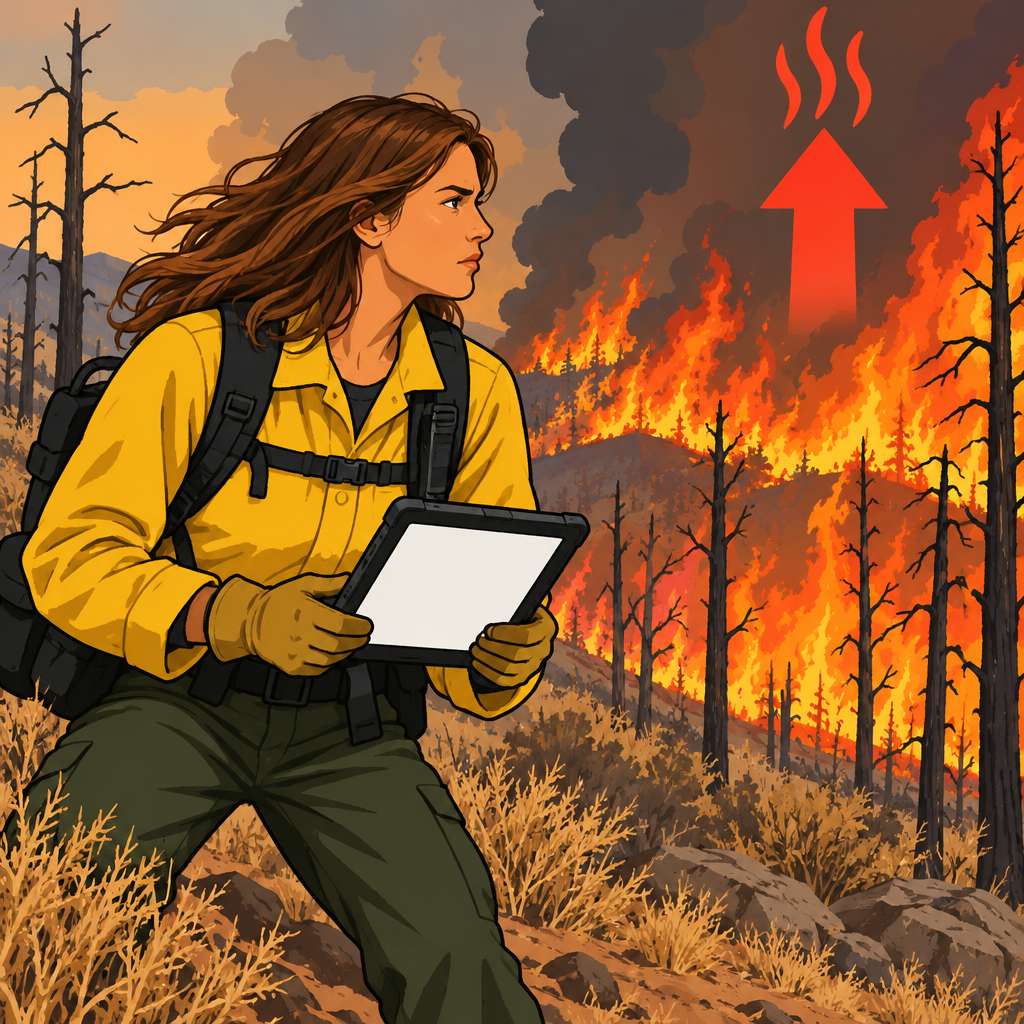
Firefighter Training and Resources
Ongoing firefighter training prepares personnel to face challenges associated with climate change.
This training covers new firefighting techniques, equipment, and strategies for managing extreme weather conditions.
Furthermore, modern technology and adequate resources improve firefighter effectiveness during wildfire response efforts.
Coordinated Wildfire Response Efforts
Effective wildfire response requires collaboration among agencies, organizations, and other stakeholders.
Through collaboration, these groups share resources, information, and expertise to respond more efficiently.
Joint response plans, training exercises, and coordinated communication can strengthen collective wildfire response efforts.
Gain More Insights: Importance of Physical Fitness in Bodyguarding
Impact on Ecosystems and Biodiversity
Climate change intensifies wildfires, which destroy habitats and reduce biodiversity across affected ecosystems.
These losses can disrupt ecological balance and create lasting consequences for natural communities.
Moreover, wildfire damage can affect wildlife populations and relationships within ecosystems.
- Frequent, severe wildfires destroy natural habitats and reduce biodiversity, creating lasting ecological imbalances.
- Wildfires can harm wildlife populations, threaten species with extinction, and disrupt interdependencies within natural ecosystems.
- Additionally, climate change can degrade ecosystem health and make recovery more difficult.
Therefore, climate change affects wildland firefighting beyond the immediate dangers of fire suppression.
It also reaches ecosystems and biodiversity, altering the balance of the natural world.
Find Out More: Role of Counterterrorism Specialists in Homeland Security
Mitigation Efforts and Future Outlook
Wildland firefighting agencies actively work to reduce climate change impacts on wildfires.
Policymakers and researchers develop strategies that address wildfire risks and changing environmental conditions.
Communities also support mitigation through preparation, cooperation, and public education.
Policy Initiatives for Climate and Wildfire Risks
Carbon reduction policies can decrease greenhouse gas emissions and support broader climate goals.
Wildfire management plans can include climate adaptation strategies for changing conditions.
Sustainable land management regulations can help address wildfire risks over time.
- Agencies can implement carbon reduction policies to decrease greenhouse gas emissions.
- Policymakers can integrate climate adaptation strategies into wildfire management plans.
- Regulators can promote sustainable land management practices through clear requirements.
- Governments can invest in renewable energy sources to reduce fossil fuel reliance.
Innovative Technologies and Fire Management Approaches
Researchers are exploring technologies that improve wildfire detection and response.
These efforts include aerial monitoring, satellite observation, and predictive modeling tools.
Other approaches focus on reducing ignition risks and limiting fire spread.
- Researchers are exploring drones and satellite technology for early wildfire detection.
- Builders can use fire-resistant materials and landscaping techniques near vulnerable areas.
- Experts can use modeling and simulation tools to analyze predictive fire behavior.
- Fire managers are investigating prescribed burns and vegetation thinning as management methods.
Community Engagement and Wildfire Preparedness
Community involvement strengthens wildfire preparation in areas facing elevated fire risks.
Education helps residents understand fire hazards, safety measures, and prevention practices.
Coordinated planning also supports effective evacuation and emergency response.
- Education programs can raise awareness about fire risks and safety measures.
- Community wildfire plans can establish evacuation routes and emergency shelters.
- Residents can receive training in fire prevention, firefighting, and emergency response protocols.
- Local authorities and fire departments can coordinate disaster response efforts.
Stakeholders must continue collaborating and innovating as climate conditions change.
Effective policies, new technologies, and community engagement can support greater wildfire resilience.
Transform Your Career Today
Unlock a personalized career strategy that drives real results. Get tailored advice and a roadmap designed just for you.
Start NowExtended Operational Demands for Wildland Firefighters
Climate change creates longer and more demanding periods for wildland firefighting.
Earlier snowmelt can extend the fire season and require firefighters to remain prepared longer.
Meanwhile, rising temperatures and prolonged droughts make fires harder to contain and extinguish.
Extreme heat and strong winds can further complicate firefighting efforts.
Additionally, changing conditions make fire behavior more difficult to anticipate.
Consequently, wildfires may last longer and cause greater damage to communities and ecosystems.
Strengthening Preparedness for Changing Fire Conditions
Proactive measures can help address climate change and reduce wildfire risks.
Continued research can improve understanding of changing fire conditions.
Furthermore, collaboration can help firefighting agencies and communities respond more effectively.
These efforts remain important as climate change continues to influence wildland firefighting.
Additional Resources
Google search results for Impact of Climate Change on Wildland Firefighting Protective Services
Bing search results for Impact of Climate Change on Wildland Firefighting Protective Services


