



Introduction
TSA officers play a crucial role in ensuring airport security.
They screen passengers and luggage efficiently.
Collaboration with other security agencies is essential.
This teamwork ensures comprehensive security measures.
Overview of TSA officers’ responsibilities
- Screening passengers and luggage
- Monitoring security checkpoints
- Implementing security protocols
Collaboration among security agencies is essential to enhance national security measures.
TSA officers play a crucial role in this collaboration by working closely with other security agencies.
They ensure a comprehensive approach to security.
Sharing intelligence
TSA officers collaborate with agencies such as the FBI and Department of Homeland Security to share intelligence on threats.
By pooling resources and information, security agencies can stay ahead of evolving threats.
Joint training exercises
Collaborative training exercises involve TSA officers, local law enforcement, and other agencies to simulate real security scenarios.
This helps test response times and coordination between agencies.
Coordinating response efforts
During security threats or emergencies, TSA officers work hand in hand with other agencies to coordinate responses.
This ensures a unified and effective reaction to any situation.
Conducting joint operations
TSA officers participate in joint operations with agencies like the Drug Enforcement Administration and U.S. Customs and Border Protection.
These operations target specific threats or areas of concern.
Technology integration
Collaboration with the Transportation Security Operations Center allows TSA officers to use cutting-edge technology for threat detection.
This integration enhances overall security measures.
Information sharing platforms
Through platforms like the Homeland Security Information Network, TSA officers quickly share critical information with other agencies.
This real-time data sharing improves situational awareness and response capabilities.
The collaboration between TSA officers and other security agencies is vital for safeguarding the nation against threats.
By working together, these agencies create a seamless security network that enhances safety and protection.
Examples of security agencies that TSA officers collaborate with:
- Federal Air Marshals
- Customs and Border Protection
- Local law enforcement agencies
Federal Air Marshals
TSA officers often collaborate with Federal Air Marshals to enhance security in airports.
They work together to ensure the safety of passengers and crew members.
These marshals are armed law enforcement officers trained to respond to threats in the air.
Customs and Border Protection
Collaboration between TSA officers and Customs and Border Protection (CBP) is crucial for securing the nation’s borders.
CBP officers enforce customs, immigration, and agricultural laws.
By working together, TSA and CBP can prevent illegal goods and individuals from entering the country.
Local law enforcement agencies
Local law enforcement agencies support TSA officers in maintaining airport security.
They respond to security incidents, conduct investigations, and provide additional manpower during high-risk situations.
By collaborating with local law enforcement, TSA officers ensure a swift and coordinated response to threats.
Delve into the Subject: Specialized Units within the Border Patrol
Importance of Collaboration in Preventing Security Threats
- Sharing intelligence and information
- Enhancing security measures
- Responding to potential threats effectively
Collaboration among TSA officers and other security agencies plays a crucial role in preventing security threats.
It helps ensure the safety of passengers and airport personnel.
By working together, these agencies share intelligence and information.
They enhance security measures.
They respond to potential threats effectively.
Sharing Intelligence and Information
One key benefit of collaboration is sharing intelligence and information among different agencies.
TSA officers work closely with agencies such as the FBI, CIA, and local law enforcement.
They gather and analyze intelligence related to potential security threats.
Pooling resources and sharing information helps identify and mitigate security risks before escalation.
Transform Your Career Today
Unlock a personalized career strategy that drives real results. Get tailored advice and a roadmap designed just for you.
Start NowEnhancing Security Measures
Collaboration allows TSA officers to enhance security measures at airports and transportation hubs.
Working with other security agencies improves screening procedures.
They implement new technologies and develop strategies to address emerging threats.
Together, agencies stay ahead of evolving security risks and ensure travelers’ safety.
Effective Response to Potential Threats
During a security threat or incident, collaboration among TSA officers and other agencies is essential for an effective response.
Coordinating efforts and resources allows quick situation assessment and resource deployment.
Clear communication helps contain the threat quickly.
This collaboration minimizes incident impact and ensures a swift, coordinated response.
Collaboration among TSA officers and security agencies is vital for preventing threats and maintaining public safety.
Sharing intelligence, enhancing security, and responding effectively protect passengers, airport staff, and critical infrastructure.
Delve into the Subject: Ethical Dilemmas Faced by DEA Agents
Training and Coordination between TSA Officers and Other Agencies
When it comes to ensuring the security and safety of travelers, collaboration is crucial.
TSA officers work closely with other security agencies to enhance safety measures.
This collaboration includes joint exercises, communication protocols, and cross-training opportunities.
Joint Exercises and Simulations
TSA officers collaborate through joint exercises with other security agencies.
These exercises simulate real situations to test coordination and response capabilities.
Practicing together helps identify and address potential gaps in procedures.
These improvements occur before any real emergency happens.
Communication Protocols
Effective communication is a key factor in security operations.
TSA officers establish clear communication protocols with other agencies.
They define roles and responsibilities to avoid confusion during operations.
Clear lines of communication ensure timely and secure information sharing.
Standardized protocols help agencies coordinate efforts efficiently.
This approach enables quick responses to security threats.
Cross-Training Opportunities to Improve Collaboration
To increase effectiveness, TSA officers engage in cross-training with other agencies.
This training familiarizes them with different agencies’ procedures and practices.
Learning these protocols improves collaboration during joint operations.
Cross-training also enhances individual officers’ skills.
It fosters a deeper understanding of each agency’s roles and responsibilities.
Enhancing Security through Collaborative Training and Coordination
Training and coordination are vital for the safety of travelers.
Joint exercises improve coordination and readiness for emergencies.
Clear communication protocols ensure efficient and timely responses.
Cross-training strengthens skills and promotes better understanding among agencies.
Together, these efforts boost collaboration in various security scenarios.
Find Out More: How to Stay Updated as a Counterterrorism Specialist
Challenges in Collaboration with Other Security Agencies
- Differences in protocols and procedures
- Communication barriers
- Balancing responsibilities with other agencies
Collaborating with other security agencies presents its own set of challenges for TSA officers.
One major challenge is the differences in protocols and procedures followed by each agency.
While TSA officers may be accustomed to a specific set of rules, other agencies may have their own regulations to abide by.
This can lead to confusion and misunderstandings if not addressed and clarified upfront.
Communication barriers also pose a significant challenge in collaborating with other security agencies.
Transform Your Career Today
Unlock a personalized career strategy that drives real results. Get tailored advice and a roadmap designed just for you.
Start NowEffective communication is crucial in ensuring a smooth and efficient operation between agencies.
Language barriers, different communication styles, and lack of clear channels of communication can hinder collaboration efforts.
Another challenge faced by TSA officers is balancing their responsibilities with those of other agencies.
Each agency has its own priorities and objectives, which may not always align with those of the TSA.
It is important for officers to find a balance between their duties within the TSA and those required for collaborative efforts.
Despite these challenges, successful collaboration with other security agencies is essential for ensuring the safety and security of the traveling public.
By addressing differences in protocols, improving communication, and finding common ground with other agencies, TSA officers can enhance their effectiveness in protecting the nation's transportation systems.
Find Out More: Cybersecurity Specialist: How to Handle Cyber Attacks
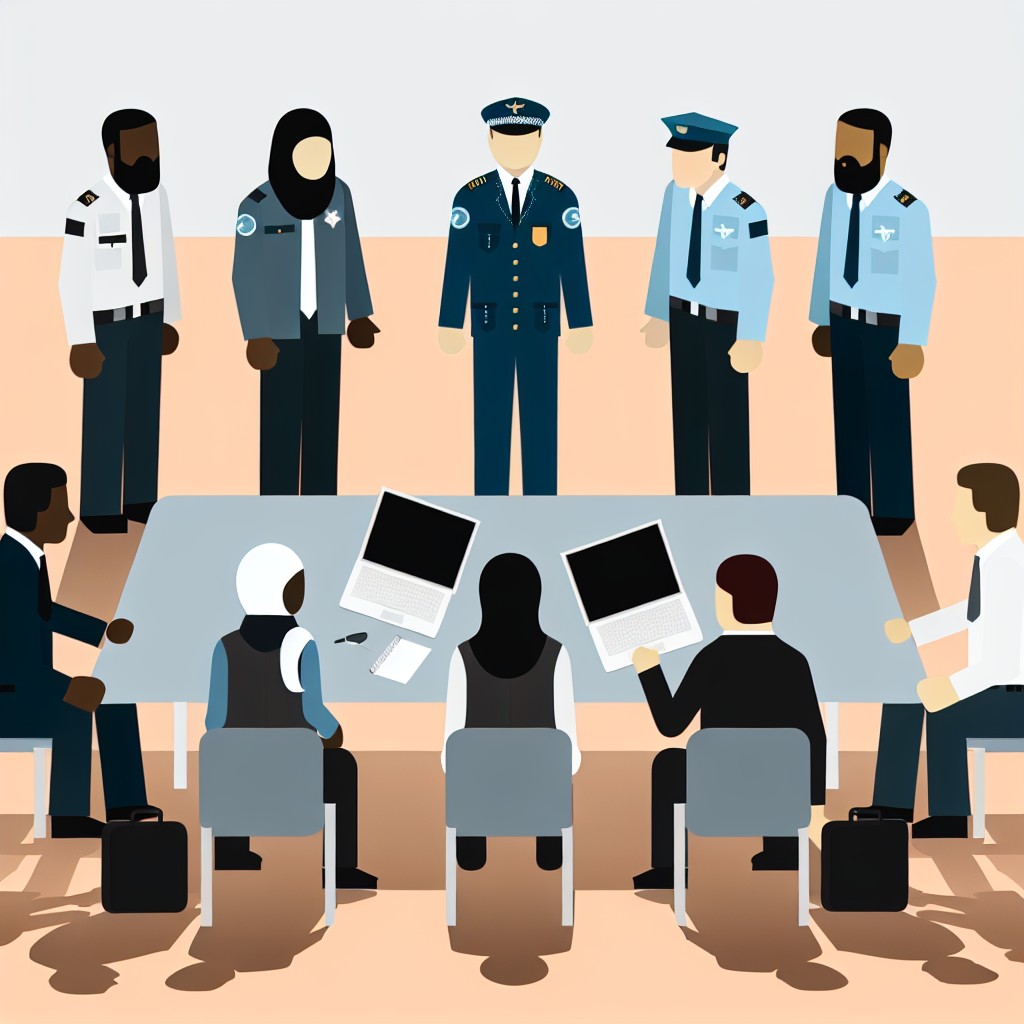
Success stories of collaboration between TSA officers and other agencies
- Foiling potential terrorist attacks
- Intercepting illegal substances and contraband
- Rescuing individuals in distress
Foiling potential terrorist attacks
TSA officers work closely with agencies like the FBI to gather intelligence.
They prevent terrorist plots before they can unfold.
By sharing information and coordinating efforts, these agencies have stopped numerous attacks.
They have successfully prevented attacks on American soil.
Intercepting illegal substances and contraband
Collaboration between TSA officers and agencies such as the DEA has led to interceptions at airports.
They intercept illegal drugs and contraband effectively.
These partnerships conduct thorough searches.
They utilize advanced detection technology to keep dangerous substances out of circulation.
Rescuing individuals in distress
In emergencies, TSA officers coordinate with local law enforcement and medical services.
They provide aid to individuals in distress.
Whether it is a medical emergency or a security threat, these teams save lives.
They ensure the safety of passengers and airport personnel.
The success stories demonstrate the importance of teamwork in public safety and security.
By pooling resources, sharing information, and coordinating responses, these partnerships prove invaluable.
They protect the traveling public and prevent potential threats effectively.
Strategies for Improving Collaboration Between TSA Officers and Other Security Agencies
- Regular meetings and debriefings
- Establishing mutual trust and respect
- Implementing technology for information sharing
One of the most effective ways to improve collaboration between TSA officers and other security agencies is to have regular meetings and debriefings.
These meetings provide an opportunity for officers to discuss current challenges.
Officers also share best practices and coordinate efforts to enhance security measures.
By regularly meeting and debriefing, TSA officers and other security agencies can stay informed about each other’s activities.
This helps them work together more efficiently to address potential threats.
Building trust and respect between TSA officers and other security agencies is essential for effective collaboration.
Trust allows officers to feel comfortable sharing information, insights, and intelligence with one another.
This leads to better coordination and response to security threats.
Respect ensures that each agency’s expertise and contributions are valued.
It fosters a culture of cooperation and teamwork in addressing security challenges.
Utilizing technology for information sharing is crucial for enhancing collaboration between TSA officers and other security agencies.
By implementing secure communication channels, databases, and information-sharing platforms, officers can quickly and efficiently exchange critical intelligence and data.
Technology also allows for real-time updates, analysis of threat intelligence, and coordination of security operations.
This enables swift and effective responses to potential security threats.
By implementing these strategies—regular meetings and debriefings, establishing mutual trust and respect, and using technology for information sharing—TSA officers can strengthen collaboration with other security agencies.
These efforts enhance security measures and ensure a safer travel environment for all.
Importance of Collaboration in Maintaining Airport Security
Collaboration between TSA officers and other security agencies is crucial.
Transform Your Career Today
Unlock a personalized career strategy that drives real results. Get tailored advice and a roadmap designed just for you.
Start NowThey work together to ensure the safety and security of airports.
By sharing information, resources, and expertise, these agencies identify and prevent threats effectively.
Through collaboration, TSA officers leverage the capabilities of other agencies.
This joint effort creates a comprehensive security approach.
It enables quick and coordinated responses to potential threats.
Moreover, collaboration fosters teamwork and unity among security personnel.
This leads to improved communication and coordination during operations.
TSA officers and agencies working in tandem strengthen security protocols.
They minimize vulnerabilities at airports through joint efforts.
The collaborative work plays a vital role in maintaining airport security.
This collective approach enhances the resilience of airport security systems.
It helps safeguard passengers, airline staff, and airport personnel from threats.
Encouraging Continued Cooperation Among Security Agencies
It is essential to emphasize ongoing cooperation between TSA officers and agencies.
Effective security depends on continuous teamwork and resource sharing.
These agencies must communicate effectively to maintain strong security measures.
I encourage TSA officers and other agencies to prioritize collaboration.
Building strong partnerships enhances airport security significantly.
Fostering cooperation and coordination strengthens security protocols.
This will address emerging threats more efficiently.
Together, we can protect the safety of all individuals at airports.
Additional Resources
U.S. Customs and Border Protection | U.S. Customs and Border …
Frequently Asked Questions | Transportation Security Administration