Introduction
The Secret Service is an elite law enforcement agency protecting high-ranking officials, including the President.
However, its duties extend beyond presidential protection.
The agency also safeguards other prominent individuals.
Brief Overview of the Secret Service
Established in 1865, the Secret Service initially focused on combating currency counterfeiting.
Over time, the agency expanded its responsibilities to include protective duties.
Today, the agency operates under the Department of Homeland Security.
The Secret Service’s Protective Role
Secret Service agents undergo rigorous training to protect their assigned individuals.
They use advanced security measures, threat assessment, and intelligence gathering to reduce potential risks.
Additionally, agents coordinate with other law enforcement agencies during security operations.
They also respond to emergencies involving their assigned protectees.
Secret Service agents handled one of the most famous cases involving President Abraham Lincoln’s assassination.
Background on the Assassination
In 1865, the Secret Service did not have presidential protection duties.
However, John Wilkes Booth shot President Lincoln at Ford’s Theatre.
As a result, President Lincoln died, and the nation faced a tragic loss.
- The assassination led to increased security measures for future presidents.
- President Lincoln’s death exposed the dangers facing political leaders.
- The event encouraged officials to strengthen presidential security.
Impact of the Assassination
President Lincoln’s assassination significantly affected the Secret Service.
Afterward, officials placed greater emphasis on protecting presidents and other high-ranking officials.
Furthermore, the event encouraged stronger security practices at public events.
Creation of Protective Duties
Following the assassination, the Secret Service received presidential protection responsibilities.
These duties also included protecting other high-ranking officials.
Therefore, the agency expanded its role beyond its earlier responsibilities.
Implementation of Security Measures
The assassination demonstrated the need for stronger security at public events.
Officials also recognized the importance of securing venues where the President appeared.
Consequently, security planning became more important during presidential appearances.
Enhanced Training for Agents
Secret Service agents received additional training after the assassination.
This training helped agents handle security threats more effectively.
It also supported their responsibility to protect the President.
Legacy of the Assassination
The assassination became a turning point for the Secret Service.
It shaped the agency’s developing role in presidential protection.
Moreover, its effects continued through later security practices.
Focus on Preventive Measures
After the assassination, the Secret Service emphasized preventive security measures.
These measures aimed to protect the President from potential threats.
As a result, prevention became an important part of presidential protection.
Ongoing Security Protocols
Security protocols developed after the assassination remain important.
They support the protection of the President and other prominent individuals.
Additionally, these protocols continue to guide security efforts.
Historical Significance
President Lincoln’s assassination remains significant in American history.
The event highlighted the importance of protecting political leaders.
Ultimately, it influenced the Secret Service’s protective responsibilities.
Attempted Assassination of President Ronald Reagan
John Hinckley Jr. attempted to assassinate President Ronald Reagan in 1981.
On March 30, 1981, Hinckley fired shots outside the Hilton Hotel in Washington, D.C.
Transform Your Career Today
Unlock a personalized career strategy that drives real results. Get tailored advice and a roadmap designed just for you.
Start NowSecret Service agents responded quickly and took decisive action during the attack.
Their response helped protect the President and limit the danger.
- Secret Service agents quickly responded to the threat.
- They apprehended the shooter after the attack.
- The incident demonstrated the importance of swift protective action.
The shooting sent shockwaves across the nation.
It also became one of the most notable cases involving presidential protection.
Furthermore, the attack underscored the constant dangers facing the highest office.
Security Changes After the Attack
Following the attack, the Secret Service reviewed its security procedures.
The agency implemented enhanced protocols for protecting the President and other high-profile individuals.
These changes included stricter screening processes and increased surveillance of suspicious activities.
Improved coordination with other law enforcement agencies also strengthened protective efforts.
- The attempted assassination prompted a review of security procedures.
- New measures enhanced presidential protection.
- Ongoing training helped agents prepare for future threats.
The incident highlighted the need for continuous training and preparedness.
Agents used lessons from the attack to refine their strategies.
Consequently, the event reinforced the Secret Service’s crucial role in presidential protection.
Delve into the Subject: Border Patrol Agent's Role in Immigration Control
The 1914 White House Gate Incident
In 1914, Francis Ormsby attempted to drive a car into the White House gates.
Secret Service agents remained alert and stopped him before he entered the building.
Therefore, the incident demonstrated why constant vigilance protects high-security locations.
Francis Ormsby’s Grievance Against the Government
Ormsby held a grudge against the government.
He believed officials had wronged him and sought revenge against the government.
By targeting the White House, he attacked a powerful symbol of the government he despised.
The Attempt to Reach the White House Gates
On the day of the incident, Ormsby drove toward the White House gates at full speed.
However, he ignored warnings from security personnel.
His reckless conduct immediately raised alarms among agents stationed at the premises.
How Agents Stopped the Vehicle
When Ormsby approached the gates, Secret Service agents moved quickly to stop him.
They blocked his path and prevented him from crossing the building’s perimeter.
Consequently, their decisive response stopped a potentially catastrophic situation.
Security Lessons From the Incident
The incident prompted the Secret Service to reassess its security protocols.
It also reinforced the need for constant vigilance against potential threats.
Prepared agents can respond quickly when someone challenges a protected perimeter.
Protecting the White House and Its Occupants
Secret Service agents play a critical role in protecting prominent figures and high-security locations.
During this incident, their response helped safeguard the building and its occupants.
The event highlighted their dedication and professionalism in carrying out their protective duties.
You Might Also Like: Navigating Career Transitions as a CBP Officer
Threats Facing Presidential Protection
Secret Service agents faced potential assassination attempts against President Barack Obama.
They also managed general security concerns during public events.
Additionally, individuals sometimes attempted to breach security perimeters or threaten the President.
- Agents remained constantly vigilant while monitoring potential risks to the President’s safety.
- Security personnel responded to attempts that challenged established protective boundaries.
- Teams reassessed their tactics as security threats changed.
Agent Responses to Security Risks
Secret Service agents used quick thinking to address potential threats.
Their dedication helped prevent threats from developing into harmful incidents.
Consequently, agents prevented harm from reaching President Obama during his presidency.
Presidential Security Measures
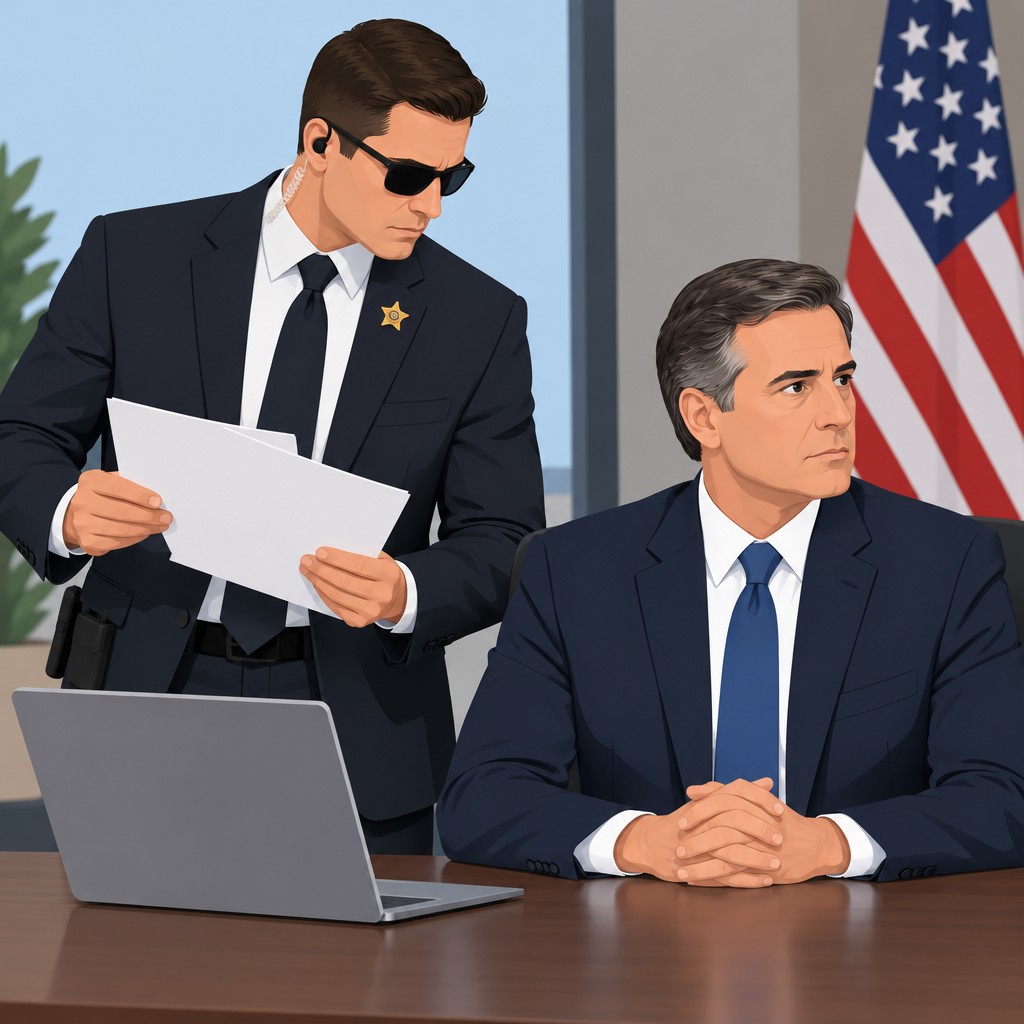
The Secret Service maintained a highly protective security detail throughout Obama’s presidency.
Agents combined physical protection with intelligence gathering.
Transform Your Career Today
Unlock a personalized career strategy that drives real results. Get tailored advice and a roadmap designed just for you.
Start NowThey also used advanced technologies to detect potential threats.
Coordinated Security Procedures
Security personnel coordinated protective activities across multiple settings.
They adjusted procedures for public appearances, rallies, speeches, and international trips.
Furthermore, rigorous training prepared agents for scenarios threatening the President’s safety.
- Agents worked with law enforcement agencies and security personnel to share intelligence.
- Teams established advanced protocols for events involving the President.
- Agents trained rigorously to respond effectively to potential dangers.
Protection Throughout the Presidency
The protective effort demonstrated the agents’ skill and commitment to duty.
Despite numerous threats, agents kept President Obama safe throughout his presidency.
Their vigilance supported consistent protection across changing security conditions.
See Related Content: Certifications for Aspiring Counterterrorism Specialists
Financial Crime Investigations by Secret Service Agents
Secret Service agents investigate financial crimes alongside their protective responsibilities.
Their work addresses fraud and counterfeiting operations that threaten financial stability.
Additionally, these investigations support the integrity of the nation’s financial system.
The Secret Service Maintains a Dual Mission
Agents protect high-profile individuals while investigating crimes that affect the economy.
This combined mission helps them address physical threats and financial dangers.
Furthermore, their responsibilities extend beyond personal protection and include economic security.
Agents Dismantle Fraud and Counterfeiting Operations
Secret Service agents have uncovered numerous fraud and counterfeiting operations.
They use persistent investigative work to dismantle operations that threaten financial integrity.
As a result, their efforts help reduce the harm caused by fraudulent activities.
Investigations Protect Financial System Integrity
Agents examine financial crimes to protect the nation’s financial system.
Their expertise helps safeguard the financial sector from fraudulent activities.
Consequently, their dedication strengthens economic security and supports national security.
Delve into the Subject: Campus Security Officer Certification Programs
Collaboration with Other Law Enforcement Agencies
Secret Service agents collaborate with other law enforcement agencies during protective and security operations.
These partnerships strengthen protection for high-ranking officials and support national security efforts.
Furthermore, joint operations help agencies address threats affecting protectees and the nation.
- Agents share intelligence with partner agencies.
- They coordinate operations against identified threats.
- They pool resources to support national security.
Joint Efforts to Prevent Criminal Activities
The Secret Service works with the FBI and DHS to address serious criminal activities.
Together, these agencies have helped prevent assassination attempts, cybercrimes, and counterfeiting operations.
They share intelligence, coordinate operations, and pool resources to address threats effectively.
As a result, their cooperation supports national security and protects United States interests.
Importance of Agency Partnerships
Partnerships with agencies such as the FBI and DHS strengthen Secret Service operations.
These relationships enable information sharing, expertise exchange, and coordinated responses to potential threats.
The Secret Service actively strengthens these relationships to improve its protective capabilities.
This cooperation helps agents protect the President, Vice President, and other protectees.
It also supports efforts to safeguard national security and critical infrastructure.
Training and Qualifications Required to Become a Secret Service Agent
Secret Service agents protect the President, Vice President, and other high-ranking officials.
They must complete rigorous training and meet specific qualifications.
Becoming a Secret Service agent requires education, training, and personal attributes.
Intensive Training for Secret Service Agents
- Agents develop firearms, combat, and protection skills through intensive training.
- Training uses real-life simulations to prepare agents for potential threats.
- Agents must demonstrate marksmanship, hand-to-hand combat, and defensive driving proficiency.
Education and Relevant Experience
- Aspiring agents must earn a Bachelor’s degree from an accredited institution.
- Criminal justice, law enforcement, and related disciplines provide preferred fields of study.
- Law enforcement or military experience also receives significant consideration.
Background Checks and Physical Fitness Assessments
- Investigators conduct extensive background checks to assess character and record history.
- Candidates must pass thorough medical examinations and physical fitness assessments.
- Physical tests measure endurance, strength, agility, and overall readiness.
Agents must handle high-pressure situations while maintaining professionalism and integrity.
The Continuing Importance of Secret Service Protection
Secret Service agents have handled high-profile cases involving assassination attempts and counterfeit money schemes.
These investigations demonstrate their dedication and bravery while they protect national security.
Meanwhile, agents safeguard the President, Vice President, and other important officials.
Transform Your Career Today
Unlock a personalized career strategy that drives real results. Get tailored advice and a roadmap designed just for you.
Start NowThey use specialized training and expertise to respond swiftly during crisis situations.
Furthermore, agents accept significant personal risks while protecting the country’s leaders.
Their vigilance and professionalism help preserve the nation’s stability and security.
Beyond individual incidents, their work influences the design of security protocols.
Those protocols help strengthen the nation’s broader security infrastructure.
Their service reflects duty, loyalty, courage, and professional integrity.
Additional Resources
Google search results for Famous Cases Handled by Secret Service Agents Protective Services
Bing search results for Famous Cases Handled by Secret Service Agents Protective Services