Border Patrol Agents play a crucial role in immigration control at U.S. borders.
Understanding their duties helps explain how they support effective border security.
This section examines the key responsibilities of Border Patrol Agents in immigration control.
Role of Border Patrol Agents in Immigration Control
Border Patrol Agents patrol the borders to prevent illegal entry into the country.
They use surveillance, apprehension, and inspection to enforce immigration laws.
Additionally, agents detect and apprehend people who attempt illegal entry.
They also help prevent drug smuggling and human trafficking at the border.
Importance of Understanding Border Patrol Agents’ Duties
Understanding these duties helps the public appreciate Border Patrol Agents’ contributions.
Moreover, this knowledge encourages cooperation between law enforcement and the community.
People can better support agents when they understand their responsibilities and mission.
Key Aspects of Border Patrol Agents’ Work
The required training and qualifications shape how individuals become Border Patrol Agents.
Agents face challenges and risks while carrying out their responsibilities.
Their work affects immigration control and national security.
Furthermore, technology enhances border security and supports agents in their duties.
History and Background of the Border Patrol
The Border Patrol was established in 1924 in response to increased immigration.
Since then, the agency has grown and adapted to changing demands.
Its mission focuses on securing the border and enforcing immigration laws.
- The Border Patrol was established in 1924.
- The agency has evolved to meet changing demands.
- Its mission includes border security and immigration law enforcement.
Responsibilities of Border Patrol Agents
Border Patrol Agents support immigration control through several responsibilities.
They protect the border, prevent unauthorized entry, and address immigration violations.
Their duties require vigilance, adaptability, and knowledge of immigration laws.
Border Security Responsibilities
Agents secure the border to prevent unauthorized entry into the country.
They patrol border areas and monitor activity for possible violations.
Additionally, agents respond to potential threats involving national security.
Methods for Preventing Unauthorized Entry
Agents monitor points of entry and conduct surveillance activities.
They respond to suspicious activity and use technology to detect crossings.
These tactics help agents deter unauthorized entry across the border.
Apprehension of Immigration Violators
Agents apprehend people who violate immigration laws by crossing the border illegally.
They may pursue individuals on foot or by vehicle.
Canines can also assist agents in securing compliance with immigration laws.
Training and Skills for Border Patrol Agents
Border Patrol Agents complete rigorous training before performing their duties.
The training prepares them for immigration control and border security responsibilities.
Agents also develop skills for handling varied and demanding situations.
- Physical fitness supports agents during demanding duties.
- Marksmanship training prepares agents for responsibilities requiring firearms skills.
- Communication skills help agents perform their duties effectively.
- Immigration law training strengthens legal knowledge.
- Border security training supports field responsibilities.
- Cultural awareness training helps agents navigate diverse situations.
Challenges in Border Patrol Work
Border Patrol Agents encounter difficult conditions while carrying out their responsibilities.
Harsh weather and dangerous terrain can make field operations more demanding.
Agents may also encounter armed individuals or drug smugglers.
Therefore, they must remain vigilant and adapt to high-pressure situations.
Public Controversies and Accountability Concerns
The Border Patrol has faced criticism despite its role in immigration control.
Critics have raised allegations involving excessive use of force and migrant mistreatment.
Lack of accountability has also brought additional scrutiny to the agency.
Border Patrol Contributions to Immigration Enforcement
Border Patrol Agents secure the border and help enforce immigration laws.
Transform Your Career Today
Unlock a personalized career strategy that drives real results. Get tailored advice and a roadmap designed just for you.
Start NowThey prevent unauthorized entry and apprehend people who violate immigration requirements.
Their training and dedication support national security responsibilities.
Duties and Responsibilities of Border Patrol Agents
Border Patrol Agents monitor border areas and enforce immigration laws.
They work to prevent unauthorized entry and support national security.
Their responsibilities include patrols, apprehensions, processing, and detention.
- Conducting patrols along the border to prevent illegal crossings
- Apprehending individuals who attempt to enter the country unlawfully
- Processing and detaining individuals who violate immigration laws
Border Patrol Operations
Agents patrol border areas to monitor activity and prevent unauthorized crossings.
They use surveillance techniques and equipment to detect people entering without authorization.
These patrols help agents protect border integrity and address potential security concerns.
Apprehending Unlawful Entrants
When agents encounter unlawful entrants, they apprehend them according to established procedures.
Agents must exercise caution during apprehensions to protect everyone involved.
They follow proper procedures while preventing further unlawful activity.
Processing and Detaining Violators
Agents process and detain people suspected of violating immigration laws.
They collect relevant information and conduct interviews during processing.
Agents document incidents and follow protocols that protect individual rights.
See Related Content: Navigating Career Transitions as a CBP Officer
Use of Technology and Resources
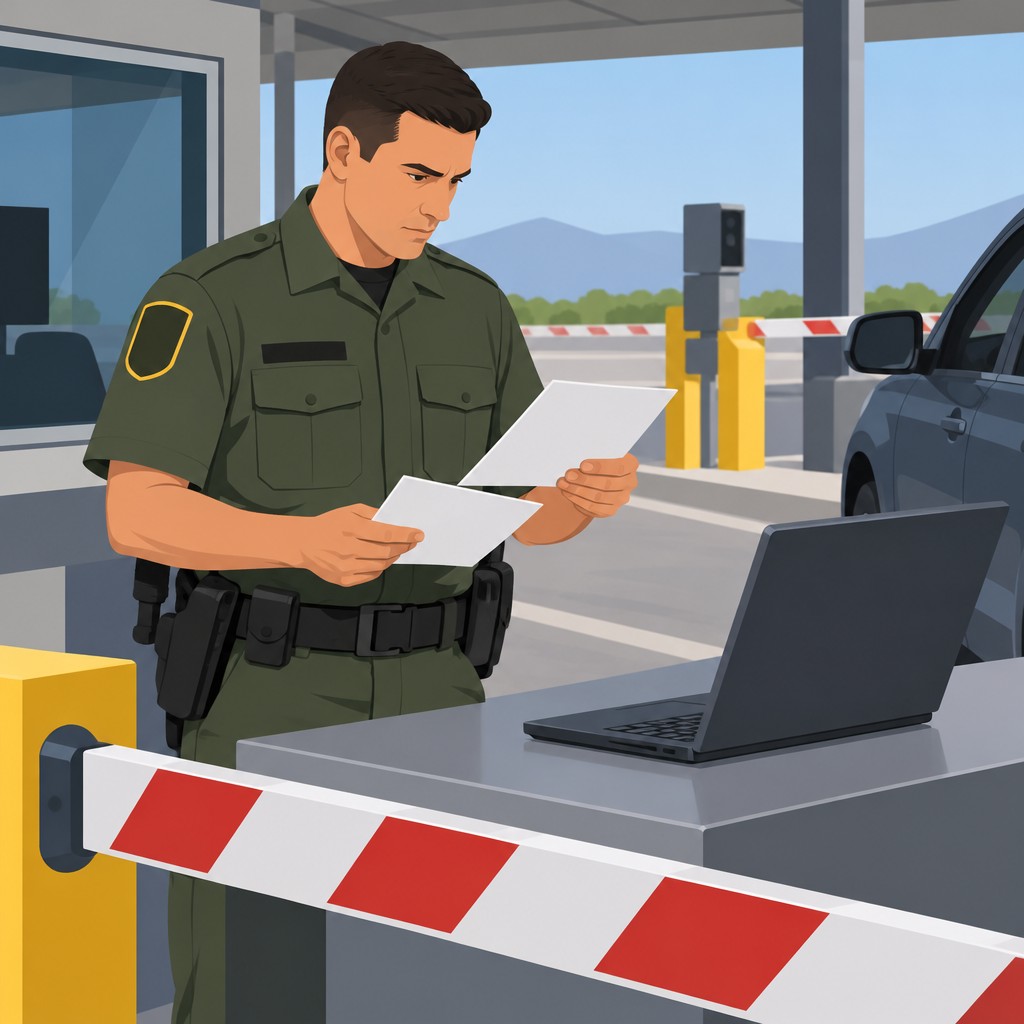
Technology supports agents as they perform border security work.
Various tools help agents operate across difficult environments.
Additionally, agencies share resources and information to coordinate border security efforts.
Overview of Equipment and Tools Used by Border Patrol Agents
Border Patrol Agents use varied equipment to perform their duties effectively.
For example, agents operate ATVs, boats, and helicopters across rugged terrain.
They also use firearms, body armor, and night vision goggles for protection.
Furthermore, radios and cell phones help agents maintain communication.
Technology Used in Border Security
Technology strengthens border security and assists agents during their work.
Drones provide aerial surveillance and deliver real-time information about border activities.
Meanwhile, strategically placed cameras monitor movement and detect potential threats.
Remote sensors detect movement and alert agents about possible unauthorized crossings.
Collaboration with Law Enforcement Agencies and Departments
Border Patrol Agents collaborate with other agencies to support effective border control.
They work with local police, state troopers, ICE, and DEA.
This cooperation enables agencies to share intelligence, resources, and manpower.
As a result, agencies coordinate efforts against illegal immigration and trafficking.
Find Out More: Certifications for Aspiring Counterterrorism Specialists
Challenges Faced by Border Patrol Agents
- Border Patrol agents navigate vast, rugged terrain, which makes their work physically demanding.
- Meanwhile, limited staffing and resources prevent agents from covering every border area effectively.
- Agents also confront dangerous individuals and criminal organizations involved in illegal immigration.
- Some individuals may carry weapons and resist arrest, thereby placing agents at risk.
- Criminal organizations use tunnels, decoys, and other tactics to evade capture.
- Beyond physical threats, agents experience mental and emotional stress from persistent violence risks.
- Additionally, isolation and long patrols in remote areas can harm agents’ well-being.
- Therefore, agents remain vigilant and prepare for situations that may arise during patrols.
- Moreover, evolving tactics used by illegal immigrants and criminal organizations create continuing operational challenges.
- Agents must adapt to these tactics and stay ahead while carrying out immigration control.
Delve into the Subject: Campus Security Officer Certification Programs
Becoming a Border Patrol Agent requires preparation for demanding immigration control responsibilities.
Candidates must satisfy educational, physical, and professional standards before entering this career.
Educational Requirements and Background Screening
Candidates must possess at least a high school diploma or an equivalent credential.
Many candidates pursue a bachelor’s degree in criminal justice or a related field.
This additional education can strengthen their knowledge and professional skills.
Furthermore, every candidate undergoes a thorough background check before appointment.
The screening process examines criminal history and other factors that could affect job performance.
Physical Fitness and Firearms Preparation
Border Patrol Agents must maintain strong physical fitness for the demands of fieldwork.
Transform Your Career Today
Unlock a personalized career strategy that drives real results. Get tailored advice and a roadmap designed just for you.
Start NowApplicants complete a physical fitness test that measures strength, endurance, and agility.
These standards help candidates prepare for physically demanding situations.
Agents also complete extensive firearms training before performing field duties.
The training develops weapon proficiency and prepares agents to manage potentially dangerous situations.
Consequently, this preparation supports the safety of agents and people they encounter.
Continuing Training and Professional Development
Initial qualification does not end an agent’s professional learning.
Instead, agents receive ongoing training and professional development opportunities.
These programs address updated techniques, technologies, and immigration control policies.
Agents can use these opportunities to refine their skills and expand their knowledge.
Moreover, continued development helps them perform their responsibilities more effectively.
Preparation for Border Patrol Service
The qualification process prepares candidates for the challenges of Border Patrol work.
Education and background screening establish foundational eligibility for the position.
Physical conditioning and firearms instruction prepare candidates for demanding field responsibilities.
Finally, continuing development helps agents maintain their capabilities throughout their careers.
See Related Content: Mental Health Resources for Wildland Firefighters
Impact of Border Patrol Agents on Immigration Control
Border Patrol agents influence immigration control through apprehensions, deterrence, and security activities.
Their work addresses unauthorized crossings and related threats at the nation’s borders.
However, public scrutiny continues to shape discussions about their conduct and accountability.
Apprehension Statistics and Border Security
U.S. Customs and Border Protection recorded more than 400,000 apprehensions in 2020.
That figure illustrates the scale of the challenges agents face while securing the nation’s borders.
Additionally, these numbers demonstrate the continuing demands associated with immigration enforcement.
Deterrence and National Security
Border Patrol agents may deter people who consider entering the country illegally.
Their presence communicates that authorities will enforce immigration laws at the border.
Moreover, agents intercept potential threats, including drug traffickers and human smugglers.
Controversies and Accountability Concerns
Despite these responsibilities, Border Patrol agents have faced criticism over their handling of certain situations.
Some allegations involve excessive force and mistreatment of immigrants in custody.
These concerns have intensified calls for stronger oversight and ethical accountability.
Effective border security therefore requires operational capacity alongside meaningful oversight.
Day in the Life of a Border Patrol Agent
Border Patrol agents perform varied duties during their daily work.
They monitor border areas, respond to incidents, and process apprehended individuals.
Their responsibilities combine enforcement, documentation, emergency response, and teamwork.
Typical Duties and Daily Routines
Agents patrol the border to detect and prevent illegal entry.
They also monitor surveillance cameras for suspicious activities.
Additionally, agents inspect vehicles and cargo for contraband.
- Agents patrol the border to detect and prevent illegal entry.
- They monitor surveillance cameras for suspicious activities.
- Agents inspect vehicles and cargo for contraband.
- They respond to emergency calls for assistance.
- Agents process and document apprehended individuals.
Challenges and Rewards of Immigration Enforcement
Immigration enforcement can place agents in dangerous situations and hostile confrontations.
Agents must balance security needs with compassion during difficult encounters.
Although the work creates emotional challenges, successful apprehensions and rescues provide meaningful rewards.
- Agents face dangerous situations and hostile confrontations.
- They deal with the emotional toll of separating families.
- Agents balance the need for security with compassion.
- They work long hours in harsh weather conditions.
- Agents celebrate successful apprehensions and rescues.
Personal Stories from Border Patrol Agents
Agents describe demanding incidents, meaningful reunions, and strong teamwork.
Their experiences also reveal communication challenges during field operations.
Together, these accounts illustrate the varied experiences of border patrol agents.
Transform Your Career Today
Unlock a personalized career strategy that drives real results. Get tailored advice and a roadmap designed just for you.
Start Now- Agent Smith recalls a high-speed chase through rugged terrain.
- Agent Lopez shares a heartwarming reunion between a mother and child.
- Agent Jones reflects on teamwork and camaraderie within the agency.
- Agent Garcia describes the satisfaction of making a difference in border security.
- Agent Rodriguez remembers challenges communicating with non-English speakers.
Building a More Humane Immigration System
Examining Border Patrol Agents’ work clarifies their place in immigration control.
Moreover, recognizing their challenges and responsibilities can inform thoughtful immigration policies.
Public support can help agents perform border security duties and enforce immigration laws.
At the same time, comprehensive policies should address the root causes of migration.
Responsible citizens can study their work and participate in informed immigration policy discussions.
Through continued learning, communities can encourage a more just and humane immigration system.
Therefore, asking questions and staying informed can support policies that reflect shared values.
Additional Resources
Google search results for Border Patrol Agent's Role in Immigration Control Protective Services
Bing search results for Border Patrol Agent's Role in Immigration Control Protective Services