




Community health workers are trained individuals who work within communities to promote health and wellness.
Chronic disease management addresses long-term conditions such as diabetes, hypertension, and asthma.
Role of CHWs in Chronic Disease Management
CHWs support chronic disease management by providing education, guidance, and resources.
They often connect patients with healthcare providers and help patients follow treatment plans.
Additionally, CHWs encourage patients to use preventive care measures.
Importance of Chronic Disease Management
Effective management can improve quality of life for people with chronic diseases.
It can also reduce complications and decrease healthcare costs.
Furthermore, early attention and healthy behaviors help individuals manage their health.
Relationship Between CHWs and Chronic Disease Management
CHWs connect healthcare services with community members.
This connection makes chronic disease management more accessible and personalized.
Through advocacy and support, CHWs empower individuals to make informed care decisions.
The Role of CHWs in Chronic Disease Management
- CHWs educate and support people living with chronic diseases.
- They help patients navigate healthcare systems and access needed resources.
- Additionally, CHWs promote self-care and treatment-plan adherence.
Educating and Supporting Individuals
CHWs explain chronic disease conditions and available treatment options.
They also describe lifestyle changes that support effective disease management.
Furthermore, CHWs provide emotional support and encourage patients facing chronic illness challenges.
Assisting with Healthcare System Navigation
Patients may struggle to navigate complex healthcare systems.
CHWs guide patients through treatment choices and appointment scheduling.
They also connect individuals with necessary services and resources.
Thus, CHWs bridge communication gaps between patients and healthcare providers.
Promoting Self-Care and Treatment Adherence
CHWs encourage self-care practices and adherence to treatment plans.
They collaborate with patients to develop personalized care plans.
These plans reflect each individual’s needs.
Through ongoing support, CHWs encourage treatment adherence and healthy lifestyle choices.
Patients can monitor progress and take greater control of their health.
Consequently, CHWs help improve outcomes and quality of life for individuals with chronic diseases.
Training Programs and Certifications for CHWs
CHWs play a vital role in chronic disease management.
They provide essential support and education to individuals and communities.
Training programs and certifications help CHWs perform responsibilities tailored to their roles.
Skills and Qualities for Effective Chronic Disease Management
CHWs need diverse skills to manage chronic diseases effectively within communities.
They combine communication, empathy, problem-solving, cultural awareness, and organization.
They also use community resource knowledge to connect individuals with appropriate support.
- CHWs communicate effectively with clients, healthcare providers, and other stakeholders.
- They show empathy and compassion when supporting people who live with chronic diseases.
- They identify healthcare access barriers and develop solutions to address them.
- They understand and respect cultural beliefs and practices among diverse populations.
- They organize multiple tasks and responsibilities effectively.
- They know local resources and services available to people with chronic diseases.
Cultural Competency and Communication Skills
Cultural competency and communication skills help CHWs serve diverse populations effectively.
These abilities help CHWs build trust and connect clients with healthcare services.
They also help CHWs address cultural differences and support positive health outcomes.
- Cultural competency helps CHWs build trusting relationships with clients from different backgrounds.
- Clear, culturally sensitive communication helps clients understand health information and treatment plans.
- Respect for diversity reduces misunderstandings and promotes inclusive healthcare delivery.
- Culturally competent CHWs can bridge gaps between providers and underserved populations.
- CHWs can tailor interventions to clients’ cultural beliefs, practices, values, and preferences.
- CHWs can help reduce disparities by addressing social determinants of health.
Discover More: Role of Disability Services Coordinators in Workplaces
Challenges in Chronic Disease Management
- CHWs may struggle to reach patients, navigate cultural differences, and address low health literacy.
- Limited funding can restrict tools, training, infrastructure, and support services.
- Healthcare systems should recognize CHWs as essential links between patients and providers.
CHWs often encounter obstacles that limit their effectiveness in chronic disease management.
Some barriers arise from healthcare systems, while others reflect the communities they serve.
Limited patient access can prevent CHWs from establishing consistent communication.
Patients may hesitate to engage because of cultural differences or mistrust of healthcare providers.
These concerns can make relationship building more difficult.
Cultural beliefs and health practices may also influence how patients understand illness and treatment.
Transform Your Career Today
Unlock a personalized career strategy that drives real results. Get tailored advice and a roadmap designed just for you.
Start NowTherefore, CHWs need cultural competence and sensitivity when communicating with diverse populations.
Ongoing training can help CHWs respond respectfully to different beliefs and practices.
Low health literacy creates another significant challenge for patients managing chronic diseases.
Some patients may struggle to understand their conditions or follow treatment plans.
Others may find it difficult to navigate healthcare services.
CHWs must explain health information clearly and help patients make informed decisions.
However, this work becomes harder without suitable educational materials and organizational support.
Funding limitations can reduce the tools, training, and infrastructure available to CHWs.
As a result, CHWs may face service gaps and fewer opportunities for early intervention.
Resource shortages can also reduce their ability to respond consistently to patient needs.
Healthcare systems should provide CHWs with adequate resources and meaningful institutional support.
Recognition can strengthen their position within healthcare teams and improve coordination.
By valuing CHWs, healthcare systems can better address complex needs among people living with chronic diseases.
Discover More: Emotional Support Techniques for Victim Advocates
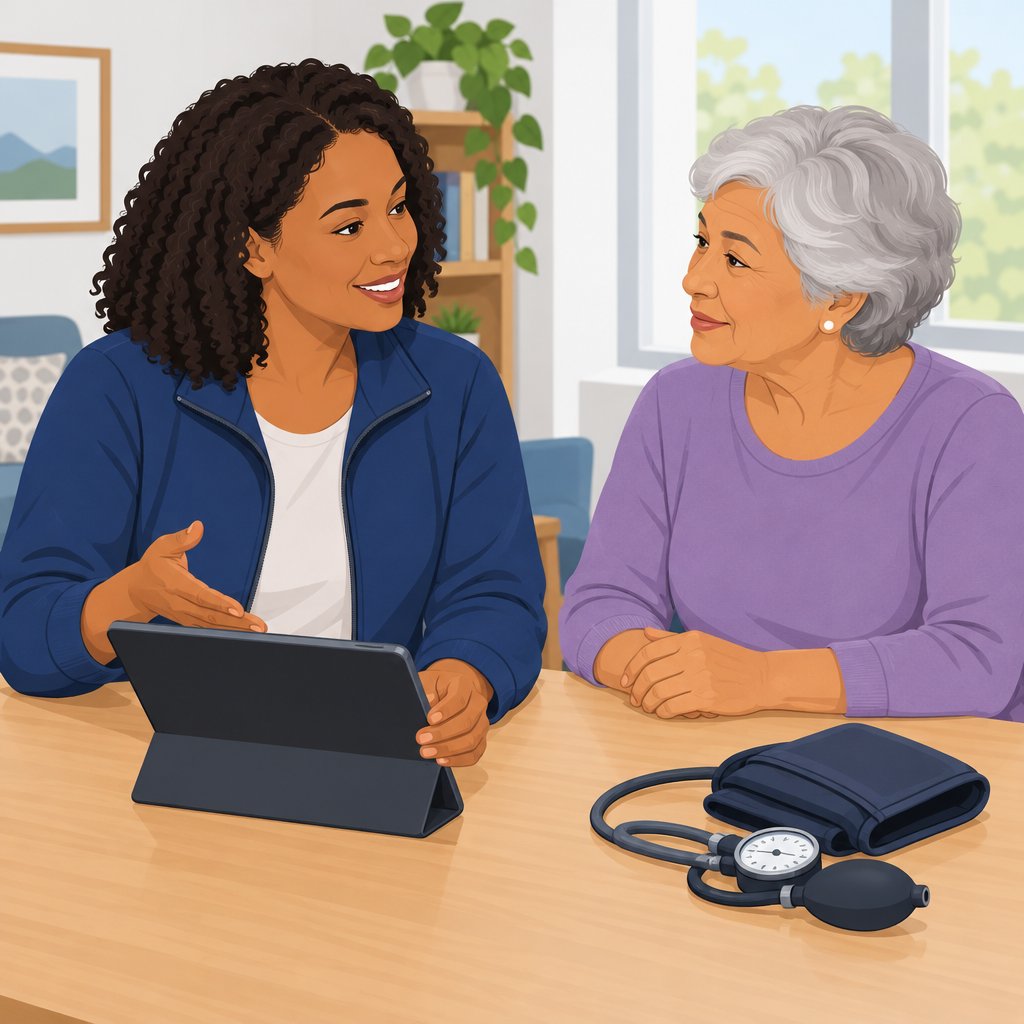
Success Stories in Chronic Disease Management
- CHWs have improved outcomes for patients managing chronic diseases.
- For example, one CHW helped a patient manage diabetes more effectively.
- The CHW taught the patient about healthy eating, exercise, and medication adherence.
- As a result, the patient’s blood sugar levels improved.
- The patient also reported feeling healthier and more empowered.
- Similarly, another CHW supported a patient with hypertension.
- Through regular home visits, the CHW monitored blood pressure and offered encouragement.
- Consequently, the patient changed daily habits and followed the medication regimen.
- Better blood pressure control reduced the patient’s risk of heart disease and stroke.
CHW-Led Interventions for Chronic Conditions
- CHWs have implemented programs that improve outcomes for people with chronic diseases.
- One intervention used regular follow-up calls for patients with diabetes.
- During each call, the CHW reviewed blood sugar levels, medication adherence, and well-being.
- This personalized support helped patients maintain their diabetes management plans.
- Another program educated patients living with chronic obstructive pulmonary disease.
- CHWs taught breathing techniques, exercise routines, and effective inhaler use.
- As a result, patients managed symptoms more effectively and improved their quality of life.
The Value of CHWs in Chronic Disease Care
- CHWs provide a valuable connection between healthcare providers and patients.
- They offer personalized support and practical education for chronic disease management.
- Because they understand their communities, CHWs communicate effectively and advocate for patients.
- They also address social factors, including healthy food access and transportation to appointments.
- In addition, CHWs help patients navigate complex healthcare systems.
- This guidance helps patients receive appropriate care for their chronic conditions.
- By empowering patients, CHWs support stronger engagement and self-management.
- Their holistic approach considers patients’ physical, emotional, and social needs.
- These contributions can improve health outcomes and reduce healthcare costs.
These examples demonstrate how CHWs strengthen chronic disease management through consistent, personalized care.
Their support can improve health outcomes while helping patients achieve a better quality of life.
Gain More Insights: Impact of Volunteer Coordinators in Nonprofits
Collaborations Between CHWs and Healthcare Providers
Collaboration connects CHWs, healthcare professionals, and communities during chronic disease management.
These partnerships improve communication and help patients receive coordinated support.
They also strengthen healthcare delivery by combining community knowledge with professional expertise.
Importance of Collaboration in Chronic Disease Management
CHWs bridge gaps between healthcare providers and the communities they serve.
They provide culturally competent care and build trust with patients.
Additionally, CHWs help providers understand social determinants affecting chronic disease management.
- CHWs can bridge the gap between healthcare providers and communities.
- They provide culturally competent care and enhance trust.
- CHWs can help healthcare providers understand social determinants of health.
Communication and Care Coordination
CHWs act as liaisons between patients and healthcare providers.
They explain care information and support patients managing chronic conditions.
Furthermore, CHWs encourage treatment plan adherence and appointment attendance.
- CHWs act as liaisons between patients and healthcare providers.
- They provide education and support for patients managing their conditions.
- CHWs ensure patients follow treatment plans and attend appointments.
Benefits of Team-Based Chronic Disease Care
A team-based approach combines CHW support with healthcare professional services.
This approach improves care quality while helping patients engage with treatment.
It also helps patients navigate complex healthcare systems more effectively.
- Team-based care can improve patient outcomes and quality of care.
- It can reduce healthcare disparities.
- The approach can enhance patient satisfaction and engagement.
- It can increase efficiency and cost-effectiveness in healthcare delivery.
- CHWs can support patients navigating complex healthcare systems.
You Might Also Like: Effective Communication Skills for Victim Advocates
Strengthening Community Health Worker Support
Community health workers strengthen chronic disease management through education, patient support, and advocacy.
They help patients manage conditions more effectively and improve their quality of life.
Therefore, healthcare systems should invest in CHWs and support their continued role in comprehensive care.
Further research and new initiatives can strengthen CHW contributions as communities face a growing chronic disease burden.


