




Introduction
Agricultural tools play a vital role in every farming activity.
The right tools improve efficiency.
They also boost productivity, leading to better yields and crops.
Hand Tools for Agricultural Labor
Agricultural laborers need suitable hand tools for efficient and productive work.
These tools support essential activities such as digging, planting, weeding, and pruning.
Each tool serves a specific purpose during routine agricultural tasks.
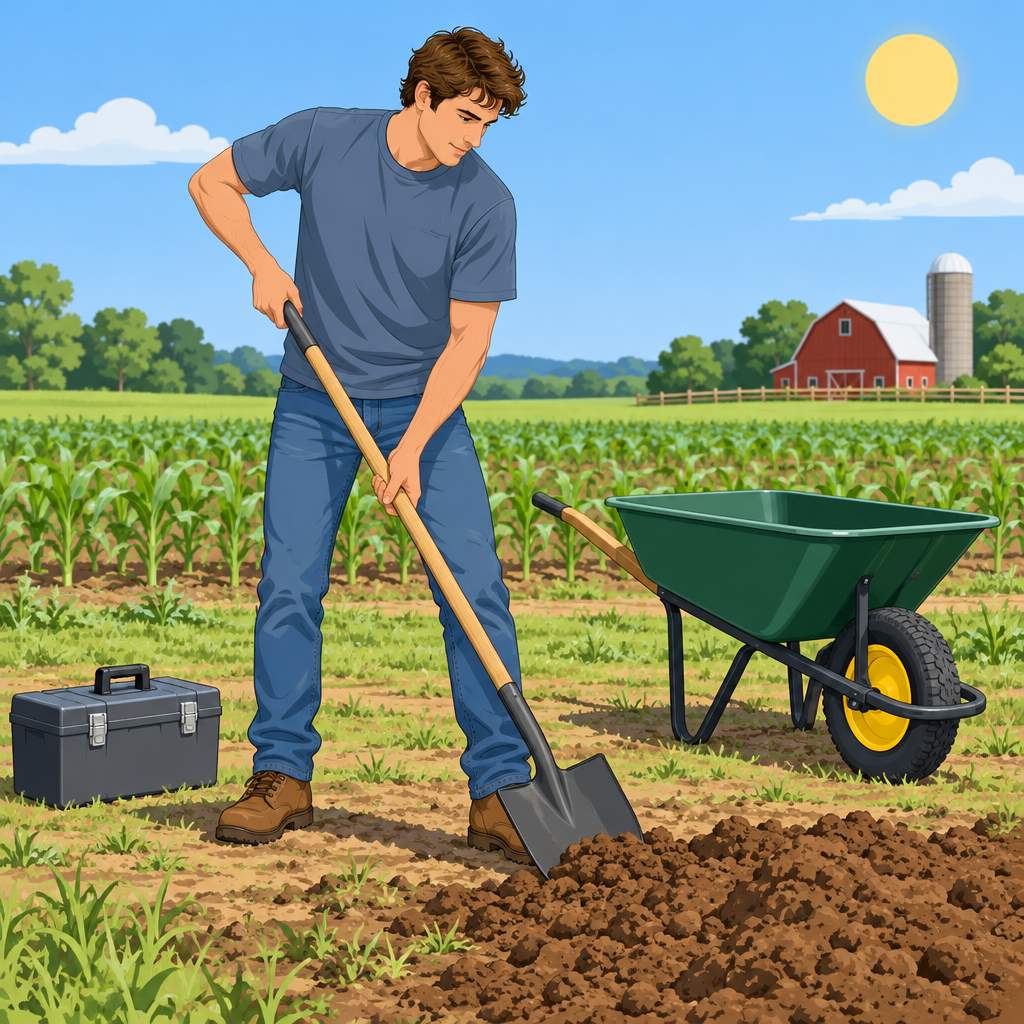
- Shovels support digging, planting, and moving soil.
- Rakes help level soil, gather leaves, and spread mulch.
- Hoes assist with weeding, cultivating soil, and shaping beds.
- Pruners help trim plants, bushes, and trees.
Importance of Hand Tools
Hand tools support important agricultural tasks, including planting, weeding, and pruning.
They help laborers complete these activities with greater precision and efficiency.
Consequently, suitable tools make routine work more manageable.
Recommendations for High-Quality Hand Tools
Investing in durable, high-quality hand tools supports long-term use and reliable performance.
Choose brands recognized for reliability and craftsmanship.
Well-made tools can continue serving agricultural workers through demanding seasons.
Machinery
Proper machinery helps agricultural laborers complete demanding tasks efficiently.
Tractors, plows, and harvesters support timely and precise farming operations.
Furthermore, well-maintained equipment helps workers maximize productivity during agricultural activities.
Importance of Machinery
Different machines perform specific tasks throughout the farming process.
Consequently, agricultural laborers can prepare fields, plant crops, and harvest produce more effectively.
These machines also reduce the time required for work compared with manual labor.
- Tractors support plowing, tilling, planting, and harvesting across modern farming operations.
- Plows prepare soil by breaking it apart and turning it over before planting.
- Harvesters collect crops faster and more efficiently than manual labor allows.
Benefits of Using Machinery
Machinery enables agricultural laborers to complete tasks quickly while conserving time and energy.
Additionally, equipment allows workers to cultivate larger areas of land.
Accurate machinery operations can also promote uniform planting, harvesting, and crop quality.
- Machinery increases efficiency by helping laborers finish tasks quickly.
- Farmers can cultivate larger areas, which supports higher crop yields.
- Precise equipment use promotes consistent planting and harvesting results.
Machinery Maintenance and Storage
Regular maintenance keeps machinery operating effectively during agricultural work.
Moreover, routine servicing can help workers identify problems before they affect functionality.
Proper cleaning and storage protect equipment from damage and support a longer working life.
- Inspect and service machinery regularly to maintain optimal performance.
- Clean equipment thoroughly to prevent dust and debris from causing damage.
- Store machinery in a covered area to protect it from the elements.
When laborers select suitable machinery, they can improve productivity and manage agricultural operations efficiently.
Consistent care helps equipment remain reliable for essential farming tasks.
You Might Also Like: Innovations in Agricultural Science and Tech
Irrigation Systems
- Farmers can choose from various irrigation systems for agricultural work.
- Drip irrigation delivers water directly to plant roots.
- Sprinkler systems distribute water through pipes and sprinkler heads.
Importance of Efficient Irrigation
- Proper irrigation supports crop growth and improves yields.
- It ensures that plants receive enough water for photosynthesis.
- Furthermore, efficient irrigation supports nutrient uptake and overall plant health.
Recommendations for Cost-Effective Irrigation Systems
- Small-scale farmers can use drip irrigation as a cost-effective option.
- These systems minimize water waste and deliver water directly to plants.
- Meanwhile, sprinkler systems can provide affordable irrigation across larger areas.
- Rainwater harvesting systems can further improve irrigation efficiency.
Gain More Insights: Steps to Start Your Career as an Agricultural Consultant
Safety Gear
Agricultural labor requires safety gear for many routine tasks.
Proper equipment helps workers prevent injuries during agricultural activities.
Furthermore, workers should select gear according to the hazards involved.
List of Essential Safety Gear
Safety gear remains a necessary part of agricultural labor.
Workers should use protective equipment during tasks that expose them to hazards.
Essential items include gloves, boots, and helmets.
- Gloves protect hands from cuts, scratches, and chemicals.
- Boots provide ankle support and protect feet from sharp objects.
- Helmets help prevent head injuries from falling objects or equipment.
Importance of Wearing Safety Gear
Safety gear protects workers from various hazards on the farm.
Additionally, protective equipment reduces the risk of accidents and injuries during agricultural tasks.
Some safety gear also meets legal requirements for worker protection.
- Protection shields the body from hazards on the farm.
- Prevention reduces the likelihood of accidents and injuries.
- Regulation requires certain safety gear to support worker safety.
Tips for Choosing the Right Safety Gear
Workers should match safety gear to the type of agricultural work.
They should also consider workplace hazards, equipment quality, comfort, and fit.
Finally, workers should replace damaged or worn gear to maintain its effectiveness.
Transform Your Career Today
Unlock a personalized career strategy that drives real results. Get tailored advice and a roadmap designed just for you.
Start Now- Assess risks to identify the necessary safety gear.
- Choose high-quality gear that meets industry standards.
- Select comfortable equipment for extended work periods.
- Ensure gloves, boots, and helmets fit properly.
- Replace safety gear when damage or wear reduces its effectiveness.
See Related Content: How Dairy Scientists Improve Animal Welfare
Soil Testing Kits
Soil testing determines nutrient levels and helps assess soil pH balance.
Furthermore, testing kits help farmers make informed decisions about crop management.
Reliable results can support healthier crops, improved yields, and more efficient input use.
Significance of Soil Testing
Soil testing shows agricultural laborers the soil’s nutrient content and pH levels.
As a result, farmers can adjust fertilization and amendment decisions more effectively.
This information helps crops receive the nutrients they need for healthy growth.
Benefits of Using Soil Testing Kits
These kits provide precise measurements that help farmers tailor fertilization strategies.
They also identify nutrient deficiencies, helping farmers avoid unnecessary fertilizer costs.
Regular testing supports sustainable soil management and long-term fertility.
- Precision: Soil testing kits measure nutrient levels and pH balance accurately.
- Cost-Effectiveness: Farmers can reduce spending by targeting specific nutrient deficiencies.
- Sustainability: Regular testing supports sustainable farming and long-term soil fertility.
- Yield Enhancement: Accurate analysis helps farmers provide suitable nutrients at appropriate times.
- Environmental Impact: Testing can reduce excess nutrient runoff and protect water sources.
Reliable Soil Testing Kits
Farmers can choose from several kits that measure important soil characteristics.
Each option offers different testing features for nutrient levels, pH, moisture, or light.
Therefore, users should select a kit that matches their specific testing needs.
- Rapitest Soil Test Kit: This kit tests pH, nitrogen, phosphorus, and potassium levels.
- Luster Leaf Digital Soil Test Kit: This kit provides digital readings for pH, nitrogen, phosphorus, and potash.
- LaMotte Garden Soil Test Kit: This comprehensive kit tests pH, nitrogen, phosphorus, and potassium.
- Yoyomax Soil Test Kit: This user-friendly kit tests moisture, pH, light, and nutrient levels.
- Environmental Concepts Soil Test Kit: This kit provides quick readings for pH, nitrogen, phosphorus, and potassium.
Quality soil testing kits help agricultural laborers understand and manage soil needs.
By using these tools, farmers can support crop production while protecting soil and water resources.
Find Out More: Farm Manager's Role in Biodiversity Conservation
Seed Drills
Seed drills help agricultural laborers plant seeds efficiently and uniformly.
These tools support precise placement, consistent spacing, and suitable planting depth.
As a result, seed drills can improve farm productivity and reduce unnecessary seed use.
Importance of Seed Drills
First, seed drills place seeds precisely to provide optimal spacing for maximum yield.
Additionally, accurate seed placement reduces wastage by controlling the desired planting depth.
Furthermore, these tools save time and labor compared with manual seed sowing.
- Seed drills help place seeds precisely, ensuring optimal spacing for maximum yield.
- They reduce seed wastage by depositing seeds accurately at the desired soil depth.
- Seed drills save time and labor compared with manual seed sowing, increasing farm productivity.
Benefits of Seed Drills in Large-Scale Operations
In large-scale operations, seed drills cover extensive areas quickly.
Moreover, consistent spacing and depth promote more uniform crop growth.
By reducing manual work, seed drills also help farmers lower labor costs.
- Seed drills cover large areas quickly, making them suitable for large-scale agricultural operations.
- They improve crop uniformity through consistent seed spacing and planting depth.
- Using seed drills reduces manual labor requirements and lowers labor costs for farmers.
Adjusting and Maintaining Seed Drills
Proper adjustment helps seed drills maintain accurate planting depth and dependable performance.
Regular cleaning prevents blockages and keeps the equipment operating effectively.
Routine inspections also identify worn parts, loose hardware, and lubrication needs.
- Check and adjust seed depth settings regularly to place seeds at the correct depth.
- Clean the seed drill after each use to prevent blockages and maintain performance.
- Inspect seed tubes and metering mechanisms for wear, then replace damaged parts promptly.
- Grease moving parts and tighten loose bolts or nuts that could affect performance.
Understanding seed drills helps agricultural laborers improve efficiency and productivity on the farm.
Weather Monitoring Tools
Weather conditions strongly influence agricultural work and crop performance.
Reliable monitoring tools help farmers observe changing conditions.
This information supports timely decisions and more efficient operations.
Importance of Weather Monitoring Tools
Temperature changes can affect crop growth and pest activity.
Rainfall records help farmers adjust irrigation schedules.
Together, these measurements provide practical information for daily farm planning.
- Thermometers measure temperature fluctuations that may affect crops and pests.
- Rain gauges track precipitation levels and support irrigation planning.
Benefits of Monitoring Weather Conditions
Weather records help farmers anticipate risks and plan agricultural activities.
Farmers can schedule planting, harvesting, and pesticide application more effectively.
Consequently, timely information supports more efficient use of farm resources.
- Farmers can make timely agricultural decisions by tracking weather patterns.
- Weather information helps farmers optimize planting, harvesting, and pesticide application schedules.
Recommended Weather Monitoring Tools
Different tools measure specific weather and soil conditions.
Digital weather stations combine several measurements in one device.
Transform Your Career Today
Unlock a personalized career strategy that drives real results. Get tailored advice and a roadmap designed just for you.
Start NowFarmers can select tools according to their monitoring needs.
- Digital weather stations provide temperature, humidity, wind speed, and rainfall data.
- Portable anemometers measure wind speed during pesticide application.
- Soil moisture sensors help farmers avoid overwatering or underwatering crops.
- Barometers help indicate approaching storms or high-pressure systems.
- Weather apps provide real-time updates and location-specific forecasts.
Reliable monitoring tools help agricultural laborers respond to weather-related challenges.
Accurate data supports efficient and sustainable agricultural practices.
Storage and Transportation Tools
Storage and transportation tools protect agricultural products after harvest.
They help workers move, organize, and preserve crops efficiently.
Proper equipment also reduces losses during storage and delivery.
Essential Storage and Transportation Tools
Bins store grains, seeds, and other agricultural products securely.
Crates protect fruits and vegetables during transportation.
Trailers move heavy equipment and machinery around the farm.
- Bins support the storage of grains, seeds, and other agricultural products.
- Crates help transport fruits and vegetables without causing damage.
- Trailers move heavy equipment and machinery around the farm.
Importance of Proper Storage and Transportation
Proper tools help maintain crop freshness and quality.
They minimize spoilage, contamination, and physical damage during handling.
Additionally, they preserve nutritional value and extend produce shelf life.
Organizing and Maintaining Storage Tools
Regularly clean and sanitize bins, crates, and trailers to prevent mold and pests.
Inspect each tool for wear and repair damaged parts promptly.
Replace equipment when repairs cannot restore safe and effective operation.
Label storage containers with their contents and expiry dates.
Clear labels improve inventory management and help workers locate supplies efficiently.
High-quality tools help agricultural laborers preserve crops from harvest through delivery.
Organized and maintained equipment improves efficiency and minimizes agricultural losses.
Quality Tools Support Successful Farming
Farmers need suitable tools to manage agricultural labor successfully.
Furthermore, quality tools improve efficiency, productivity, and crop yield.
Therefore, agricultural laborers should invest in reliable tools for successful farming operations.
Additional Resources
Google search results for Top Tools Every Agricultural Laborer Should Have Agricultural
Bing search results for Top Tools Every Agricultural Laborer Should Have Agricultural


