




Quality Control in Farming
A quality control inspector helps maintain the quality of crops and farming products.
This role supports successful farming operations and protects customer satisfaction.
It also helps farming businesses maintain profitability through consistent quality control.
Strong inspectors pay close attention to details and use analytical skills effectively.
Additionally, they communicate clearly and work confidently in fast-paced environments.
A passion for agriculture further supports success in this important role.
Requirements for Quality Control in Farming
- Farmers must follow applicable standards and regulations.
- Quality control helps deliver safe, high-quality agricultural products to consumers.
- Quality control inspectors help uphold these standards on farms.
Importance of Quality Control in Farming
- Quality control helps agricultural products meet regulatory standards.
- It supports food safety and preserves the quality of produce for consumers.
- It also helps farmers comply with industry regulations and certifications.
Responsibilities of Quality Control Inspectors
- Quality control inspectors monitor and evaluate the production process.
- They conduct regular inspections to verify compliance with standards and regulations.
- Inspectors identify risks that could affect product quality during production.
- They work with farmers to implement corrective actions and improve quality controls.
- Inspectors help ensure that agricultural products meet consumer and regulatory expectations.
Meticulous Inspection of Farm Produce
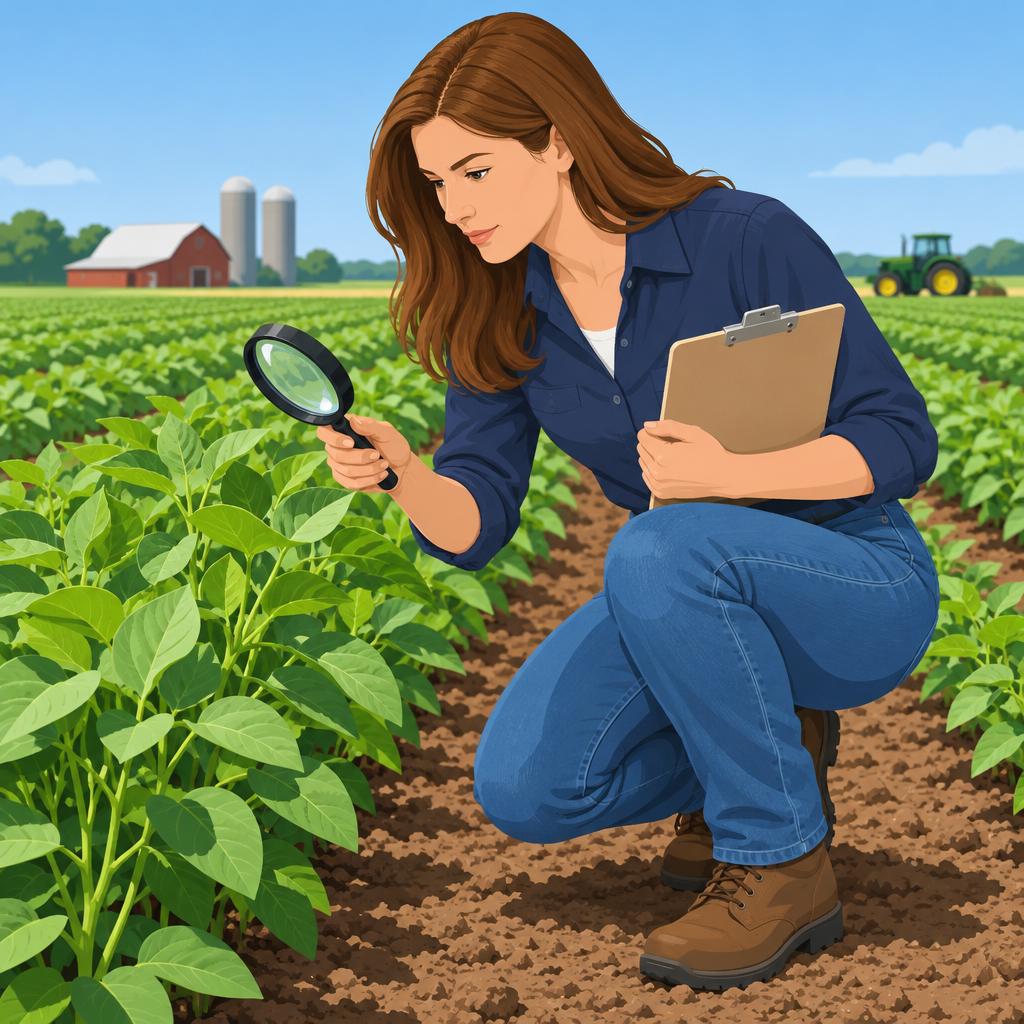
Careful inspection helps quality control inspectors detect defects before farm produce reaches consumers.
Inspectors examine each item against relevant industry standards and identify visible abnormalities.
Therefore, their final checks support product safety and customer satisfaction.
- Inspectors help ensure that farm produce meets industry standards.
- They identify defects or issues that could affect product quality.
- They serve as the final safeguard before products reach consumers.
Practical Ways to Improve Attention to Detail
Checklists guide inspectors through each required step and reduce missed details.
Meanwhile, thorough examinations reveal abnormalities or inconsistencies in individual items.
Regular training keeps inspectors familiar with current standards and inspection techniques.
- Use a detailed checklist during every inspection.
- Examine each item carefully for abnormalities.
- Attend training sessions to maintain current inspection skills.
Consequences of Missed Quality Details
Missed defects can weaken customer trust and damage a farm’s reputation.
Additionally, overlooked contamination may allow unsafe products to reach consumers.
Poor inspections can also trigger recalls, fines, and other financial costs.
- Customers may lose trust after quality mistakes.
- Overlooked hazards can place consumers at risk.
- Quality failures can create costly financial repercussions.
Gain More Insights: Top Tools Every Agricultural Laborer Should Have
Understanding Farm Machinery and Equipment
Quality control inspectors need a strong understanding of machinery used throughout agricultural processes.
This knowledge includes tractors, harvesters, irrigation systems, and other farm equipment.
Understanding each machine helps inspectors support smooth and efficient farm operations.
Learning Agricultural Equipment
Inspectors new to farming machinery can use several resources to expand their knowledge.
Online courses, workshops, and training programs explain equipment types and their functions.
Additionally, manufacturers publish manuals and guides for specific machines.
Maintaining and Calibrating Farm Equipment
Proper maintenance and calibration support reliable quality control inspections.
Regular maintenance keeps machinery operating effectively and efficiently.
It also reduces breakdowns and malfunctions that could affect farm product quality.
Calibration ensures equipment remains accurate and produces reliable inspection data.
Therefore, inspectors should stay updated on agricultural technology and equipment practices.
By combining equipment knowledge, training, maintenance, and calibration, inspectors can contribute to farm success.
Delve into the Subject: Innovations in Agricultural Science and Tech
Communication and Interpersonal Skills in Quality Control
- Communicate clearly with farmers, farm workers, and other stakeholders.
- Explain findings and recommendations so teams can address quality control issues.
- Use teamwork and collaboration to strengthen quality control efforts.
Effective communication helps quality control inspectors coordinate with farmers, farm workers, and other stakeholders.
It ensures that everyone understands the steps required to address quality control issues.
To improve communication, inspectors should practice active listening and ask clarifying questions when necessary.
They should also document findings and recommendations accurately through clear written communication.
This documentation creates a clear record of the quality control process and required actions.
Furthermore, strong interpersonal skills help inspectors build trust and cooperation with farmers and farm workers.
Inspectors should remain approachable, respectful, and empathetic during every interaction.
These qualities support productive relationships and encourage cooperation.
Meanwhile, teamwork helps inspectors identify issues, troubleshoot problems, and implement practical solutions.
By collaborating with farm teams, inspectors can use shared knowledge and expertise to improve farm quality.
Consequently, strong communication and collaboration help inspectors maintain quality standards across farming operations.
Transform Your Career Today
Unlock a personalized career strategy that drives real results. Get tailored advice and a roadmap designed just for you.
Start NowYou Might Also Like: Steps to Start Your Career as an Agricultural Consultant
Staying Updated on Industry Trends and Best Practices
Quality control inspectors in farming must track developments that affect their daily responsibilities.
Continuous learning helps inspectors recognize improved farming technologies and updated production practices.
Professional development also strengthens their ability to support consistent quality across farming operations.
- Encourage quality control inspectors to learn about advancements in farming technology and practices.
- Provide resources for accessing industry publications, conferences, and training programs.
- Discuss the benefits of continuous learning and professional development in quality control.
Encouraging Continuous Learning
Managers can motivate inspectors to seek new information about farming quality control.
This learning culture helps teams remain aware of changes within the agricultural field.
As a result, inspectors can apply relevant knowledge during their quality control duties.
Providing Access to Industry Resources
Industry publications give inspectors information about current farming technologies and quality practices.
Conferences create opportunities to learn about developments affecting agricultural quality control.
Training programs allow inspectors to strengthen their skills through continued education.
Supporting Professional Development
Team discussions can clarify why ongoing development matters in quality control.
Investing in skills and knowledge helps inspectors grow within their roles.
Consequently, informed inspectors can respond more effectively to an evolving farming environment.
See Related Content: How Dairy Scientists Improve Animal Welfare
Effective Quality Control Processes
Quality control processes help inspectors protect the quality and safety of agricultural products.
Inspectors follow defined procedures, record findings accurately, and review results carefully.
These practices also support informed decisions and consistent farming operations.
Steps in Quality Control Inspections
Inspectors begin by collecting representative samples from different areas of the farm or production site.
Next, they test samples for pesticide residues, microbial contamination, and physical attributes.
Finally, they analyze the results to identify deviations from established quality standards.
- Collect representative samples from different areas of the farm or production site.
- Test samples for pesticide residues, microbial contamination, and physical attributes.
- Analyze test results to determine whether products meet required specifications.
Documenting Findings and Creating Reports
Inspectors should record test results, observations, and deviations from quality standards.
Detailed documentation helps inspectors communicate findings and support informed quality decisions.
Reports also provide useful records for future reference and audits.
Each report should summarize the inspection process and present the relevant test results.
It should also describe corrective actions and recommend improvements where necessary.
Feedback and Continuous Improvement
Feedback loops show whether current quality control practices work effectively.
Inspectors can gather feedback from stakeholders to identify weaknesses and necessary adjustments.
Continuous improvement allows inspectors to refine procedures and maintain strong quality and safety standards.
Regular evaluation also helps teams adapt their inspection processes to changing needs.
Professional Qualities for Farming Quality Control Inspectors
Attention to detail helps farming quality control inspectors assess products carefully.
Effective communication also helps inspectors coordinate successful inspections with team members.
Furthermore, continuous learning keeps inspectors informed about industry standards and changing expectations.
Inspectors who improve their skills can strengthen quality practices across the farming industry.
These professionals help maintain high standards for agricultural products.
Consequently, their work benefits consumers and the farming community.
The role also offers satisfaction through meaningful contributions to industry success.
A proactive attitude helps aspiring inspectors respond confidently to workplace challenges.
Critical thinking enables them to evaluate findings and choose appropriate responses.
By embracing challenges, inspectors can grow in this dynamic and fulfilling role.
Dedicated inspectors can make a significant difference in the farming sector.
Transform Your Career Today
Unlock a personalized career strategy that drives real results. Get tailored advice and a roadmap designed just for you.
Start NowAdditional Resources
Google search results for How to Succeed as a Quality Control Inspector in Farming Agricultural
Bing search results for How to Succeed as a Quality Control Inspector in Farming Agricultural


