




Essential Skills for Agricultural Educators
Agricultural educators shape agriculture’s future by giving students essential knowledge and practical skills.
Their work requires more than subject knowledge because effective teaching also depends on communication, adaptability, and collaboration.
These abilities help educators prepare students for changing agricultural demands.
Clear Communication Skills
Clear communication helps educators explain complex agricultural ideas in understandable ways.
Effective explanations allow students to follow lessons and develop important knowledge.
Additionally, strong communication supports learning inside the classroom and beyond it.
Passion for Agriculture
A genuine passion for agriculture strengthens an educator’s connection with students.
Passionate educators show sincere interest in helping students succeed within the field.
Their enthusiasm can inspire students to pursue agricultural knowledge and skills.
Adaptability in Agricultural Education
Agriculture changes continually, so educators must remain flexible in their teaching.
They need to respond effectively to new technologies and evolving agricultural practices.
Moreover, adaptable educators can adjust their approach as industry needs change.
Knowledge of the Agricultural Industry
Strong industry knowledge helps educators remain relevant to their students.
It also enables them to provide valuable insights about agricultural work.
Consequently, informed educators connect classroom learning with the broader agricultural industry.
Effective Problem-Solving Skills
Problem-solving skills help educators address challenges in classrooms and fields.
Critical thinking allows them to examine situations and choose effective responses.
As a result, educators can guide students through practical agricultural challenges.
Collaboration with Agricultural Stakeholders
Collaboration helps educators work effectively with fellow educators and industry professionals.
They also benefit from working with other stakeholders connected to education.
These partnerships support a well-rounded education for agricultural students.
Preparing Future Agricultural Leaders
Effective agricultural educators combine communication, passion, adaptability, knowledge, problem-solving, and collaboration.
Together, these skills help educators inspire students and strengthen their preparation for agriculture.
Through their work, educators empower the next generation of agricultural leaders.
Knowledge of Agriculture
- Demonstrates knowledge of agricultural practices and techniques.
- Keeps up-to-date on industry trends and advancements.
- Has experience working in the agriculture field.
Agricultural educators need strong agricultural knowledge to teach students effectively.
They should understand farming methods, livestock management, crop production, and soil conservation practices.
This foundation helps them explain how agricultural work supports the industry.
Furthermore, educators must track industry trends and advancements.
They should study new technologies, sustainable farming practices, and advances in agricultural science.
Current knowledge helps educators provide timely information and prepare students for agricultural careers.
In addition, hands-on agricultural experience strengthens classroom instruction.
Practical experience connects theoretical knowledge with real-world situations.
It also gives students valuable insights from educators’ personal experiences.
Working in agriculture can build credibility and establish educators as industry experts.
With agricultural knowledge, current awareness, and practical experience, educators can inspire future farmers and agricultural professionals.
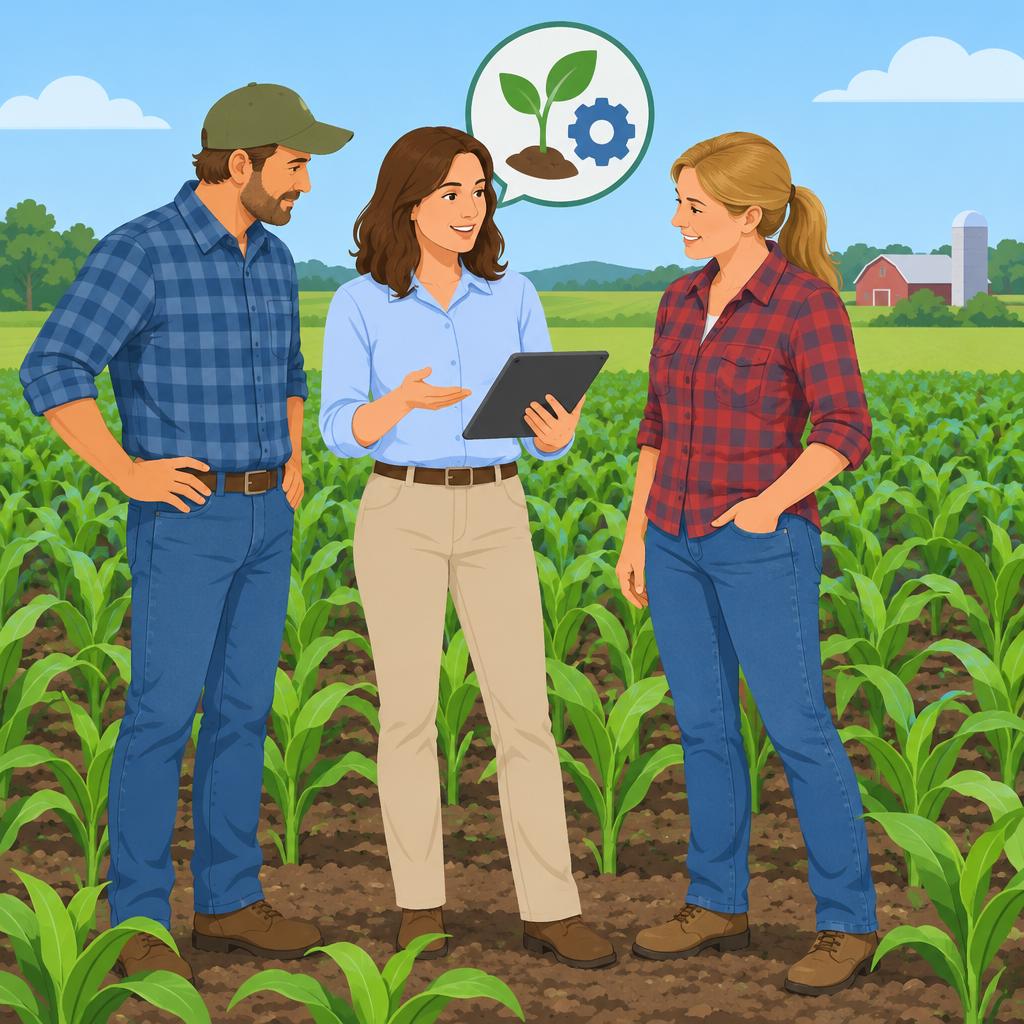
Communication Skills for Agricultural Educators
- Strong verbal and written communication skills support effective agricultural education.
- Educators must explain complex information clearly to different audiences.
- Good listening skills help educators understand students’ needs and concerns.
Effective communication helps agricultural educators teach, engage, and support students.
They communicate clearly with students, parents, colleagues, and community members.
Moreover, they use verbal and written communication to explain agricultural practices.
In classrooms, educators use verbal communication to engage students and present information clearly.
They explain complex concepts in accessible ways.
Transform Your Career Today
Unlock a personalized career strategy that drives real results. Get tailored advice and a roadmap designed just for you.
Start NowAdditionally, they invite questions and provide opportunities for clarification.
Written communication supports lesson plans, reports, grant proposals, and other professional documents.
Clear writing helps readers understand important information and respond appropriately.
Listening skills help educators understand students’ needs and concerns.
By listening attentively, they identify individual strengths and challenges.
They then tailor instruction to support each student’s needs.
Empathy and attentive listening can help create a positive learning environment.
Consequently, students receive guidance that supports growth and success.
Uncover the Details: How Animal Nutritionists Improve Livestock Health
Teaching Abilities
Effective agricultural educators rely on strong teaching abilities.
These abilities help educators create engaging and effective learning experiences.
Additionally, they support classroom organization, lesson delivery, and inclusive student participation.
Lesson Planning and Curriculum Development
Educators develop engaging lesson plans that address relevant agricultural topics.
They also align lessons with curriculum standards to support student learning.
Furthermore, educators adapt lesson plans according to student needs and feedback.
- Developing relevant lesson plans supports effective teaching.
- Aligning lessons with curriculum standards strengthens student learning.
- Adapting lessons helps educators respond to student needs and feedback.
Effective Classroom Management
Educators create positive and structured learning environments for their students.
They manage student behavior while maintaining appropriate classroom discipline.
Moreover, educators handle disruptions and conflicts calmly and professionally.
- Creating structure helps students participate successfully in classroom activities.
- Managing behavior supports an orderly and productive learning environment.
- Handling conflicts calmly helps educators maintain professional relationships.
Instruction for Diverse Learners
Educators recognize diverse learning styles and accommodate students effectively.
They provide varied instructional strategies to address individual student needs.
They also adapt teaching techniques for students with different abilities.
- Recognizing learning differences helps educators reach more students effectively.
- Using varied instructional methods addresses individual learning needs.
- Adapting techniques supports inclusive learning environments for students.
Strong teaching abilities help agricultural educators deliver meaningful instruction.
By developing these skills, educators improve learning experiences for their students.
Uncover the Details: Salary Expectations for Food Safety Specialists
Effective agricultural educators use leadership skills to inspire, guide, and support students pursuing agricultural interests.
Motivating and Inspiring Students
Educators motivate students by setting positive examples and creating supportive learning environments.
They can build student interest by showing enthusiasm for agriculture and genuine concern for student success.
These actions encourage learners to pursue goals and develop their potential.
- Educators can empower students to pursue their goals and dreams.
- Supportive guidance helps students develop a lasting passion for agriculture.
- Personal encouragement can help learners reach their full potential.
- Positive leadership creates stronger engagement with agricultural studies.
Problem-Solving and Decision-Making
Leadership also requires critical thinking when educators face challenges or obstacles.
Educators analyze situations, consider possible solutions, and help students address complex issues.
Timely decisions allow them to respond confidently and effectively when problems arise.
- Critical thinking supports informed decisions in agricultural education.
- Problem-solving helps educators identify practical responses to difficult situations.
- Innovative solutions can help students navigate complex agricultural issues.
- Confident action allows educators to address concerns without unnecessary delay.
Mentoring and Guiding Agricultural Students
Agricultural educators also mentor students as they develop interests and plans in agriculture.
Individual guidance helps learners strengthen skills and work toward personal goals.
Through mentorship, educators help students manage challenges and make informed future decisions.
- Educators can provide support tailored to each student’s unique needs.
- Personalized advice helps students choose realistic goals.
- Mentors encourage learners as they develop agricultural skills.
- Guidance can help students prepare for future agricultural pursuits.
Leadership skills enable agricultural educators to motivate, solve problems, and guide students toward academic and professional goals.
Learn More: The Role of Technology in Agricultural Consulting
Effective agricultural educators use several skills to support successful teaching and learning.
Adaptability helps educators respond effectively to changing classroom and industry needs.
Adaptability in Agricultural Education
Adaptability allows agricultural educators to adjust their methods for different student needs.
Flexible educators help every student understand and apply the concepts they teach.
Transform Your Career Today
Unlock a personalized career strategy that drives real results. Get tailored advice and a roadmap designed just for you.
Start NowFurthermore, educators must respond to new technologies and practices within the agricultural industry.
- Adjust teaching methods according to student needs
- Respond effectively to changes in the agricultural industry
- Incorporate new technologies and practices into teaching
By staying open to innovation, educators keep their lessons relevant and useful.
They also prepare students to address future challenges in the agricultural field.
Consequently, adaptability strengthens agricultural education and helps educators provide valuable learning experiences.
Explore Further: Importance of Credit Analysis in Agricultural Loans
Passion for Agriculture
Effective agricultural educators bring deep passion to agriculture and the environment.
This passion strengthens their teaching and research while inspiring students.
Additionally, it encourages educators to connect learning with real agricultural concerns.
- Genuine interest in agriculture and the environment: Educators connect with students through genuine interest and environmental appreciation.
- Dedication to sustainable agricultural practices: Passionate educators promote sustainability and teach students to protect natural resources.
- Commitment to future agricultural professionals: Educators inspire students to discover their potential and pursue agricultural careers.
This passion helps educators positively influence students and the wider agricultural community.
Collaboration Skills for Agricultural Educators
- Ability to work with other educators, industry professionals, and community members
- Capacity to cultivate partnerships and opportunities for students
- Collaborative mindset to contribute to agricultural education’s growth
Collaboration skills help agricultural educators support students effectively.
Working with educators, industry professionals, and community members creates a supportive network.
Furthermore, collaboration allows educators to share ideas, resources, and effective practices.
These exchanges can improve the quality of agricultural education.
Agricultural educators also cultivate partnerships and opportunities for students.
They identify potential partners among businesses, organizations, and government agencies.
These partnerships provide students with real-world experiences and career opportunities.
As a result, students gain valuable skills and knowledge for future careers.
A collaborative mindset strengthens the agricultural education sector.
Educators contribute by participating in discussions and sharing useful insights.
They also work together toward common goals.
Consequently, collaboration can encourage innovative solutions and improved teaching practices.
It can also build a stronger community among agricultural educators.
Through collaboration, educators support students and engage with industry professionals.
They also contribute to agriculture’s continued development.
This approach can positively influence agriculture’s future and inspire emerging agricultural leaders.
Agricultural Educators’ Impact on Agriculture
Effective agricultural educators possess subject matter expertise, communication abilities, and adaptability.
Skilled educators influence agriculture’s future by nurturing knowledgeable and passionate individuals.
Aspiring agricultural educators should develop and enhance these skills to drive success in the field.
They can contribute positively to the industry’s growth.
Additional Resources
Google search results for Top Skills for Effective Agricultural Educators Agricultural
Bing search results for Top Skills for Effective Agricultural Educators Agricultural


