




Challenges Facing Dairy Scientists Today
Dairy scientists conduct research and develop innovative solutions for agriculture.
Today, several challenges hinder their work.
First, rising demand for dairy products pressures scientists to improve production.
They must find ways to increase production sustainably.
Additionally, dairy farming creates significant environmental concerns.
These concerns include waste management and greenhouse gas emissions.
Moreover, advancing technology and research require efficient dairy production methods.
Scientists also navigate complex regulations and policies affecting the dairy industry.
Therefore, they must remain informed and compliant.
Finally, growing attention to animal welfare and ethics creates moral challenges.
Dairy scientists must address these concerns while supporting responsible production.
The following discussion examines these challenges and explores potential solutions.
Lack of Funding
Dairy research projects require substantial funding for experiments and data collection.
However, limited funding can hinder dairy scientists from advancing their work.
Consequently, financial constraints can delay projects and slow progress in dairy science.
- Scientists may struggle to access essential research resources and equipment.
- Limited funding can force researchers to reduce the quality or scope of their studies.
Technology and Innovation in Dairy Science
- Technology advancements significantly influence dairy scientists.
- New technology creates integration challenges on farms.
- Industry awareness helps dairy scientists respond to innovation.
Technology now plays a critical role in dairy science.
It is changing how dairy farms operate.
Rapid advancements create opportunities and challenges for dairy scientists.
However, integrating new tools into established practices requires careful adjustment.
Adopting new systems can be costly and time-consuming.
These systems may also require changes to existing processes and infrastructure.
Additionally, staff training can challenge dairy scientists.
Nevertheless, dairy scientists must track the industry’s latest innovations.
New technology can improve efficiency, productivity, and sustainability on dairy farms.
It can also support animal welfare, optimize milk production, and protect food safety.
Furthermore, technological awareness helps dairy scientists remain competitive.
Consumers increasingly demand transparency and accountability in food production.
Therefore, dairy farms adopt advanced technologies that support traceability and ethical practices.
By investing in innovation, dairy scientists can meet consumer expectations and distinguish their products.
These advances strengthen dairy science as agriculture continues evolving.
Although adoption presents obstacles, technological benefits can outweigh those difficulties.
By embracing innovation, dairy scientists can improve farming practices and address changing market expectations.
Find Out More: How to Handle Market Crises in Agriculture
Environmental Concerns in Dairy Farming
- Environmental impact remains a growing concern as dairy farming expands.
- Dairy scientists develop sustainable practices that reduce production’s environmental footprint.
- Balancing conservation with dairy production remains a central challenge.
As dairy farming expands to meet population demand, environmental concerns about the industry continue to grow.
Water pollution, greenhouse gas emissions, and habitat destruction create major environmental concerns for dairy production.
Dairy scientists are developing sustainable practices that reduce dairy farming’s environmental footprint.
They explore technologies and management strategies that minimize waste, conserve resources, and protect ecosystems.
However, scientists must balance efficient dairy production with environmental protection.
This balance requires careful attention to land use, water management, and waste disposal.
Therefore, dairy scientists research solutions that support conservation and maintain dairy farming’s economic viability.
Transform Your Career Today
Unlock a personalized career strategy that drives real results. Get tailored advice and a roadmap designed just for you.
Start NowThey also work with farmers, policymakers, and other stakeholders to develop feasible sustainability strategies.
By combining research, innovation, and collaboration, the dairy industry can reduce its environmental impact.
You Might Also Like: Extension Agents and Climate Change Adaptation
Changing Market Demand in Dairy Production
Market demand for dairy products continues to evolve as consumer preferences and dietary trends change.
Health-conscious consumers increasingly seek plant-based milk, non-dairy cheeses, and other dairy alternatives.
Therefore, dairy scientists must monitor these developments and adjust product development accordingly.
Consumer Preferences and Dietary Trends
Consumer choices directly influence which dairy products receive attention from producers and researchers.
For example, dietary trends can increase demand for alternatives alongside traditional dairy products.
As a result, dairy scientists must understand changing expectations before creating suitable products.
Maintaining Quality While Meeting Demand
Dairy scientists must satisfy market demand without reducing the quality of dairy products.
Increasing production pressure can create risks when quality controls receive insufficient attention.
Meanwhile, consistent quality helps protect consumer trust and supports a strong brand reputation.
Scientific Responses to Market Trends
Dairy scientists research consumer feedback, market patterns, and product expectations.
They use these findings to develop dairy products that match evolving consumer needs.
Furthermore, scientists can respond more effectively when they monitor relevant industry developments.
Strategies for Addressing Market Demand
Several practical strategies can help dairy scientists respond to changing market requirements.
These approaches combine consumer understanding, product development, collaboration, quality control, and communication.
Together, they support responsive production while preserving the expected standards of dairy products.
- Conduct market research to identify consumer preferences and emerging dietary trends.
- Invest in research and development to create products for changing consumer demands.
- Collaborate with industry partners to improve production efficiency and meet demand.
- Apply quality control measures to ensure products meet high standards.
- Educate consumers about dairy benefits through clear and transparent communication.
You Might Also Like: Understanding Food Preservation Methods by Scientists
Regulatory Compliance in Dairy Science
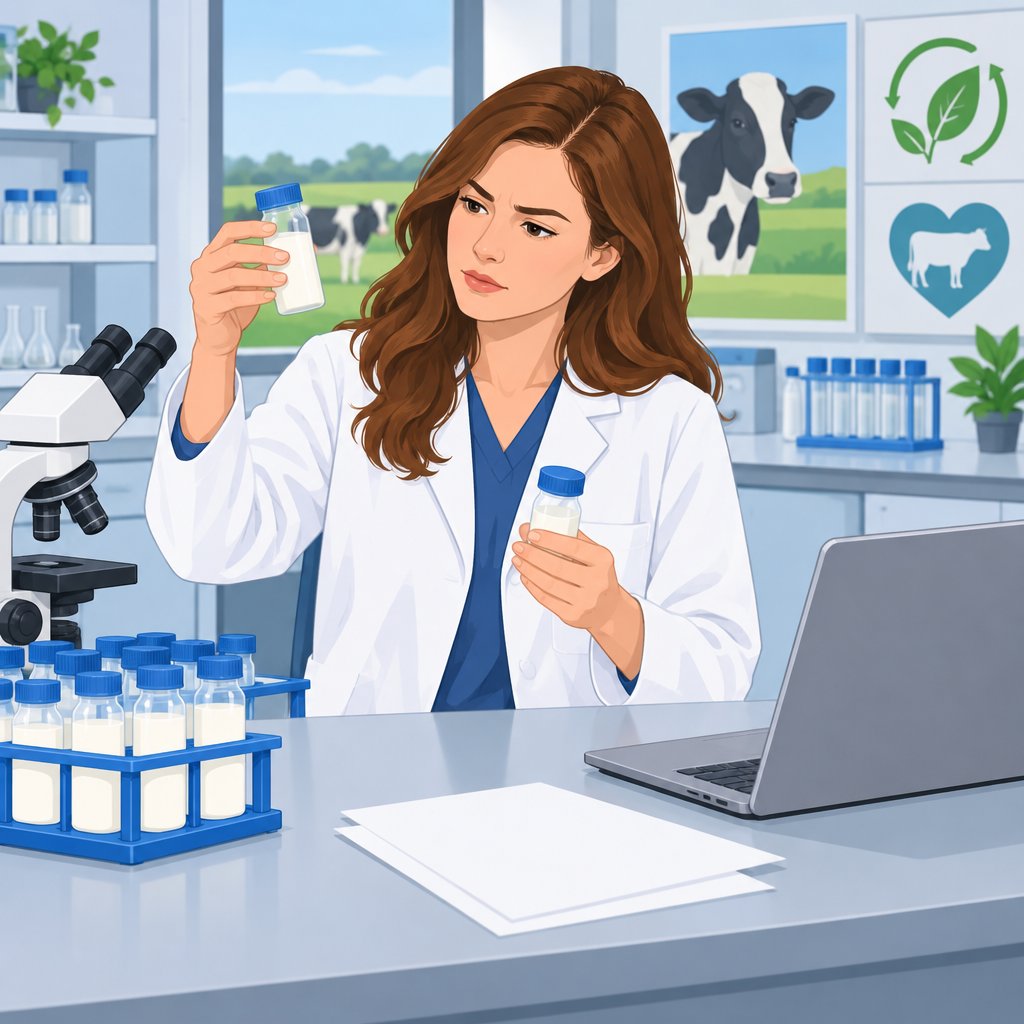
Regulatory compliance presents a major challenge for dairy scientists today.
These professionals must understand detailed requirements governing dairy production.
They also help ensure that dairy products meet required quality and safety standards.
Complex Dairy Industry Regulations
Dairy industry regulations remain intricate and constantly evolve.
Moreover, these rules address milk quality, production standards, and safety protocols.
Therefore, compliance requires careful attention to detail and a strong understanding of applicable laws.
- Milk quality requirements guide the evaluation of dairy products.
- Production standards establish expectations for dairy operations.
- Safety protocols help control risks throughout dairy production.
Challenges of Maintaining Compliance
Dairy scientists must continually monitor changing laws and policies.
Regulatory bodies often revise standards to reflect new scientific findings.
Consequently, scientists must adapt quickly to maintain compliance.
- Changing laws can make compliance requirements difficult to track.
- Updated standards may require adjustments to established procedures.
- Rapid adaptation helps dairy operations meet current expectations.
Responsibilities of Dairy Scientists
Dairy scientists play an essential role in meeting regulatory standards.
They research methods that help dairy operations comply with applicable regulations.
Additionally, they monitor production processes to preserve product quality and safety.
- Scientists evaluate dairy products against regulatory standards.
- They develop compliance methods through focused research.
- They monitor production processes for quality and safety.
Effective compliance depends on the expertise and dedication of dairy scientists.
Furthermore, their work helps dairy operations navigate complex regulatory requirements.
Discover More: Biotechnology and Precision Agriculture
Dairy scientists must help ensure the health and welfare of dairy animals.
Importance of Animal Welfare in Dairy Farming
Animal welfare reflects ethical values and influences milk quality and quantity.
Moreover, healthy animals can produce milk more productively and efficiently.
Therefore, welfare supports dairy operations and benefits the wider dairy industry.
Challenges of Maintaining Dairy Animal Health
Dairy farmers face several challenges when protecting animal health and well-being.
For example, mastitis can reduce milk production and harm animal welfare.
Transform Your Career Today
Unlock a personalized career strategy that drives real results. Get tailored advice and a roadmap designed just for you.
Start NowProper nutrition also supports animal health and well-being.
Additionally, suitable housing and effective management help maintain healthy dairy animals.
Research and Practices Supporting Dairy Animal Welfare
Dairy scientists research and implement practices that promote animal welfare.
Through scientific research, they develop solutions for challenges affecting dairy animals.
Furthermore, collaboration with veterinarians, nutritionists, and other experts supports effective management practices.
These practices prioritize welfare while enhancing overall milk production.
Health and welfare remain paramount within the dairy industry.
Such efforts help support sustainable and successful dairy farming.
Globalization and Competition in the Dairy Industry
- Globalization has significantly affected the dairy industry.
- It has opened new markets and opportunities for dairy producers.
- However, it has increased competition from international dairy producers.
- Consequently, domestic dairy scientists must develop ways to compete globally.
Challenges of Competing with International Dairy Producers
- International dairy producers often reduce production costs through economies of scale.
- Therefore, domestic dairy scientists face pricing challenges in competitive markets.
- International producers may also access better technology and greater resources.
- As a result, domestic dairy scientists may struggle to match industry advancements.
Innovative Strategies for Dairy Industry Competitiveness
- Dairy scientists play a crucial role in developing solutions for global competition.
- They can develop technologies and practices that increase efficiency and reduce costs.
- Additionally, scientists can improve dairy product quality for global consumers.
- Through continued innovation, dairy scientists can strengthen domestic industry competitiveness.
Workforce Development
- The dairy industry must address its shortage of skilled workers.
- Recruiting and retaining qualified dairy scientists presents ongoing challenges.
- Educational and training programs can develop the next generation of dairy scientists.
Collaborative Priorities for Dairy Science
Dairy scientists face interconnected pressures that threaten the industry’s sustainability.
These pressures include rising demand, antibiotic resistance, and continuing concerns about animal welfare.
Addressing these issues requires practical responses supported by focused study and innovation.
Therefore, researchers must continue developing solutions that strengthen the dairy industry’s future.
Investment in advanced technology and sustainable practices can help the industry overcome significant obstacles.
Furthermore, dairy scientists should share knowledge and collaborate across their field.
Such cooperation can help researchers address complex challenges collectively.
These efforts can support a more sustainable and ethical dairy industry.
They can also benefit producers, animals, consumers, and other stakeholders.
Meanwhile, continued research can help the industry become more resilient and responsible.
Supporting dairy science research remains essential for long-term progress.
With determination and innovation, dairy scientists can help secure the industry’s future.
Additional Resources
Google search results for Challenges Faced by Dairy Scientists Today Agricultural
Bing search results for Challenges Faced by Dairy Scientists Today Agricultural


