Transit-Oriented Development and Sustainable Cities
Transit-oriented development creates compact, mixed-use communities around transit hubs.
Moreover, integrating TOD into cities promotes sustainable development and reduces reliance on cars.
It also improves public transportation access, reduces traffic congestion, and supports better air quality.
Understanding Transit-Oriented Development
Transit-Oriented Development gives urban development a strong focus on public transportation.
It organizes compact communities around convenient transit access.
In addition, mixed uses and varied travel options support convenient daily movement.
Key Components of Transit-Oriented Development
TOD combines housing, businesses, and recreational spaces within close reach.
Walkable design connects sidewalks and bike lanes for pedestrians and cyclists.
Transit access places bus stops, train stations, and other options within easy reach.
- Mixed land use integrates residential, commercial, and recreational spaces.
- Walkability supports pedestrian-friendly neighborhoods with connected sidewalks and bike lanes.
- Public transportation access connects communities with buses, trains, and other transit options.
Examples of Successful Transit-Oriented Development Projects
Several cities illustrate TOD through different transit systems and nearby development.
Curitiba links bus rapid transit with mixed-use development.
Vancouver and Portland connect transit services with housing, commerce, and entertainment.
- Curitiba, Brazil, integrates bus rapid transit with mixed-use development.
- Vancouver, Canada, places high-density housing and commercial spaces near waterfront SkyTrain stations.
- Portland, USA, uses streetcar lines to connect residences with shopping and entertainment areas.
As cities accommodate population growth, TOD offers a sustainable and efficient development approach.
It can reduce traffic congestion, encourage economic growth, and improve residents’ quality of life.
Benefits of Integrating TOD in Cities
Integrating TOD can help cities create more efficient, sustainable, and accessible urban environments.
These communities connect transportation access with housing, employment, services, and recreational opportunities.
As a result, cities can reduce travel challenges while supporting broader economic and social benefits.
- Reduced congestion and car dependence.
- Improved air quality and environmental sustainability.
- Increased economic development and property values.
- Enhanced social equity and access to jobs and amenities.
Reduced Congestion and Car Dependence
TOD can reduce road congestion by making public transportation more convenient for daily travel.
Consequently, residents may depend less on cars for their commutes and routine trips.
This shift can ease traffic, shorten travel times, and support a more efficient transportation system.
Improved Air Quality and Environmental Sustainability
TOD encourages public transportation, walking, and cycling as practical alternatives to driving.
Fewer cars on the road can reduce greenhouse gas emissions and improve local air quality.
Furthermore, sustainable travel choices help cities pursue their environmental sustainability goals.
Increased Economic Development and Property Values
TOD investments can stimulate economic development in nearby areas by attracting businesses and residents.
Improved accessibility and connectivity can also increase property values and encourage further investment.
As investment grows, neighborhoods can become more vibrant and contribute to broader urban prosperity.
Enhanced Social Equity and Access to Amenities
TOD initiatives can support social equity by placing affordable housing near transportation hubs.
Residents can gain better access to jobs, healthcare facilities, schools, and recreational amenities.
Therefore, improved accessibility can create a more inclusive environment for people from diverse backgrounds.
TOD offers cities several connected benefits, including lower congestion, cleaner air, stronger economies, and greater social equity.
By prioritizing these initiatives, cities can create more sustainable, livable, and prosperous environments for residents.
Explore Further: How Traffic Managers Optimize Freight Movements
Challenges of Implementing TOD
Several barriers can slow TOD implementation, especially when policies, funding, community concerns, and coordination remain unresolved.
Addressing these barriers requires updated rules, flexible financing, early engagement, and cooperation among responsible stakeholders.
Therefore, cities must align planning decisions with practical implementation needs around transit stations.
Zoning and Land Use Regulations
Outdated zoning regulations and land use policies can restrict Transit-Oriented Development projects.
Many regulations prioritize single-family homes instead of the mixed-use developments that TOD requires.
Consequently, cities may struggle to create compact, walkable neighborhoods with varied land uses.
Cities can address this issue by allowing greater density around transit stations.
Additionally, streamlined approvals for mixed-use projects can encourage developers to invest in TOD.
Transform Your Career Today
Unlock a personalized career strategy that drives real results. Get tailored advice and a roadmap designed just for you.
Start NowFinancing and Funding Mechanisms
TOD projects require sufficient financing and funding to support development and transit infrastructure.
However, traditional funding mechanisms may overlook transit infrastructure and affordable housing investments.
Public-private partnerships can help close funding gaps by combining public resources with private investment.
Moreover, tax increment financing and value capture mechanisms can provide additional support for TOD initiatives.
Municipalities should examine these alternative sources when financing transit-oriented developments.
Community Resistance and NIMBYism
Community resistance and Not-In-My-Backyard sentiments can create another obstacle for TOD implementation.
Some residents may worry that TOD will increase neighborhood traffic or density.
To address these concerns, planners should engage residents early in the planning process.
Educating residents about reduced car dependence and improved amenity access can help build support.
Furthermore, inclusive and transparent decisions can strengthen trust and community collaboration.
Coordination Among Stakeholders and Agencies
TOD implementation involves government agencies, transit authorities, developers, and community groups.
When these stakeholders communicate poorly, projects can experience delays and inefficient decisions.
Strong partnerships and open dialogue can help stakeholders coordinate their responsibilities.
Regular meetings and joint planning sessions can improve communication among participating organizations.
Shared data platforms can also streamline decisions and support consistent project planning.
Ultimately, collaboration allows stakeholders to align their goals and resources for sustainable urban development.
You Might Also Like: Future Trends in Port Operations Management
Strategies for Successful TOD Implementation
- Comprehensive planning and visioning
- Public-private partnerships
- Community engagement and participation
- Transit system improvements and infrastructure investments
Successful TOD implementation requires coordinated planning, partnerships, engagement, and infrastructure investments.
These strategies help cities align development with transportation and community needs.
Together, they support accessible, connected, and environmentally friendly communities.
Comprehensive Planning and Visioning
Comprehensive planning gives cities a framework for implementing successful TOD projects.
It addresses land use, transportation, infrastructure, and community needs.
Consequently, cities can integrate TOD projects into the existing urban fabric.
A detailed plan identifies project goals, objectives, and implementation timelines.
This holistic approach supports sustainable growth and creates vibrant, livable communities.
Public-Private Partnerships
Public-private partnerships combine expertise, resources, and capabilities from both sectors.
They bring cities together with developers, investors, and other stakeholders.
Through collaboration, partners can address challenges and pursue shared goals.
These partnerships can accelerate development and attract investment.
They can also support financially viable and sustainable TOD projects.
Community Engagement and Participation
Community engagement helps cities design TOD projects around local needs and values.
Residents, community organizations, and other stakeholders can contribute valuable perspectives.
Including these groups builds trust and encourages collaboration.
Community participation also creates ownership and pride in TOD projects.
As a result, cities can promote inclusive, equitable, and sustainable development.
Transit System Improvements and Infrastructure Investments
Transit improvements provide essential support for successful TOD implementation.
Enhanced public transportation increases connectivity and improves accessibility.
Infrastructure investments can include bus rapid transit, light rail, and bike lanes.
These improvements connect residents with services, amenities, and employment opportunities.
They also help reduce traffic congestion, improve air quality, and promote sustainable transportation.
Transform Your Career Today
Unlock a personalized career strategy that drives real results. Get tailored advice and a roadmap designed just for you.
Start NowDelve into the Subject: Transportation Planning Software Tools
Case Studies of TOD in Cities
These case studies show how cities apply TOD principles within distinct urban settings.
Portland and Arlington connect development patterns with transit access, walkability, and varied community needs.
Their experiences identify practical considerations for cities studying similar approaches.
Portland, Oregon
- Portland integrates TOD principles with its extensive public transit system.
- The city supports mixed-use development near transit hubs.
- These projects promote walkability and reduce dependence on cars.
- The Pearl District transformed an industrial area into a vibrant mixed-use neighborhood.
- Portland also emphasizes affordable housing within TOD projects.
- This emphasis supports accessibility and diversity in urban living.
Arlington, Virginia
- Arlington has developed transit-friendly communities along its Metro corridors.
- The Ballston Quarter development connects residential towers, retail spaces, and public amenities.
- The development also connects with the nearby Metro station.
- Arlington prioritizes pedestrian and cyclist infrastructure throughout these communities.
- These improvements encourage active transportation and reduce traffic congestion.
- The Rosslyn-Ballston corridor demonstrates a model for transit-oriented living.
- The corridor combines housing options with convenient public transit access.
Lessons from Successful TOD Implementation
Successful TOD depends on coordinated decisions among public agencies, developers, planners, and residents.
Projects work best when transit access supports mixed uses, walkable streets, and community needs.
Cities can strengthen results by connecting housing goals with transportation investments.
- City planners, developers, transportation agencies, and communities should collaborate closely.
- Mixed-use development and density around transit hubs can create vibrant neighborhoods.
- Affordable housing can promote inclusion and diversity within TOD communities.
- Public transportation investments and last-mile connections can improve TOD effectiveness.
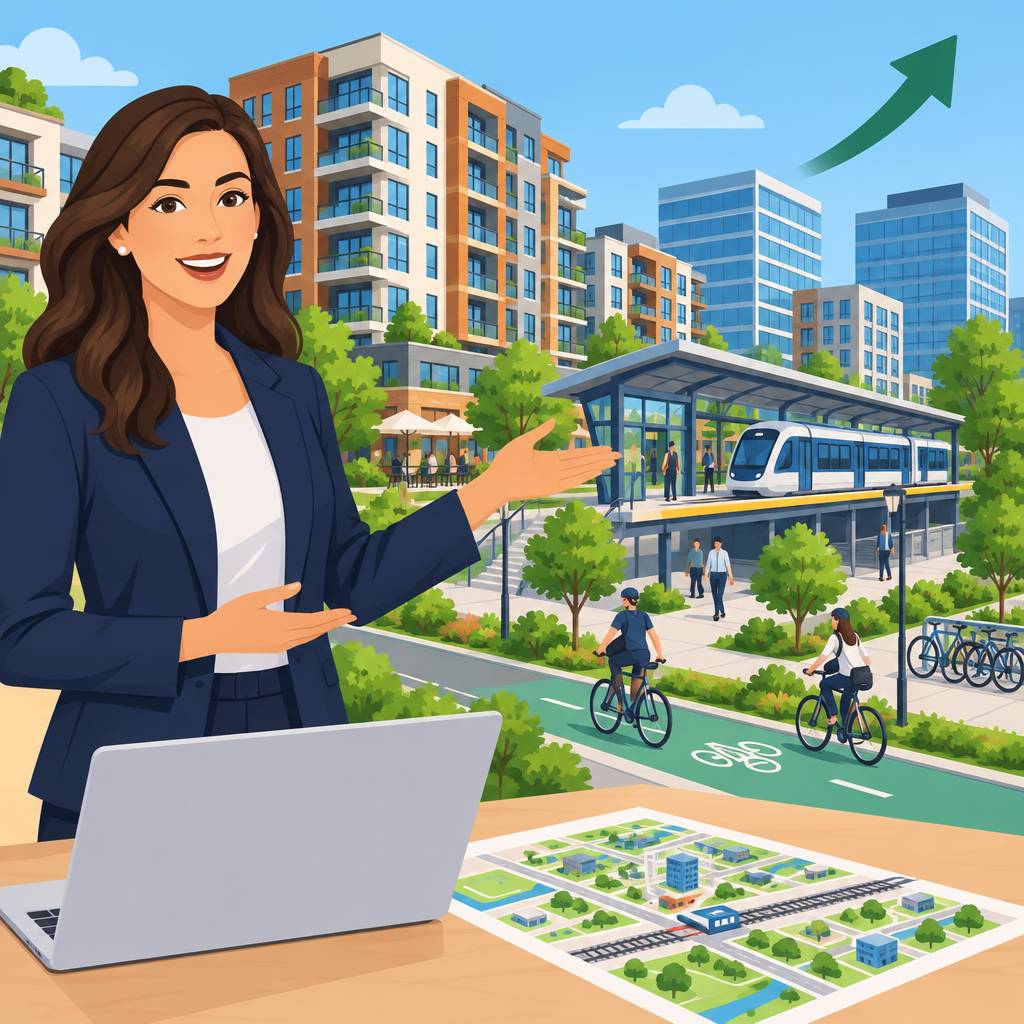
Replicating Successful TOD Models in Other Cities
Portland and Arlington demonstrate how cities can adapt TOD principles to local conditions.
Other urban areas can use these examples to improve livability, sustainability, and connectivity.
Local adaptation allows policymakers to address each community’s specific needs.
- Cities can adapt successful TOD models to their local contexts.
- Policymakers can use implementation lessons when designing transit-friendly communities.
- Stakeholder collaboration can support the replication of effective TOD approaches.
- Strong public transit infrastructure remains essential for successful replication.
Learn More: Top Companies Hiring Logistics Technicians in 2025
Developer Incentives for Transit Oriented Development
- Developers can receive tax incentives or grants for building transit oriented development projects.
- Local governments can streamline permitting processes for transit oriented development projects.
- Additionally, low interest loans can support developers investing in transit oriented development.
Zoning and Land Use Regulations for Transit Oriented Development
- Update zoning codes to allow higher density developments near transit stations.
- Create mixed use zoning districts that combine residential and commercial spaces.
- Use form based codes that emphasize building form instead of land use.
Public Transportation Infrastructure Investment
- Fund improvements and expansions for existing public transportation systems.
- Integrate buses, light rail, and bike lanes to connect transportation modes.
- Develop transit hubs that connect transportation modes and support seamless travel.
Affordable Housing and Mixed Income Communities
- Reserve a percentage of new housing units for affordable housing in transit oriented developments.
- Partner with nonprofit organizations to develop affordable housing in transit oriented development areas.
- Finally, offer density bonuses or subsidies to encourage affordable housing units.
Collaborative Outcomes of Transit-Oriented Development
Transit-oriented development improves access to public transportation, reduces traffic congestion, and increases walkability.
Furthermore, these benefits can help cities become more livable and environmentally friendly.
City planners, policymakers, and residents each play a crucial role in supporting TOD initiatives.
By advocating for sustainable urban development and transportation planning, they can help create vibrant cities.
Moreover, TOD can enhance connectivity, promote economic growth, and foster community among residents.
Cities can therefore shape their futures by prioritizing transit-oriented development.
Finally, collaborative efforts can support sustainable, resilient, and inclusive urban environments.
Shared commitment to TOD projects can help cities meet future urban needs.