




Introduction
As a Port Operations Manager, one plays a crucial role in overseeing daily activities at ports.
Enhancing port security remains essential in today’s world.
This post examines ways Port Operations Managers can enhance port security.
Understanding the Role of a Port Operations Manager
Port Operations Managers oversee all activities within a port.
They ensure smooth and efficient operations across the port.
They also work to meet various operational objectives.
- Port Operations Managers oversee all activities within a port.
- They ensure the smooth and efficient running of operations to meet various objectives.
Responsibilities of a Port Operations Manager
- They manage port security to safeguard against potential threats and risks.
- They coordinate with various departments to support seamless port operations.
- They implement and enforce safety protocols to protect personnel and assets.
- They oversee the maintenance and repair of port infrastructure and equipment.
Importance of Effective Communication and Coordination
- Clear communication ensures that staff understand their roles and responsibilities.
- Coordination streamlines processes and helps prevent delays or disruptions.
- Effective communication with authorities and stakeholders enhances overall port security.
Key Skills Required for the Role
- Strong leadership abilities help manage a diverse team of port personnel.
- Excellent problem-solving skills help address issues promptly and effectively.
- Knowledge of port security protocols and regulations supports compliance.
- Good analytical skills help assess risks and implement appropriate measures.
Current Challenges in Port Security
Port security faces growing challenges across maritime facilities.
Cybersecurity threats can disrupt operations and expose sensitive data.
Terrorism also threatens port facilities and personnel.
- Cybersecurity threats
- Terrorism risks
- Economic effects of security breaches
Threats Faced by Ports
Ports face increasing security threats.
Cyberattacks can interrupt operations and compromise sensitive information.
Terrorism can endanger facilities and personnel.
Impact of Security Breaches on Port Operations and the Economy
Port security breaches can affect operations and the wider economy.
Operational disruptions can delay cargo handling and transportation.
These delays can create financial losses for port authorities and maritime businesses.
Moreover, breaches can damage a port’s reputation and reduce its appeal to shipping companies.
That reduced appeal can threaten the port’s economic viability.
Need for Proactive Security Measures
Ports need proactive security measures to strengthen their overall security posture.
They can invest in surveillance, access controls, and cybersecurity solutions.
These technologies help ports detect and prevent threats effectively.
Operations managers must implement and maintain these safeguards.
By monitoring emerging threats, managers can develop strong security protocols and response plans.
Collaboration with law enforcement, intelligence services, and industry partners improves information sharing.
These efforts strengthen port resilience and support the industry’s sustainability.
Delve into the Subject: Understanding Distribution Manager Job Descriptions
Risk Assessments and Vulnerability Scans
Conduct regular risk assessments to identify potential threats affecting port operations.
Use vulnerability scanning tools to locate weaknesses in the port’s security infrastructure.
Address identified vulnerabilities promptly to strengthen the port’s security.
These assessments support proactive security management and help protect port operations against potential threats.
Emergency Response Plans
Create comprehensive emergency response plans for various security and operational scenarios.
Include procedures for natural disasters, terrorist attacks, and other emergencies.
Additionally, assign clear responsibilities so staff members understand their required actions.
Train every staff member on the plans and their designated emergency roles.
Security Training and Procedures
Provide regular training sessions that explain security protocols and procedures.
Cover access control, surveillance, and incident response during these sessions.
Meanwhile, update staff about emerging security threats and effective mitigation practices.
Prepared employees can address security threats more effectively during port operations.
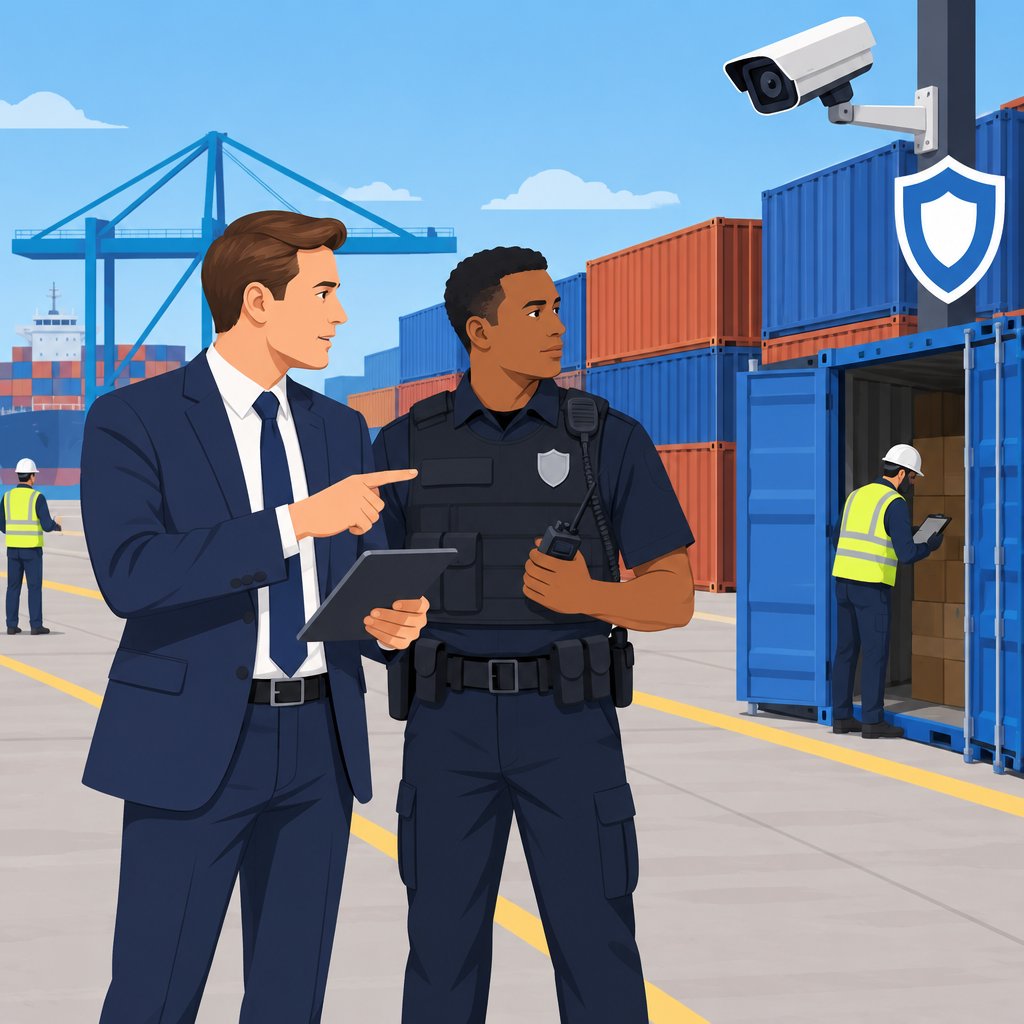
Security Protocols and Port Resilience
A comprehensive security approach helps maintain a safe and secure port environment.
Risk assessments enable proactive identification and mitigation of security risks.
Robust emergency plans help the port respond effectively to diverse emergencies.
Transform Your Career Today
Unlock a personalized career strategy that drives real results. Get tailored advice and a roadmap designed just for you.
Start NowThis preparation can minimize potential disruptions to port operations.
Delve into the Subject: Career Path: Becoming an Inventory Control Specialist
Technology for Enhanced Port Security
Advanced technology helps port managers protect facilities, assets, and personnel from increasingly sophisticated security threats.
Therefore, managers should continually assess innovative tools that can reduce security breaches.
These tools support monitoring, authentication, and patrol activities across port areas.
- Surveillance cameras and access control systems
- Biometric identification systems
- Drones for monitoring and patrolling port areas
Surveillance Cameras and Access Control Systems
Strategically placed cameras provide real-time views of activities throughout the port.
Additionally, access control systems restrict entry to authorized personnel and protect critical infrastructure.
Together, these systems deter threats and support rapid responses to security incidents.
Biometric Identification Systems
Biometric systems use traits such as fingerprints or iris patterns to authenticate people entering the port.
Consequently, they reduce identity fraud and limit unauthorized access to sensitive areas.
This approach strengthens port security while providing an efficient authentication process.
Drones for Monitoring and Patrolling Port Areas
Drones provide aerial surveillance and cover large areas quickly.
Moreover, they can identify suspicious activity or perimeter security breaches.
Managers can use drones for patrols, perimeter checks, and emergency responses.
Integrated Technology for Port Protection
Combining these technologies creates a broader security capability across port operations.
Furthermore, integrated tools improve situational awareness and support proactive monitoring.
As threats evolve, technology remains essential for protecting port facilities and personnel.
Explore Further: Integrating Transit-Oriented Development in Cities
Collaboration with External Stakeholders
External collaboration strengthens security across port operations.
Port Operations Managers coordinate with agencies, shipping companies, and tenants.
These partnerships support faster responses, shared resources, and stronger security measures.
- Building relationships with law enforcement agencies
- Partnering with shipping companies and port tenants
- Sharing intelligence and information for improved security
Building Relationships with Law Enforcement Agencies
Strong relationships with law enforcement agencies improve port security.
Open communication helps the Port Operations Manager respond quickly to security threats or incidents.
Additionally, agencies can share resources and expertise, strengthening security measures.
Partnering with Shipping Companies and Port Tenants
Collaboration with shipping companies and port tenants helps identify security risks and vulnerabilities.
Together, stakeholders can develop security protocols that address each entity’s specific needs.
These tailored measures protect the wider port community while supporting individual operations.
Sharing Intelligence and Information for Improved Security
Stakeholders can exchange intelligence about security threats and risks.
This information helps the Port Operations Manager anticipate dangers and take proactive measures.
Moreover, transparent cooperation supports a more secure and resilient port environment.
Find Out More: How Traffic Managers Optimize Freight Movements
Regular Security Audits and Evaluations
As a Port Operations Manager, you must strengthen port security.
Regular audits and evaluations help protect personnel, cargo, and the port itself.
These activities reveal weaknesses and support timely improvements.
- Conduct regular security drills and exercises.
- Review security protocols and make necessary updates.
- Ensure compliance with regulatory requirements.
Security Drills and Exercises
Regular security drills help identify vulnerabilities within port operations.
These exercises test response mechanisms during different security scenarios.
They also train staff to respond appropriately when security concerns arise.
Security Protocol Reviews and Updates
Regularly review security protocols to identify gaps or weaknesses.
Then, update existing measures to address those identified concerns.
These updates help keep port security aligned with current threats and technology.
Transform Your Career Today
Unlock a personalized career strategy that drives real results. Get tailored advice and a roadmap designed just for you.
Start NowCompliance with Regulatory Requirements
Ports must meet various regulatory requirements and security standards.
Therefore, confirm that your port follows every applicable regulation.
Compliance helps prevent penalties and supports a secure port environment.
By applying these practices, you can strengthen the port’s overall security posture.
These measures also help mitigate risks and protect against potential threats.
Port Security Supports Maritime Prosperity
Strong port security safeguards maritime operations and protects communities from potential threats.
Port Operations Managers implement and maintain effective security measures across daily operations.
Moreover, every stakeholder must collaborate and invest resources in continuous security improvements.
These efforts help ports operate efficiently, facilitate trade, and support economic prosperity.
Therefore, maritime stakeholders should promote vigilance and excellence throughout port security practices.
Together, stakeholders can create safer environments for maritime activities and reduce security risks.
Secure ports support the well-being of communities and the strength of economies.
Additionally, collective action can improve port security and support a sustainable maritime future.
Security awareness and continuous improvement can strengthen port operations.


