




Agricultural Worker Rights and Labor Laws
Agriculture depends on worker rights and labor laws to protect agricultural workers.
These laws help create fair and safe working conditions.
Workers and employers must understand these laws to support a fair work environment.
Agricultural worker rights protect people working throughout the agricultural sector.
Labor laws regulate working conditions and guide how employers treat workers.
Awareness of these laws can help prevent exploitation and support legal compliance.
Understanding these protections can promote a more equitable and sustainable agricultural industry.
Overview of Agricultural Worker Rights
- Agricultural workers deserve fair wages, safe conditions, and access to essential benefits.
- Fair wages help workers support themselves and their families.
- Safe conditions protect workers from accidents and occupational hazards.
- Benefits such as healthcare, paid leave, and retirement plans support worker well-being.
Importance of Fair Wages
- Fair wages compensate agricultural workers for their labor and industry contributions.
- They help reduce poverty and strengthen economic stability within worker communities.
- Furthermore, fair wages help workers meet needs, fund education, and save for the future.
- They also promote social justice by narrowing the gap between landowners and laborers.
Importance of Safe Working Conditions
- Safe working conditions protect agricultural workers from injuries, health risks, and mental stress.
- They improve productivity by creating an environment where workers perform tasks effectively.
- Additionally, safe conditions strengthen morale, job satisfaction, and worker retention.
- They demonstrate respect for human rights and dignity throughout the workplace.
Importance of Access to Benefits
- Healthcare benefits help agricultural workers receive timely treatment and preventive care.
- These benefits provide financial security during emergencies, illness, and retirement.
- Paid leave allows workers to manage personal needs and maintain work-life balance.
- Finally, retirement plans help workers prepare for a stable future after years of work.
Common Labor Law Violations in Agriculture
Agricultural employers can violate labor rules through unsafe practices, unpaid time, discrimination, child labor, or inadequate breaks.
These problems may affect workers during fieldwork, machinery operation, harvest periods, and long shifts.
The following violations describe common ways agricultural employment practices can fail to meet legal requirements.
- Employers may fail to provide proper safety equipment and training to agricultural workers.
- Some employers may not pay workers for all hours worked or deny overtime pay.
- Workers may face discrimination based on race, gender, or immigration status.
- Employers may violate child labor laws by hiring underage workers or forcing minors to work long hours.
- Some employers may not provide adequate breaks or meal times for agricultural workers.
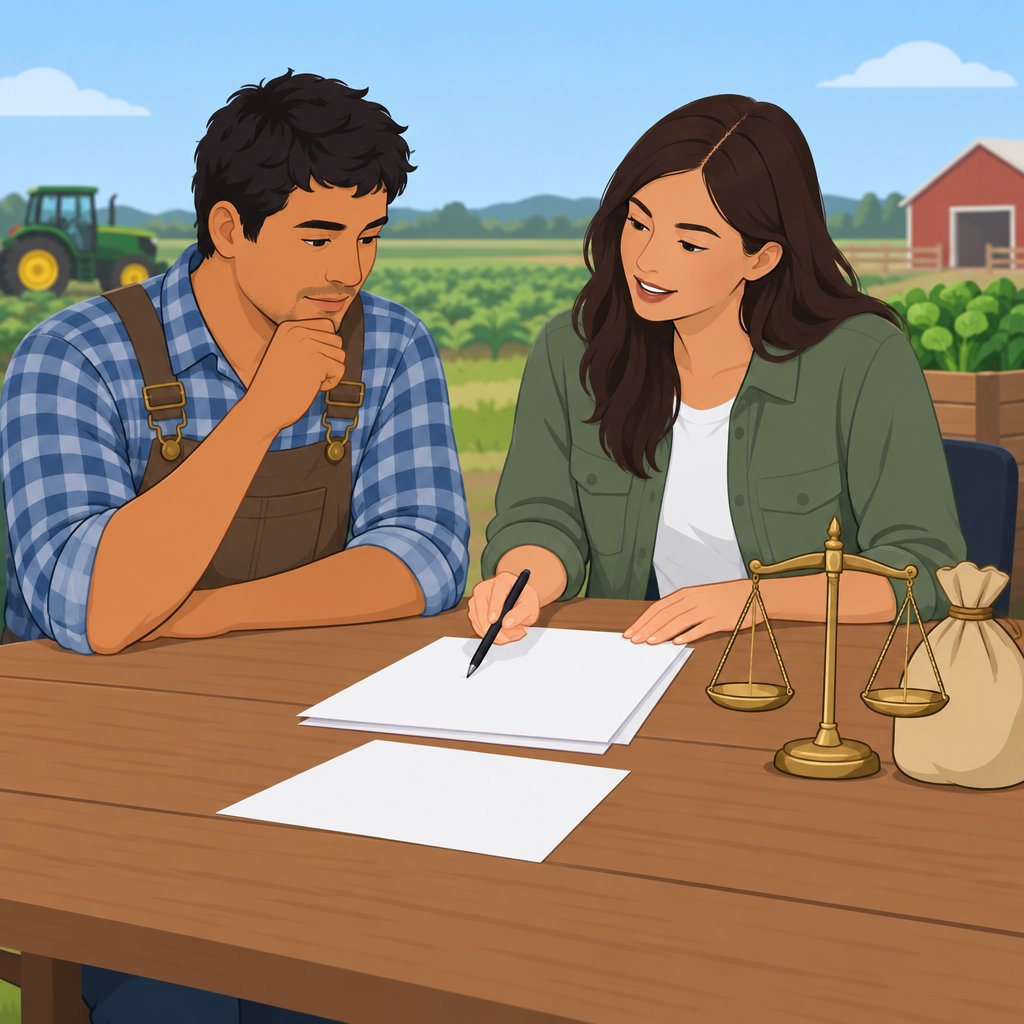
Examples of Violations in Agricultural Employment
These examples show how labor violations may occur during ordinary agricultural work.
For instance, unsafe machinery operation, unpaid overtime, unequal wages, school-hour work, and missed breaks create distinct concerns.
The examples below connect specific workplace situations with the violations described above.
- An agricultural worker is injured while operating heavy machinery due to a lack of safety training.
- A farm owner refuses to pay workers for overtime hours during peak harvest season.
- An employer discriminates against migrant workers by paying them lower wages than other workers.
- A child works in the fields during school hours, violating child labor laws.
- Workers receive no breaks or proper meal times during long shifts in the fields.
You Might Also Like: How Masons Contribute to Sustainable Building Practices
Federal Labor Laws Protecting Agricultural Workers
Federal labor laws protect agricultural workers through specific workplace standards.
The Fair Labor Standards Act and the Migrant and Seasonal Agricultural Worker Protection Act provide key protections.
These laws differ in coverage, hours regulations, minimum wage, and child labor provisions.
- Fair Labor Standards Act
- Migrant and Seasonal Agricultural Worker Protection Act
- Minimum wage and overtime standards
- Child labor protections
Fair Labor Standards Act
The Fair Labor Standards Act establishes minimum wage standards for covered employees.
It also addresses overtime eligibility, recordkeeping, and child labor standards.
The law applies to employees in private businesses and government workplaces.
- The FLSA sets the federal minimum wage for agricultural workers.
- Agricultural workers receive overtime pay at one and a half times their regular rate.
- This overtime rate applies to hours worked beyond 40 in a workweek.
- The FLSA restricts agricultural jobs and working hours for minors under 18.
Migrant and Seasonal Agricultural Worker Protection Act
The Migrant and Seasonal Agricultural Worker Protection Act protects migrant and seasonal agricultural workers.
It addresses labor standards related to the circumstances of these workers.
The law requires employers and labor contractors to follow specific worker protections.
- Employers must provide written information about employment terms and conditions.
- Required information includes wages, housing, transportation, and other benefits.
- Workers have the right to receive wages they have earned.
- Workers have the right to work in safe and healthy conditions.
- The law prohibits illegal fees for job placement and work transportation.
These federal laws support fair working conditions throughout the agricultural industry.
Explore Further: Power Line Installation: A Step-by-Step Guide
State Labor Laws Affecting Agricultural Workers
- State labor laws work with federal laws to protect agricultural workers.
- These laws address agricultural workers’ specific needs and challenges at the state level.
- Additionally, state laws supplement federal protections by providing agricultural workers with additional rights.
Examples of State-Specific Regulations
- In California, agricultural workers receive overtime pay after working eight hours in one day.
- Washington requires employers to provide agricultural workers with rest breaks during the workday.
- New York requires employers to provide agricultural workers with adequate housing and sanitary facilities.
- Oregon protects agricultural workers from pesticide exposure and other workplace hazards.
- Florida gives agricultural workers the right to join labor unions and engage in collective bargaining.
- Texas addresses transportation and housing conditions for migrant agricultural workers.
Uncover the Details: Essential Skills Needed for a Pipelayer Career
How to Report Labor Law Violations
Workers can protect themselves by learning how to report labor law violations.
Detailed records can support complaints about workplace problems.
State agencies and worker organizations can provide reporting guidance.
- Be aware of your rights as an agricultural worker.
- Document any violations with specific details and dates.
- Find out if your state has specific reporting procedures for labor law violations.
- Contact your state labor department to file a complaint.
- Consider reaching out to a labor rights organization for guidance and support.
- File a complaint with the Occupational Safety and Health Administration (OSHA) if safety violations are involved.
Resources and Organizations for Agricultural Workers
Several organizations assist agricultural workers with rights and legal concerns.
Some groups provide legal assistance, while others advocate for farmworkers.
State labor departments explain complaint procedures for agricultural workers.
- United Farm Workers (UFW): A union that advocates for farmworkers’ rights.
- Farmworker Justice: Provides legal assistance to agricultural workers.
- Legal Aid Society: Offers free legal services to low-income individuals, including farmworkers.
- National Farm Worker Ministry: Works on issues affecting farmworkers and their families.
- State Labor Departments: Contact your state’s labor department for information on filing complaints.
See Related Content: Lumberjack Techniques: Felling Trees Safely
Recent Changes in Agricultural Labor Laws
-
Recently, several labor law changes have directly affected agricultural workers.
These changes address long-standing issues across the agricultural sector.
They also seek to improve working conditions for agricultural workers.
-
Consequently, these changes could benefit both workers and employers.
Workers may receive higher wages, safer conditions, and better access to benefits.
Employers may adjust operations, absorb higher costs, and change business practices.
Supporting a Fair and Sustainable Agricultural Sector
Understanding agricultural worker rights and labor laws helps stakeholders promote fair treatment and worker protection.
Both workers and employers must know these laws and uphold them to create a harmonious working environment.
By following labor laws, employers can avoid legal issues and maintain a positive reputation.
Meanwhile, workers can help ensure fair treatment and support a safe work environment.
Compliance benefits all parties and fosters a more productive and equitable agricultural industry.
Therefore, these laws safeguard agricultural workers’ well-being and rights.
All stakeholders should prioritize compliance to promote a just and sustainable agricultural sector.
Transform Your Career Today
Unlock a personalized career strategy that drives real results. Get tailored advice and a roadmap designed just for you.
Start Now


