




Introduction
Protective services play a crucial role in society.
These dedicated professionals protect our safety and well-being every day.
They respond to emergencies, enforce laws, and protect vulnerable populations.
Without their efforts, communities would face increased risks and dangers.
Moreover, protective services extend far beyond immediate emergency responses.
During crises, these professionals save lives and help maintain social order.
Their training prepares them to manage natural disasters and prevent crime.
Consequently, they provide reassurance and strengthen community trust in safety protocols.
Police officers and firefighters remain familiar figures within protective services.
However, those careers represent only a fraction of available opportunities.
Emergency medical technicians, social workers, and disaster response coordinators also support community safety.
Each position addresses different needs and contributes to a comprehensive protection network.
As society evolves, protective services encounter increasingly varied challenges.
Meanwhile, cybersecurity professionals combat digital threats that can jeopardize public safety.
Mental health crisis responders address psychological emergencies and connect vulnerable individuals with appropriate care.
Together, these dynamic roles demonstrate the importance of adaptability within protective services.
Protective services remain vital for maintaining safety and saving lives.
Their diverse career paths serve many needs throughout our communities.
By understanding these professions, we can appreciate the commitment and bravery they require.
Ultimately, protective services support a secure society and deserve recognition and support.
Definition and Scope of Protective Services
Protective services include critical roles that support public safety and community well-being.
These services respond to emergencies, protect communities, and assist people facing danger.
Understanding their scope clarifies how these professionals strengthen safety during ordinary situations and major crises.
What Protective Services Include
Protective services include government and civilian roles dedicated to maintaining public safety.
Professionals identify threats, manage risks, and address emergencies through training and sound decisions.
They combine prevention, response, education, and direct assistance to protect individuals and communities.
Their core responsibilities cover several essential activities.
- Responding to emergencies and dangerous situations
- Preventing crimes and securing communities
- Providing medical care and support
- Educating the public about safety and emergency procedures
Different Branches of Protective Services
Protective services contain several branches that perform distinct but connected functions.
Each branch addresses specific threats while contributing to a broader community safety system.
Together, these professionals respond to emergencies, reduce risks, and support recovery efforts.
- Law Enforcement: Police officers, detectives, and related personnel prevent crime and investigate reported incidents.
- Emergency Medical Services: Paramedics and EMTs assess patients, provide treatment, and transport people to medical facilities.
- Fire Protection: Firefighters prevent fires, respond to incidents, conduct rescues, and manage hazardous materials.
- Disaster Response Services: Emergency agencies, search teams, and volunteers coordinate assistance during natural disasters.
- Public Health Services: Public health officials monitor risks, manage outbreaks, and educate communities about prevention.
How Protective Services Strengthen Community Safety
Protective services influence community safety through separate yet interconnected responsibilities.
Law enforcement agencies enforce laws, prevent crime, and encourage cooperation with residents.
Officers build communication with community members, supporting faster reports of suspicious activities.
Police departments may also support neighborhood watch programs and other crime prevention resources.
Meanwhile, emergency medical services provide rapid assistance during life-threatening medical situations.
EMS personnel assess conditions, prioritize urgent cases, and deliver essential care under pressure.
Fire protection services address fires while also reducing hazards through prevention and education.
Firefighters teach safety procedures, inspect properties, and promote compliance with fire codes.
These activities help communities understand hazards and prepare for emergencies.
Disaster response services manage large emergencies through coordination among agencies and response teams.
Transform Your Career Today
Unlock a personalized career strategy that drives real results. Get tailored advice and a roadmap designed just for you.
Start NowSearch and rescue personnel locate victims and provide assistance during devastating events.
They balance immediate response needs with longer-term recovery and rebuilding efforts.
Public health services protect populations by identifying outbreaks and applying control measures.
Educational programs encourage preventive actions that strengthen community resilience against health crises.
Additionally, cooperation among branches improves operations when emergencies involve multiple risks.
During fires, law enforcement may assist firefighters and emergency medical personnel.
Such collaboration can streamline responses, save time, and protect lives.
Community Support for Protective Services
Community support increases the effectiveness of protective services.
Residents can participate in local safety programs and communicate with public safety professionals.
They can also attend workshops, join neighborhood groups, and volunteer during disaster response efforts.
- Participating in local safety programs and initiatives
- Joining neighborhood watch groups or community councils
- Attending safety workshops organized by law enforcement
- Volunteering with local disaster response teams
Communities can further assist public health initiatives by sharing information about risks and preventive measures.
Informed residents support stronger cooperation and help protective services address challenges more effectively.
Building Safer and More Resilient Communities
Protective services form a connected network that supports safety, health, and emergency preparedness.
Each branch contributes specialized skills while supporting the work of other protective services.
Continued cooperation between professionals and residents can create safer environments and improve community resilience.
Types of Roles Within Law Enforcement
Law enforcement includes various roles that support public safety.
Each role contributes uniquely to crime prevention and community welfare.
These positions require specific skills and training to protect communities effectively.
- Police Officers: These officers patrol neighborhoods, respond to emergencies, and enforce laws.
- Detectives: Detectives investigate crimes, gather evidence, and work to solve cases.
- Sheriffs: Sheriffs oversee county law enforcement, manage jails, and represent local governments.
Responsibilities and Duties in Law Enforcement
Law enforcement officials carry significant responsibilities.
They work daily to ensure civilian safety.
Their duties include patrol, emergency response, investigations, enforcement, engagement, documentation, and testimony.
- Patrolling: Officers regularly patrol communities to deter crime and reassure residents.
- Responding to Emergencies: Police officers respond to emergency calls and assist people in urgent situations.
- Investigating Crimes: Detectives gather evidence, interview witnesses, and analyze leads to solve cases.
- Enforcing Laws: Officers enforce traffic and criminal laws to maintain order and public health.
- Community Engagement: Officers engage with community members, build trust, and encourage cooperation.
- Preparing Reports: Officers document incidents and investigations, ensuring accurate records for future reference.
- Providing Testimony: Officers may testify in court and present findings during legal proceedings.
Evidence of Lives Saved Through Law Enforcement Intervention
Statistics and case studies help quantify law enforcement’s impact on public safety.
Numerous examples demonstrate how police intervention saves lives.
According to the FBI, law enforcement officers arrested over 10 million individuals in 2019.
Many of these arrests directly prevented violent crimes.
Swift action often curtails escalating situations.
- Violent Crime Reduction: Areas with robust police presence often report lower violent crime rates.
- Cities that increased officer visibility saw a 10% decrease in homicide rates.
- Emergency Response: Police officers respond to emergency calls and often save lives in critical situations.
- In 2020, officers saved over 3,500 lives through quick medical assistance until paramedics arrived.
- Drug Overdose Interventions: Many police departments carry naloxone, a drug that reverses opioid overdoses.
- Officers administered naloxone over 34,000 times in 2021, potentially saving thousands of lives.
- Crisis Intervention: Crisis Intervention Teams help individuals experiencing mental health crises.
- Crisis Intervention Team officers de-escalated 75% of such situations without arrests, preserving lives and promoting recovery.
Law Enforcement’s Continuing Role in Community Safety
These data points illustrate law enforcement’s significant role in protecting lives.
Swift interventions often produce positive outcomes for individuals and communities.
Police officers, detectives, and sheriffs support justice and community safety through varied duties.
Rapid responses, investigations, and public engagement can strengthen safety for vulnerable people.
Their commitment to service can enhance the quality of life for Americans.
Explore Further: Impact of Climate Change on Wildland Firefighting
Training and Certification for EMTs and Paramedics
EMTs and paramedics complete extensive training for life-saving emergency roles.
Their preparation combines classroom instruction with practical experience.
Most individuals begin with EMT training, which establishes essential emergency care skills.
Afterward, some professionals advance their qualifications through paramedic programs.
- Basic medical knowledge includes anatomy and physiology.
- Emergency response protocols prepare EMTs for urgent situations.
- First aid and CPR certification support immediate patient care.
- Patient assessment techniques help responders identify urgent needs.
- Trauma and medical emergency management strengthen field readiness.
- EMTs use defibrillators and oxygen administration devices.
EMT programs usually require between 120 and 150 hours of training.
After training, candidates must pass an NREMT certification examination.
Certified EMTs can then work in various emergency settings.
Paramedic programs typically require between 1,200 and 1,800 hours of advanced training.
Transform Your Career Today
Unlock a personalized career strategy that drives real results. Get tailored advice and a roadmap designed just for you.
Start NowThese programs build upon the foundational skills gained through EMT education.
- Paramedics learn advanced airway management and ventilation techniques.
- They provide intravenous therapy and administer medications.
- Advanced cardiac life support forms part of their preparation.
- Trauma care requires detailed critical patient assessments.
- Psychological support and triage methods expand their responsibilities.
Prospective paramedics also complete the NREMT certification examination.
They can officially work as paramedics after passing the examination.
This rigorous preparation helps emergency professionals respond with competence and skill.
Timely Medical Responses and Emergency Survival
Time strongly influences outcomes during emergency medical situations.
Patients generally have better survival chances when they receive appropriate care quickly.
Studies consistently show that early intervention can significantly improve emergency outcomes.
- Emergency service response times influence patient survival.
- Immediate scene assessment helps responders select appropriate treatments.
- Timely transport connects patients with suitable medical facilities.
- Effective communication helps hospitals prepare before patients arrive.
Cardiac arrest demonstrates the importance of immediate intervention.
Each minute without intervention reduces survival chances by about 10 percent.
Therefore, EMTs and paramedics act quickly during cardiac emergencies.
- They provide immediate CPR and defibrillation.
- They manage airway and breathing problems at the scene.
- They administer medications that stabilize patients during transport.
- They communicate critical patient information to hospital staff.
These interventions can substantially change outcomes for people with life-threatening conditions.
Quick decisions and skilled care contribute significantly to improved emergency survival rates.
Responders also strengthen the connection between field treatment and hospital care.
Real-Life Emergency Responses by EMTs
Real-life emergencies demonstrate the commitment of EMTs and paramedics.
These professionals often enter dangerous situations while providing urgent medical assistance.
Their preparation supports timely treatment during unpredictable events.
During one cardiac arrest, an elderly man suddenly collapsed while shopping.
Bystanders called 911, and nearby EMTs arrived within minutes.
The responders immediately began CPR and used an automated external defibrillator.
The device restored the man’s heartbeat, and he survived and fully recovered.
Another emergency involved a highway pileup with multiple injured people.
First responders quickly assessed the scene and prioritized victims according to injury severity.
They treated critically injured patients first and arranged prompt medical attention.
A separate incident involved a child experiencing a severe asthma attack at school.
Teachers contacted emergency services, and EMTs arrived promptly.
The responders administered medication and oxygen, stabilizing the child’s condition.
They then transported the child safely to a hospital for further care.
These incidents illustrate how EMTs provide essential support during emergencies.
Their actions connect urgent situations with advanced medical treatment.
Through training, rapid response, and clinical skill, they help save lives daily.
Their commitment demonstrates the importance of emergency medical services within healthcare.
Learn More: Effective Communication for Campus Security Officers
Firefighters and Fire Protection Services
Firefighters provide the first response to fires and other emergencies.
They complete rigorous training and prepare for many types of incidents.
Additionally, firefighters extinguish fires, rescue people, treat injuries, and teach fire safety.
Roles and Emergency Responsibilities
Firefighters primarily suppress fires and conduct rescue operations.
They respond to emergency calls involving fires, accidents, hazardous materials, and medical needs.
- Fighting structural fires in residential and commercial buildings
- Controlling wildfires in forests and grasslands
- Rescuing people trapped inside vehicles after accidents
- Addressing hazardous materials incidents
- Providing emergency medical assistance when needed
Firefighters use specialized tools and protective equipment to battle fires.
They use hoses, ladders, axes, and protective clothing during emergency operations.
During rescues, they may use hydraulic tools known as the jaws of life.
Transform Your Career Today
Unlock a personalized career strategy that drives real results. Get tailored advice and a roadmap designed just for you.
Start NowTherefore, rapid situation assessment can determine whether people survive dangerous incidents.
Training and Ongoing Preparation
Becoming a firefighter requires extensive training and preparation.
Aspiring firefighters typically complete several educational, medical, and physical requirements.
- Complete a high school diploma or GED
- Gain EMT certification
- Attend a fire academy for specialized training
- Complete physical fitness training and evaluations
- Complete probationary periods while demonstrating practical skills
Training combines classroom instruction with hands-on practical experience.
New firefighters study fire behavior, safety protocols, and equipment operation.
They also practice firefighting techniques through simulations and live drills.
Furthermore, many departments require firefighters to update their skills continuously.
Ongoing training introduces new tactics and technologies for different emergencies.
As a result, firefighters remain prepared to respond effectively.
Heroic Rescues and Community Safety
Firefighters often perform heroic rescues that demonstrate their courage.
These actions can influence community safety and public trust.
Several examples illustrate how firefighters protect people and property.
- A firefighter rescued a family from a burning home after searching the building.
- Firefighters saved people from a multi-car pileup using hydraulic rescue tools.
- During a wildfire, firefighters formed a protective line around communities.
Moreover, firefighters strengthen community connections through public safety programs.
- Hosting fire drills at schools to educate children
- Conducting annual fire safety inspections in residential areas
- Offering CPR and first aid training sessions
These programs foster security and awareness among community members.
They also encourage residents to participate actively in fire prevention.
Knowing how to react during emergencies can save lives and reduce damage.
Emotional Health and Support for Firefighters
Firefighting can create significant emotional stress for those who perform this work.
Witnessing extreme situations may cause trauma and lasting distress.
Firefighters regularly face loss, devastation, and emotionally difficult circumstances.
Consequently, departments need support resources that protect firefighters’ mental well-being.
Many departments provide counseling programs to help firefighters cope.
Open discussions about mental health encourage supportive workplace cultures.
Growing awareness has prompted agencies to reconsider how they support first responders.
Supporting Fire Protection Services
Firefighters save lives and protect property during emergencies.
Their dedication and service create meaningful benefits for communities.
Through training, rescues, and education, they help create safer environments.
Therefore, communities should recognize and support local fire protection services.
Such support helps departments continue serving residents effectively.
Residents can also appreciate firefighters’ daily commitment and sacrifices.
Discover More: U.S. Marshals' Role in Witness Protection
Role of Public Health Officials in Preventing Health Crises
Public health officials play a critical role in safeguarding community health.
They identify and prevent health crises before those crises escalate.
Their responsibilities include monitoring diseases, implementing vaccinations, and educating the public about health risks.
They monitor disease outbreaks through ongoing epidemiological surveillance.
They also implement vaccination programs that reduce disease rates.
Furthermore, they educate communities about hygiene, nutrition, exercise, and injury prevention.
By promoting healthy behaviors, officials help communities prevent illness and injury.
One primary function involves tracking disease spread within populations.
This surveillance helps officials identify trends and anticipate future outbreaks.
Officials analyze health data to guide preventive actions.
Transform Your Career Today
Unlock a personalized career strategy that drives real results. Get tailored advice and a roadmap designed just for you.
Start NowThey also collaborate with healthcare providers to deliver necessary vaccinations.
Their vaccination efforts have significantly reduced several diseases.
Communication also strengthens public health protection.
Officials explain health risks and recommended practices to the public.
During emergencies, they share information that keeps communities informed.
Clear communication improves community resilience against health threats.
Emergency Management Responsibilities During Disasters and Crises
Emergency management professionals prepare for and respond to disasters.
They address natural disasters, pandemics, and public safety threats.
These professionals develop response plans that prioritize human safety and health.
During emergencies, they assess situations and coordinate essential resources.
They focus on restoring order and maintaining access to vital services.
Meanwhile, they provide public updates and manage fear and uncertainty.
Training prepares these professionals to handle crises effectively.
They study risk assessment, crisis intervention, and disaster recovery strategies.
Regular drills help them maintain operational readiness.
Examples of Successful Health Emergency Management
Public health officials and emergency managers have handled numerous health emergencies.
Their coordinated actions have saved lives and limited crisis impacts.
The following examples demonstrate their roles during major emergencies.
- H1N1 Influenza Pandemic (2009): Officials launched vaccination campaigns and shared prevention guidance.
- Ebola Outbreak (2014): Health officials coordinated responses, established treatment centers, and delivered health education.
- COVID-19 Pandemic (2020-Present): Officials launched vaccination efforts and shared hygiene and safety guidelines.
- Hurricane Katrina (2005): Emergency managers organized rescue and recovery efforts for affected populations.
- Wildfire Responses: Officials monitored air quality and shared evacuation guidance and health advice.
These examples highlight the importance of public health and emergency management during crises.
Proactive measures can prevent emergencies from escalating.
Collaboration strengthens responses across local, state, and federal agencies.
These partnerships help officials manage health emergencies more efficiently.
Challenges Affecting Public Health and Emergency Management
Public health officials face several challenges while maintaining essential programs.
Limited funding can restrict their ability to sustain public health initiatives.
Additionally, misinformation can weaken public trust in health guidance.
Crisis situations also change rapidly and increase pressure on professionals.
Officials must adapt quickly while addressing communities’ diverse needs.
Technology provides valuable tools for disease tracking and public communication.
However, technology also requires constant updates and resource investments.
When officials use technology appropriately, it can improve response efforts.
Building Trust and Preparedness for Future Emergencies
Public health officials and emergency managers remain vital to saving lives.
Their surveillance, education, and crisis management protect communities from health threats.
Continuous training helps professionals respond effectively as conditions change.
Strong collaboration further improves preparedness for pandemics and natural disasters.
Public trust will remain essential as communities prepare for future emergencies.
Building strong community relationships can strengthen emergency readiness.
Gain More Insights: Importance of Physical Fitness in Bodyguarding
The Significance of Mental Health Services in Protective Roles
Mental health crisis responders help save lives by addressing urgent mental health needs.
They provide timely care to people experiencing distress.
Society increasingly recognizes mental health as essential to overall well-being.
Transform Your Career Today
Unlock a personalized career strategy that drives real results. Get tailored advice and a roadmap designed just for you.
Start NowTheir interventions can prevent tragedies.
These responders connect people with appropriate support during critical moments.
Types of Crisis Response Jobs
Many people experience mental health crises, including suicidal thoughts, severe anxiety, or psychotic episodes.
Trained professionals assess these situations and provide appropriate support.
Their expertise matters because untreated needs can intensify before a crisis emerges.
- Crisis Counselors: These professionals offer immediate guidance and support through hotlines or onsite crisis services.
- Mental Health Outreach Workers: These workers engage vulnerable communities, share resources, and build trust.
- Mobile Crisis Teams: These teams respond directly, stabilize individuals, and connect them with ongoing support.
- Clinical Psychologists: These professionals assess conditions, provide therapy, and develop longer-term treatment plans.
Strategies for Supporting Mental Health Crises
Effective crisis response depends on well-established strategies.
These strategies promote timely and appropriate interventions.
Responders adapt their approach to each person’s needs and risk level.
- Immediate Assessment: Responders evaluate the situation, assess risk, and determine necessary actions.
- Active Listening: Responders create safety by listening carefully to people’s feelings.
- De-escalation Techniques: Trained responders calm distress and reduce agitation.
- Resource Connection: Responders connect people with services, support groups, and crisis centers.
- Crisis Intervention Plans: Responders create personalized plans after assessing each situation.
Examples of Life-Saving Crisis Interventions
Success stories show how crisis responders can change outcomes.
Their interventions can create hope, stability, and pathways toward ongoing care.
The following examples demonstrate several forms of life-saving support.
- Averted Suicide: A crisis counselor supported a hopeless young man through listening, coping strategies, and resource discussion.
- Community Outreach Success: An outreach worker held neighborhood workshops, increasing awareness and use of mental health services.
- Rapid Response Team: A mobile crisis team assessed a distressed person, connected them with care, and supported stabilization.
- Family Involvement: Crisis counselors helped a teenager and her family create a support plan leading to therapy.
- Educational Initiatives: School programs trained teachers to recognize early signs and support students through earlier intervention.
Mental health crisis responders remain essential to protective services.
Swift action and thoughtful strategies can save lives.
Supportive responses help people find hope and stability.
When people receive necessary care, communities can become healthier and more resilient.
The landscape of protective services jobs in the United States continues to change rapidly.
These jobs support safety, emergency response, and life-saving efforts across communities.
Technology, societal expectations, and community needs continue driving this evolution.
Protective Services Respond to Societal Needs
Protective services address diverse challenges that affect community safety and well-being.
Changing conditions require workers to adapt their responsibilities and training.
These adjustments help professionals meet community demands more effectively.
- Increased Crime Rates: Urbanization has contributed to crime increases, requiring more police officers.
- Natural Disasters: Climate change has increased disasters, making emergency responders essential during hurricanes, floods, and wildfires.
- Public Health Crises: Recent health crises demonstrated the importance of professionals who protect public health.
- Cybersecurity Threats: Technology creates new risks, while cybersecurity professionals help safeguard sensitive data.
- Mental Health Awareness: Greater awareness has increased the need for social workers and psychologists during crises.
Technology Strengthens Protective Services
Technological advancements improve how protective service professionals manage emergencies and safety responsibilities.
These tools can streamline operations, reduce response times, and improve coordination.
Consequently, workers need training that keeps pace with technological changes.
- Drones: Drones survey disaster areas quickly and provide real-time information to emergency responders.
- Artificial Intelligence: Artificial intelligence analyzes crime patterns and supports resource deployment.
- Telehealth Services: Telehealth allows mental health professionals to provide remote support.
- Body Cameras: Body cameras promote accountability and transparency within law enforcement.
- Communication Apps: Secure applications improve communication among emergency responders.
Community Support Sustains Protective Services
Community support helps protective services maintain effective operations.
Adequate funding provides training, resources, and modern equipment.
Moreover, public engagement can strengthen trust and encourage cooperation.
- Education and Awareness: Workshops can explain protective services roles and encourage appreciation.
- Community Policing: Community policing initiatives can strengthen relationships between police and residents.
- Local Fundraising: Schools and nonprofit organizations can raise funds for local protective services.
- Volunteer Programs: Volunteer programs can help fill response gaps and support safety initiatives.
- Funding Advocacy: Conversations with local representatives can support increased protective services funding.
Future Directions for Protective Services
Protective services will continue adapting as communities face new risks and expectations.
Professionals must embrace innovation while maintaining strong community partnerships.
Several developing priorities will shape future responsibilities and workforce needs.
- Integrated Services: Emergency services, health professionals, and community organizations will collaborate more closely.
- Mental Health Focus: Mental health response roles will continue evolving and expanding.
- Resilience Planning: Protective services will develop broader strategies for preparing communities.
- Remote Technologies: Remote tools will connect communities with essential resources more quickly.
- Sustainability: Protective services will pursue sustainable practices for long-term emergency response.
Protective services evolve because society continues presenting new challenges.
Community support and funding help these services remain effective and responsive.
Through innovation and partnership, protective services can continue supporting public safety.
Community Support for Protective Services
Protective service professionals safeguard communities while facing dangerous situations.
Their dedication helps preserve lives and strengthen public safety.
Therefore, communities should recognize these essential contributions.
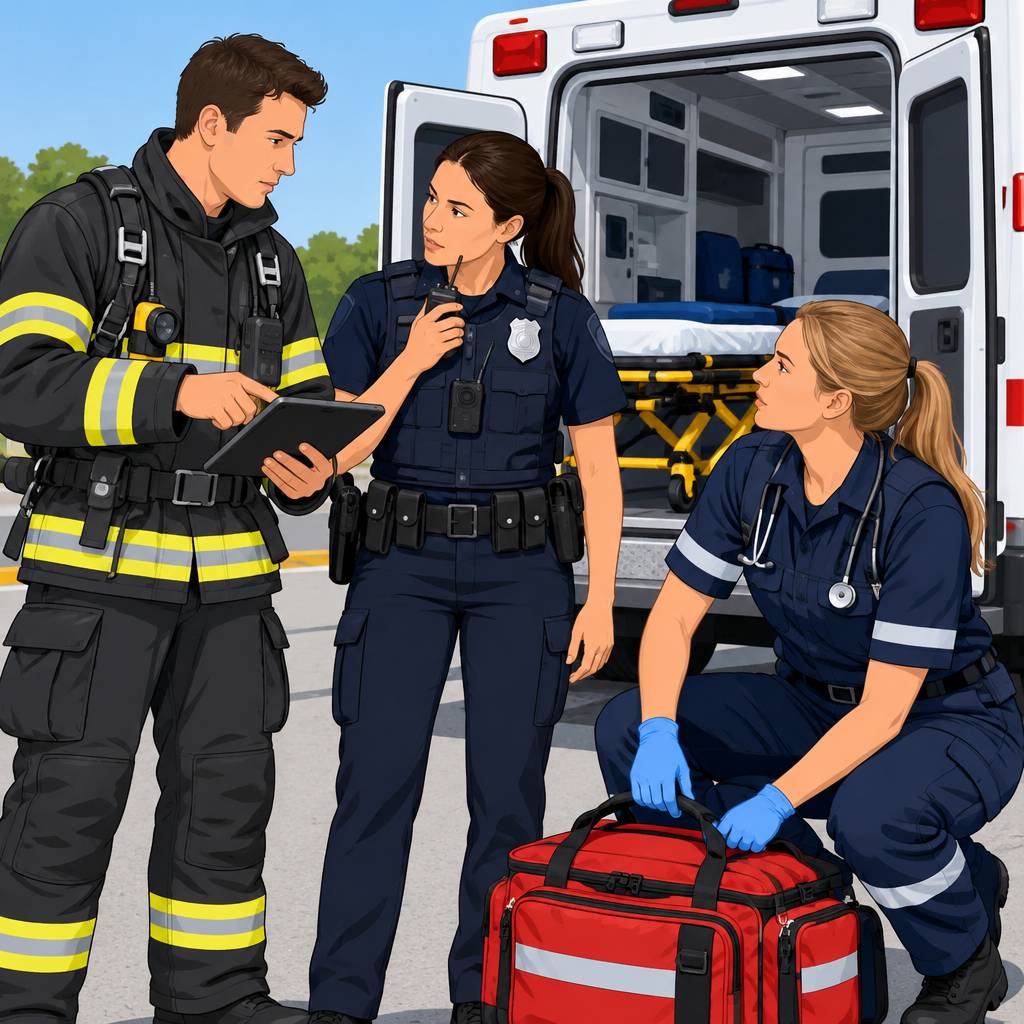
Police officers maintain order and protect citizens.
Firefighters combat fires and rescue trapped people.
Paramedics provide critical medical care during emergencies.
Together, these professionals respond swiftly when people need help.
Transform Your Career Today
Unlock a personalized career strategy that drives real results. Get tailored advice and a roadmap designed just for you.
Start NowPublic awareness helps people understand the challenges these workers face.
Respect and recognition can strengthen their ability to serve.
Moreover, informed communities can build stronger support for protective services.
Citizens can attend community meetings and discuss local safety.
They can also volunteer with local emergency services.
Neighborhood watch programs encourage cooperation and communication.
By participating, individuals support their communities’ well-being.
Furthermore, communities should introduce young people to protective service careers.
Mentoring and education can show youth how these roles serve others.
These careers offer meaningful opportunities to make a difference.
Finally, residents can advocate for protective services in their communities.
They can show appreciation for the dedication and sacrifices involved.
Collective support can help build communities that value public safety.


