




Broadcast Technicians in Media Production
Broadcast technicians play a crucial role in media production.
They ensure seamless sound and visual quality during broadcasts.
Their expertise helps content reach viewers and listeners without interruptions.
Technicians handle equipment ranging from cameras to sound mixers.
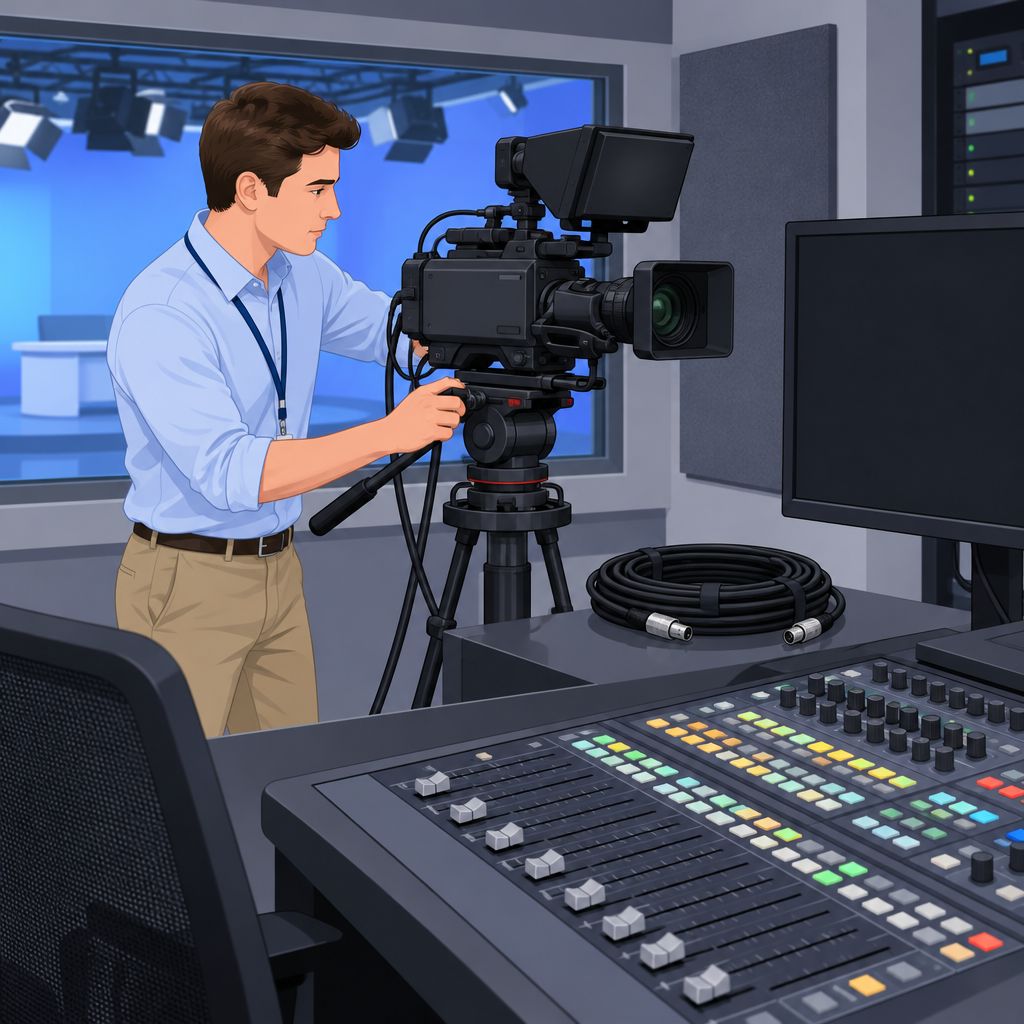
They set up, operate, and maintain technical equipment during productions.
The Importance of Broadcast Technicians
Broadcast technicians remain essential in today’s media landscape.
They support television, radio, and online platforms.
Consequently, their skills improve viewing experiences for audiences worldwide.
These professionals work behind the scenes, yet their impact remains significant.
They troubleshoot problems quickly and minimize disruptions during live broadcasts.
Additionally, technicians monitor signals and make real-time adjustments.
Their quick responses prevent technical issues from distracting audiences.
Moreover, broadcast technicians contribute directly to the creative process.
They collaborate with directors and producers to shape the final product.
By understanding each vision, technicians help realize creative ideas through technology.
They also explain equipment capabilities and limitations during production decisions.
Training and experience strongly influence a technician’s proficiency.
Many technicians complete formal education in broadcasting or related fields.
Meanwhile, hands-on experience helps professionals master equipment and techniques.
Continuous learning remains crucial as technology evolves rapidly.
The demand for skilled broadcast technicians continues to grow.
Streaming services and digital media increasingly seek technically adept professionals.
As a result, their expertise delivers high-quality content across diverse platforms.
As technology advances, technicians will integrate new tools and methods.
Therefore, broadcast technicians remain indispensable in modern media production.
Their skills produce high-quality broadcasts that engage and entertain audiences.
Their importance will continue increasing as the media industry evolves.
Broadcast technicians support media productions through hands-on technical work.
They prepare, operate, and maintain equipment for live and recorded settings.
Their technical decisions help production teams deliver polished audio and visual experiences.
Duties and Responsibilities of a Broadcast Technician
Broadcast technicians manage several technical responsibilities during production.
They prepare equipment, control production systems, and address problems as they appear.
Additionally, they coordinate with creative and technical personnel throughout each production.
Setting Up Equipment
Technicians set up equipment before production begins.
They check each device for proper connectivity and functionality.
This preparation allows the production team to concentrate on creating content without technical interruptions.
- Cameras
- Microphones
- Mixing boards
- Lighting equipment
- Audio and video recorders
Operating Equipment
During productions, technicians control equipment to achieve the intended output.
They monitor broadcasts carefully and respond to changing production needs.
Therefore, focused operation helps protect the audience’s viewing and listening experience.
- Adjusting audio levels
- Switching camera angles
- Controlling live feeds
- Ensuring clear signal transmission
Maintaining Equipment
Routine maintenance reduces the risk of equipment failure during production.
Transform Your Career Today
Unlock a personalized career strategy that drives real results. Get tailored advice and a roadmap designed just for you.
Start NowTechnicians inspect, clean, update, and replace components as needed.
Consequently, regular checks help devices operate smoothly during crucial moments.
- Cleaning lenses and microphones
- Inspecting cables for wear and tear
- Updating software for digital equipment
- Replacing batteries and other expendables
Troubleshooting Technical Issues
Technical problems can emerge unexpectedly during live broadcasts.
Technicians identify faults and apply solutions while production continues.
They also communicate clearly with team members during urgent repairs.
- Identifying issues with sound and video feeds
- Resolving timing and synchronization conflicts
- Fixing equipment malfunctions swiftly
- Communicating issues with team members effectively
Collaborating with Directors and Producers
Technicians work closely with directors and producers during media production.
They translate creative goals into practical technical adjustments.
Moreover, clear communication supports an efficient workflow among crew members.
- Understanding the production’s vision and style
- Implementing adjustments from real-time feedback
- Coordinating with other crew members
- Participating in pre-production technical meetings
Technical Skills for Broadcast Work
Technical proficiency remains essential for broadcast technicians.
They must follow technological developments and learn unfamiliar systems.
Continuous training helps them adapt and pursue career advancement.
- Knowledge of audio mixing and engineering
- Understanding video production software
- Proficiency in camera operations
- Awareness of digital broadcasting standards
Broadcast Technician Work Environments
Broadcast technicians work in several production environments.
Each setting presents different technical demands and working conditions.
As a result, technicians must adjust their skills to meet each production’s needs.
- Studios
- Remote locations for specific shoots
- On-site events such as concerts and sports
- Newsrooms for live broadcasts
- Post-production facilities for editing
Challenges in Broadcast Technical Work
Broadcast technicians manage demanding situations throughout their work.
Tight deadlines and complex systems require practical problem-solving skills.
They also respond quickly when production plans or technical conditions change.
- Managing tight deadlines
- Working with complex technical systems
- Adjusting to changing production plans
- Handling unexpected technical failures
The Ongoing Value of Broadcast Technical Work
Broadcast technicians support the technical foundation of media production.
They prepare equipment, manage live operations, and resolve disruptions under pressure.
By developing their skills, they help production teams maintain consistent broadcast quality.
Required Skills and Qualifications
Broadcast technicians support media production by operating equipment during recording and live broadcasts.
They help production teams maintain reliable audio and visual quality throughout each project.
To succeed, technicians need technical knowledge, practical judgment, and strong workplace communication.
Knowledge of Audio and Video Equipment
Broadcast technicians need a thorough understanding of audio and video equipment.
They regularly operate cameras, microphones, mixers, and other production devices.
Additionally, technicians must set up equipment correctly and troubleshoot problems when they occur.
Industry-standard software also supports efficient production and polished final content.
- Understand camera operation, including focus, framing, and exposure.
- Use microphones and recording devices effectively.
- Edit video with software such as Adobe Premiere Pro or Final Cut Pro.
- Configure lighting setups for different shooting conditions.
- Follow live broadcasting systems and protocols.
Strong Problem-Solving Skills
Broadcast technicians often solve technical problems during production.
Because difficulties can appear suddenly, technicians must remain calm and act quickly.
Resourceful decisions help them resolve issues without interrupting broadcasts.
Moreover, proactive equipment checks allow technicians to address problems before production begins.
- Troubleshoot equipment issues on the spot.
- Find alternatives when original plans fail.
- Manage several tasks under pressure.
- Maintain focus during stressful situations.
- Collaborate with team members to develop solutions.
Performance in Fast-Paced Environments
Media production often requires technicians to work efficiently under tight deadlines.
They may switch between equipment setup, live monitoring, and other technical responsibilities.
Therefore, technicians must respond quickly while preserving accuracy and quality.
Effective time management helps them prioritize work and meet production expectations.
- Manage time effectively during tight production schedules.
- Multitask without sacrificing quality.
- Remain professional during high-pressure situations.
- Adapt to changing situations and requirements.
- Collaborate with creators, producers, and directors in real time.
Technical Proficiency with Networks and Systems
Modern broadcast environments depend heavily on digital technology and networked equipment.
Technicians therefore need practical knowledge of network configurations and troubleshooting methods.
Many productions use IP-based equipment to support digital workflows.
Technicians should also understand streaming technology, compression formats, and broadcast protocols.
- Configure and troubleshoot broadcast networks.
- Use streaming technologies and protocols such as RTMP.
- Apply compression techniques for efficient media delivery.
- Manage digital workflows for broadcast production.
- Use cloud-based tools for collaboration and distribution.
Excellent Communication Skills
Clear communication helps production teams coordinate technical work effectively.
Transform Your Career Today
Unlock a personalized career strategy that drives real results. Get tailored advice and a roadmap designed just for you.
Start NowBroadcast technicians must explain technical information clearly to colleagues.
They also need to discuss production details with directors, producers, and other crew members.
Furthermore, active listening helps technicians respond accurately to feedback and changing needs.
- Communicate clearly when assigning or receiving tasks.
- Explain technical information in simple language.
- Listen actively to team members’ concerns.
- Work collaboratively toward shared production goals.
- Provide feedback tactfully and constructively.
Attention to Detail in Broadcast Work
Attention to detail helps technicians protect production quality.
Small inaccuracies can create significant problems during preparation or live broadcasts.
Technicians must carefully review equipment setups, audio levels, and visual quality.
Regular self-review also helps them identify improvements and reduce rework.
- Complete thorough equipment checks before production.
- Monitor audio and visual quality precisely.
- Identify small errors before they affect final content.
- Improve performance through self-review and feedback.
- Maintain quality while working at speed.
A proficient broadcast technician combines equipment knowledge with practical judgment.
Strong problem-solving, communication, and networking skills support reliable production work.
Technicians who develop these abilities can strengthen their performance and advance within media production.
Learn More: Top U.S. Media Careers That Are Shaping the Future
Broadcast technicians can pursue varied careers across television, radio, live events, film, streaming, and education.
These roles allow them to apply technical expertise within different production environments.
Additionally, growing demand for digital content continues to create new professional opportunities.
Career Opportunities for Broadcast Technicians
Television studios employ technicians to operate and maintain equipment for filming and broadcasting programs.
They may also prepare studio equipment before production begins.
Radio stations offer opportunities to manage audio equipment and support clear program sound.
- Television Studios: Technicians operate and maintain equipment for studio productions.
- Radio Stations: Technicians manage audio equipment and support reliable program sound.
- Live Event Production Companies: Technicians manage audio, video, and lighting equipment during live events.
- Film Production: Technicians prepare and maintain equipment on film sets.
- Online Streaming Services: Technicians support content creation and help maintain uninterrupted streaming.
- Educational Institutions: Technicians manage instructional media facilities and support student productions.
Career Advancement and Professional Growth
Experience can help broadcast technicians move into positions with greater responsibility.
Some professionals lead technical teams, while others develop specialized expertise.
Furthermore, experienced technicians may pursue management, consulting, or freelance opportunities.
- Lead Technician: Lead technicians manage teams and oversee technical operations during projects.
- Technical Director: Technical directors coordinate the technical aspects of broadcasts across departments.
- Specialized Roles: Technicians may focus on audio engineering, video production, or lighting design.
- Consultancy Opportunities: Experienced technicians can advise organizations about technical setups and workflows.
- Management Positions: Technicians may become project managers or department heads.
- Freelancing: Freelance work offers flexibility and access to varied production projects.
Skills That Support Advancement
Career advancement depends on technical knowledge and the ability to manage changing production demands.
Technicians also benefit from clear communication and careful attention to detail.
Moreover, project management and networking can help professionals pursue new responsibilities.
- Technical Proficiency: Technicians need to operate and troubleshoot complex audio and visual equipment.
- Problem-Solving Skills: Quick decisions help technicians address unexpected challenges during broadcasts.
- Attention to Detail: Careful work helps technicians align audio and visual elements accurately.
- Communication Skills: Clear communication supports teamwork among production participants.
- Project Management Skills: Project management knowledge helps technicians coordinate multiple production responsibilities.
- Networking Abilities: Industry relationships can create opportunities for employment and collaboration.
Continuous Education for Broadcast Technicians
Broadcast technology continues to evolve, so technicians must maintain current knowledge.
Professional development introduces new equipment, methods, and industry standards.
Consequently, ongoing learning can strengthen credibility and support long-term career development.
- Professional Development Courses: Courses help technicians learn about evolving technologies and standards.
- Certifications: Certifications demonstrate expertise in specialized technical areas.
- Workshops and Seminars: These events provide learning opportunities with experienced professionals.
- Networking Events: Industry events connect technicians with professionals and technical discussions.
- Online Learning Platforms: Online platforms offer resources for developing broadcast technology skills.
Broadcast technicians can build rewarding careers across many media and production settings.
They can advance through leadership, specialization, consulting, management, or freelance work.
Continuous education helps them respond effectively as broadcast technologies and professional expectations change.
See Related Content: Networking Tips for Media Relations Professionals
Education for Broadcast Technicians
Formal education gives aspiring broadcast technicians a useful foundation.
Programs can develop knowledge related to broadcasting, communications, or electronics.
Students can choose an academic path that matches their technical interests.
- Bachelor’s degree in broadcasting: This program covers theoretical and practical aspects of media production.
- Bachelor’s degree in communications: This degree explores media channels and effective communication techniques.
- Associate degree in electronics: This program develops knowledge of equipment used in broadcasting.
Practical Training Opportunities
Classroom learning becomes more valuable when students apply concepts in real settings.
Hands-on training helps aspiring technicians understand daily broadcasting operations.
Internships, mentorships, and entry-level work can provide this practical experience.
- Internships: Interns gain experience in broadcasting environments while learning from experienced professionals.
- Mentorship programs: Mentors offer guidance about technical and operational challenges.
- Entry-level positions: Audio assistant and camera operator roles build practical understanding.
Capabilities Developed Through Training
Education and training help technicians develop capabilities that support reliable broadcast work.
These capabilities combine equipment knowledge with careful planning and teamwork.
Technicians strengthen these abilities through repeated practice and workplace experience.
- Technical skills: Technicians learn to operate and maintain broadcasting equipment.
- Problem-solving skills: Technicians troubleshoot unexpected equipment and production issues.
- Attention to detail: Careful work supports precise, high-quality production results.
- Communication skills: Clear communication helps teams coordinate their responsibilities.
- Time management skills: Effective scheduling helps technicians meet demanding deadlines.
Certifications and Specialized Study
A degree can establish core knowledge, while additional study can expand professional preparation.
Transform Your Career Today
Unlock a personalized career strategy that drives real results. Get tailored advice and a roadmap designed just for you.
Start NowCertifications may help technicians demonstrate knowledge in electronics and broadcasting technology.
Online courses can also address specific technologies or software used in broadcasting.
- Electronics certifications: These credentials can strengthen knowledge relevant to broadcasting equipment.
- Broadcasting technology programs: Technical schools offer focused training in broadcasting technologies.
- Online courses: Online learning can cover specialized technologies and production software.
Adaptation to Changing Broadcast Technology
Broadcasting technology continues to change, so technicians must maintain current knowledge.
Ongoing learning helps professionals adjust their abilities as tools and practices develop.
Industry engagement can also expose technicians to emerging approaches and useful ideas.
- Continuous learning: Workshops and courses help technicians update their capabilities.
- Industry conferences: Conferences introduce technicians to current advancements and practices.
- Peer networking: Professional conversations can reveal useful methods and innovations.
Preparing for Continued Professional Growth
Broadcast technicians can build strong careers by combining education with practical training.
They can also improve their prospects by pursuing certifications and specialized learning.
Regular skill development helps technicians remain prepared for a changing media environment.
A commitment to learning supports continued progress in technical broadcasting work.
Uncover the Details: How to Pitch Stories to Media Outlets
Broadcast Technician Salaries and Job Outlook
Broadcast technicians can build careers in an expanding media production industry.
Salary levels depend on experience, education, specialization, and geographic location.
Demand continues to grow as technology and viewing habits change.
Average Salary Range for Broadcast Technicians
Entry-level technicians usually earn between $30,000 and $40,000 annually.
Mid-career professionals commonly earn between $40,000 and $60,000 annually.
Experienced technicians with specialized skills can earn more than $70,000 annually.
- Entry-level positions: Fresh graduates generally receive salaries from $30,000 to $40,000 annually.
- Mid-career positions: Technicians with several years of experience often earn $40,000 to $60,000 annually.
- Experienced positions: Specialized technicians can earn more than $70,000 annually.
- Top salaries: Technicians in major markets or prestigious networks may exceed $100,000 annually.
- Specialized roles: Broadcast engineers typically command higher salaries.
Employers may also provide health insurance, retirement plans, and paid time off.
Some companies offer performance-based bonuses.
Workers should evaluate total compensation when comparing job opportunities.
Job Growth Across Media Production
The media production sector has expanded through streaming services and digital content.
New technologies create continuing demand for technicians who can adapt their skills.
The Bureau of Labor Statistics projects about 10 percent employment growth over the next decade.
- Industry growth: Streaming services and digital content continue reshaping media consumption.
- Technology changes: Emerging tools increase demand for adaptable technicians.
- Platform expansion: Cable networks and online services need skilled production workers.
- Career diversity: Technicians can work in radio, television, and online media.
- Retirements: Retiring technicians create openings for new professionals.
Regional Salary Differences
Geographic location strongly influences broadcast technician salaries.
Major cities often offer higher pay because they have greater living costs.
Media production centers can provide stronger opportunities and competitive compensation.
- Cost of living: New York, Los Angeles, and Chicago often pay higher salaries.
- Market demand: Areas with many studios and media companies may offer better prospects.
- Industry presence: California’s Bay Area and Atlanta attract production professionals.
Factors That Influence Earnings
Education and certification can strengthen a technician’s position in the job market.
Experience typically brings higher salaries and greater professional responsibility.
Specialization can increase a technician’s value to potential employers.
- Education: Formal training can support stronger salary opportunities.
- Certification: Technology certifications can provide an advantage during hiring.
- Experience: Additional years often lead to salary increases.
- Specialization: Audio engineering and video editing may offer higher earning potential.
Long-Term Career Prospects
Broadcast technicians can pursue financially rewarding careers as their expertise grows.
Advancing technology will continue changing the tools used in media production.
Technicians who maintain current skills can support reliable and successful productions.
Discover More: Future of Media Planning: Predictions and Insights
Challenges and Limitations of Working as a Broadcast Technician
Broadcast technicians support media production in demanding work environments.
Their responsibilities often test their technical skills, adaptability, and resilience.
Several challenges can affect their schedules, health, professional development, and job stability.
Long Hours and Irregular Schedules
Many broadcast technicians work long hours and follow unpredictable schedules.
Live broadcasts can create especially demanding scheduling requirements.
These demands can affect personal commitments and daily routines.
- Extended Workdays: Technicians may work shifts exceeding eight hours, depending on project demands.
- Weekend and Holiday Work: Live events often occur during weekends or holidays.
- Last-Minute Changes: Broadcast plans may change suddenly, requiring immediate schedule adjustments.
- On-Call Hours: Technicians may remain available for emergency fixes during their downtime.
Irregular hours can increase physical and mental stress.
Technicians may struggle to balance professional responsibilities with personal commitments.
Transform Your Career Today
Unlock a personalized career strategy that drives real results. Get tailored advice and a roadmap designed just for you.
Start NowHigh-Pressure Broadcast Situations
Broadcasting often places technicians in high-pressure situations.
They must solve problems quickly while maintaining composure.
Clear communication and critical thinking help them manage urgent demands.
- Technical Failures: Equipment malfunctions can interrupt broadcasts without warning.
- Live Broadcasts: Technicians must address mistakes immediately during live events.
- Unexpected Changes: Technicians must adjust quickly when production plans change.
- Collaboration: Teams need clear communication to prevent costly misunderstandings.
These conditions require technicians to think critically and act swiftly.
The ability to remain calm can support reliable performance during urgent situations.
Physical and Mental Strain
Broadcast technicians often work in physically demanding environments.
They must manage physical tasks while handling demanding production schedules.
Without proper care, these demands can affect long-term well-being.
- Heavy Equipment: Setting up and dismantling equipment can create physical strain.
- Long Periods of Standing: Extended standing can cause fatigue.
- Stress and Anxiety: Deadlines can contribute to mental strain.
- Noise Exposure: Loud environments can affect hearing over time.
Technicians should prioritize their well-being during physically demanding assignments.
They can also develop strategies that reduce unnecessary physical and mental strain.
Continuous Learning Requirements
Broadcast technology evolves rapidly and requires ongoing professional development.
Technicians must update their knowledge as equipment, software, and standards change.
Busy schedules can make consistent training difficult to maintain.
- Emerging Technologies: New equipment and software require ongoing training.
- Regulatory Standards: Technicians must monitor changes in broadcasting regulations.
- Industry Trends: Technicians must understand shifts in viewer preferences.
- Training Resources: Packed schedules can limit access to learning opportunities.
Continuous education can create additional pressure alongside regular work responsibilities.
Technicians must balance current assignments with efforts to strengthen their skills.
Job Security and Freelance Challenges
Many broadcast technicians work as freelancers or accept short-term contracts.
These arrangements can create uncertainty about income and future assignments.
Technicians must often manage professional competition while seeking new opportunities.
- Inconsistent Income: Freelancers may experience unemployment between assignments.
- Limited Benefits: Freelance positions typically provide fewer health or retirement benefits.
- Networking Pressure: Strong professional relationships can help technicians secure assignments.
- Competition: More technicians can increase competition for available jobs.
Employment instability can cause anxiety for many technicians.
They must navigate uncertainty while continuing to perform effectively.
Building Resilience in Broadcast Technology
Broadcast technicians face demanding schedules, urgent problems, and changing professional requirements.
These challenges require technicians to manage stress and protect their well-being.
Continuous learning and effective communication can help technicians manage this demanding profession.
Broadcast technicians work in an industry that changes constantly.
They must track new tools, systems, and production methods.
This commitment helps them work effectively and deliver dependable results.
Adapting to New Audio and Video Technology
Broadcasting technology develops rapidly across audio and video production.
Therefore, technicians must learn how new equipment and software operate.
Modern tools can improve production quality, efficiency, and creative control.
- Improved Quality: Updated equipment can produce clearer sound and sharper visuals.
- Enhanced Functionality: New software can simplify complex tasks and improve production workflows.
- Increased Efficiency: Modern tools can reduce task times and help technicians complete more work.
- Adaptability: Technicians can respond faster when production environments change unexpectedly.
- Creative Opportunities: Advanced tools can support experimentation and encourage innovative production techniques.
The audio and video landscape will continue changing.
As a result, technicians who ignore new developments may lose professional relevance.
Technicians who embrace change can remain competitive among their peers.
Continuing Education for Professional Growth
Technology alone cannot maintain a technician’s effectiveness.
Ongoing education helps professionals strengthen their knowledge and develop current skills.
Consequently, technicians can prepare for changing expectations within the media industry.
- Formal Training Courses: Specialized courses can explain unfamiliar technologies and production practices.
- Workshops and Seminars: These events can develop practical skills and introduce emerging trends.
- Online Tutorials and Webinars: Online instruction lets technicians learn at convenient times and locations.
- Networking Events: Industry gatherings can encourage knowledge sharing among professionals.
- Certification Programs: Certifications can demonstrate technical knowledge and commitment to development.
Further education gives technicians more confidence when using current tools.
It also helps them apply new trends effectively during production.
Updated knowledge can make technicians more valuable within their workplaces.
Strategies for Remaining Relevant
Technicians can remain relevant by combining technical practice with regular learning.
An open mindset helps professionals respond constructively to unfamiliar developments.
Transform Your Career Today
Unlock a personalized career strategy that drives real results. Get tailored advice and a roadmap designed just for you.
Start NowMoreover, proactive habits allow technicians to build useful knowledge before demands increase.
- Regular Research: Trade publications and industry blogs can reveal important developments.
- Professional Associations: These groups can provide learning resources and networking opportunities.
- New Tool Practice: Hands-on experimentation can strengthen confidence with unfamiliar software and equipment.
- Feedback: Comments from peers and supervisors can identify practical areas for improvement.
- Personal Projects: Independent work can help technicians apply developing skills in realistic settings.
These strategies encourage technicians to take responsibility for their professional development.
They also help professionals respond to industry changes with greater confidence.
Consistent learning can support long-term relevance in broadcasting.
Collaboration as a Learning Resource
Technicians can strengthen their learning by collaborating with colleagues.
Shared experiences often reveal practical solutions to common technical problems.
In addition, teamwork can encourage creativity and broaden professional perspectives.
- Shared Experiences: Colleagues can exchange solutions for difficult troubleshooting situations.
- Skill Exchange: Technicians can teach one another useful methods and technical skills.
- Innovation: Group discussions can inspire fresh ideas and creative approaches.
- Support Networks: Professional relationships can provide motivation, feedback, and encouragement.
- Diverse Perspectives: Different viewpoints can improve problem-solving and decision-making.
Effective collaboration creates a stronger learning environment for everyone involved.
Technicians can expand their abilities by sharing knowledge and accepting guidance.
Their combined development can support higher standards throughout media production.
Technicians who keep learning can manage change more effectively.
They can also improve efficiency while exploring new creative possibilities.
Ultimately, adaptability and education support continued success in broadcasting.
Technical Contributions to Media Production
Broadcast technicians help media teams deliver clear sound and visuals to audiences.
They prepare equipment and troubleshoot problems throughout production.
Consequently, broadcasts depend on their expertise for smooth operation.
Their contributions span filming, post-production, and live events.
During live programs, precise technical work supports reliable results.
Specializations and Professional Variety
The field includes sound engineers, video operators, and transmission engineers.
Each specialty combines technical knowledge with creative problem-solving.
Furthermore, varied projects introduce challenges that strengthen professional skills.
This range can make a career engaging and continually stimulating.
Technicians can explore different production areas as their interests develop.
Digital Media and Career Potential
Digital media continues to increase demand for skilled broadcast technicians.
Streaming services and social media platforms need dependable production support.
As audiences consume more content, producers require consistently high-quality results.
Aspiring technicians can enter this changing field through education and hands-on experience.
Additionally, networking with industry experts can help beginners discover opportunities.
For media and technology enthusiasts, fast-paced workplaces encourage growth and learning.
Technicians collaborate with creative teams and strengthen problem-solving abilities.
Live broadcasts and completed productions can provide meaningful satisfaction.
Their work reaches audiences worldwide.
A career in this field offers dynamic challenges as media continues evolving.
Additional Resources
Google search results for Broadcast Technician: Role in Media Production Media and Communication
Bing search results for Broadcast Technician: Role in Media Production Media and Communication


