




Broadcast Technicians and Media Production
Broadcast technicians play a vital role in media and communication.
They balance technology with creative production.
These professionals set up, operate, and maintain broadcasting equipment.
Their expertise supports smooth radio, television, and online transmissions.
Without their knowledge, critical broadcasts could face interruptions and technical failures.
They form the backbone of live events and recorded programs.
Technical Responsibilities in Broadcasting
Technicians manage both audio and video signals.
They handle microphones, editing systems, and other essential tools.
Consequently, their skills directly influence content quality for audiences.
Reliable technical work helps programs reach viewers without disruption.
Adapting to Changes in Media Technology
The media landscape continually introduces new technologies and methods.
Streaming services have changed how audiences consume content.
Therefore, technicians must adapt to evolving viewer preferences.
They now use advanced software and hardware to improve viewing experiences.
Cloud-based technology also appears more often in broadcasting operations.
Social media has changed how information spreads.
Technicians collaborate with content creators to optimize online delivery.
They adjust formats for different platforms and reach wider audiences.
Maintaining Broadcast Quality and Professional Skills
Demand for high-definition and immersive content continues to grow.
High 4K and 8K resolution now establish new broadcast standards.
Technicians must maintain sharp skills while managing these advancements.
They pursue continuous training to remain competitive in this fast-paced industry.
By adapting to technological trends, these professionals support seamless broadcasting and audience satisfaction.
Their roles will continue expanding as media technology progresses.
Role of a Broadcast Technician
Broadcast technicians play a crucial role in the media landscape.
They form the backbone of production by ensuring seamless operation behind the scenes.
Their work supports television and radio broadcasting formats.
Each day, they address challenges requiring technical skills and careful attention to detail.
Primary Responsibilities of a Broadcast Technician
Broadcast technicians manage several core responsibilities that support successful broadcasts.
Their duties cover many areas of audio and video technology.
- Setting Up Equipment: They assemble and configure cameras, microphones, lighting systems, and other broadcast equipment.
- Maintaining Equipment: They inspect devices regularly to prevent faults that could disrupt broadcasts.
- Monitoring Signals: They monitor audio and video signals to maintain a strong audience experience.
- Operating Control Room Equipment: They operate mixers, switchers, and graphics generators during production.
- Collaborating with Other Professionals: They coordinate with directors, producers, and camera operators during production.
Behind the Scenes Operations
Broadcast technicians work tirelessly behind the scenes.
Viewers often overlook their efforts, although those efforts remain critical to broadcast success.
They complete several essential tasks before and during live productions.
- Pre-Broadcast Testing: They test audio levels, video clarity, and overall system functionality before live events.
- Setting Up Graphics and Effects: They implement visual effects and graphics to create polished broadcasts.
- Adjusting Levels: They adjust audio and video levels continuously to maintain consistent quality.
- Switching Between Feeds: They switch between cameras and sources to maintain viewer engagement.
- Maintaining Communication: They communicate with the crew through intercom systems during production.
The Importance of Troubleshooting
Troubleshooting ranks among the most vital skills for broadcast technicians.
Technical issues can arise during live broadcasts and demand immediate solutions.
Effective troubleshooting protects continuity, quality, and team confidence.
- Preventing Outages: Technicians identify problems quickly to prevent outages and interruptions.
- Ensuring Quality: They resolve issues immediately to maintain high audio and video quality.
- Reducing Stress: Quick resolutions help other team members focus on their responsibilities.
- Enhancing Skills: Frequent troubleshooting strengthens technicians’ problem-solving abilities through repeated challenges.
- Building Trust: Reliable technicians build trust with producers and directors by resolving issues quickly.
The Lasting Value of Broadcast Technical Expertise
A broadcast technician’s role involves more than operating equipment.
These professionals manage critical tasks that support quality content.
As the media landscape evolves, broadcast technicians become increasingly important.
Their adaptability and real-time troubleshooting skills provide invaluable support during broadcasts.
Transform Your Career Today
Unlock a personalized career strategy that drives real results. Get tailored advice and a roadmap designed just for you.
Start NowBroadcasting Technology and Industry Change
Technology continues to reshape media and communication.
Broadcasting has experienced major advances during the past several decades.
These changes have transformed content production, transmission, and consumption.
Evolving Technologies in Broadcasting
Broadcasting technology has changed significantly through the transition from analog systems to digital platforms.
This transition improved broadcast quality and expanded opportunities for content distribution.
Digital systems also support more efficient and flexible broadcasting operations.
Transition from Analog to Digital Broadcasting
The move from analog to digital broadcasting changed how audiences consume media.
Analog signals often lose quality over distance.
Digital systems compress audio and video signals, improving clarity and reducing noise.
- Improved Quality: Digital broadcasting provides higher-resolution images and clearer sound.
- Increased Efficiency: Digital signals use bandwidth more efficiently and support more channels.
- Interactivity: Digital platforms support on-demand viewing and multi-channel audio.
Broadcast technicians help organizations move from analog sources to digital formats.
They upgrade equipment, complete specialized training, and follow developing technologies.
These efforts support reliable delivery across modern broadcasting systems.
Streaming Services and Online Platforms
Streaming services and online platforms have altered traditional broadcasting methods.
Audiences now have more choices and greater control over viewing schedules.
Consequently, traditional broadcasters face declining viewership and stronger competition.
- Consumer Preferences: Viewers can watch programs whenever convenient.
- Original Content: Streaming services invest heavily in exclusive programming.
- Global Reach: Online platforms help broadcasters reach international audiences.
Traditional broadcasters increasingly respond by launching their own streaming services.
This strategy creates additional technical requirements and new opportunities.
It also connects broadcast operations with online content delivery.
Adapting to New Technologies
Technological change requires continuous learning and regular skill development.
Training programs help professionals strengthen their understanding of modern systems.
Hands-on experience provides practical knowledge for working with updated equipment.
- Training Programs: Ongoing courses help professionals improve their technical skills.
- Staying Updated: Industry trends help professionals understand emerging technologies.
- Hands-On Experience: Modern equipment provides valuable practical experience.
Professionals also collaborate with engineers and content creators.
This teamwork encourages innovation and strengthens problem-solving.
Furthermore, technological advances make flexibility across different work environments increasingly important.
Automation in Broadcasting Operations
Automation has become increasingly important throughout broadcasting.
Automated systems streamline operations and improve efficiency.
They also reduce repetitive tasks and allow greater attention to creative work.
- Automated Playback: Systems manage scheduled programming with less manual intervention.
- Content Management: Automation helps teams catalog and retrieve media efficiently.
- Quality Control: Automated systems monitor broadcast quality and identify issues quickly.
However, automated systems still require careful oversight.
Professionals must troubleshoot problems when automated processes fail.
This attention helps maintain uninterrupted broadcasting for audiences.
Cloud Technology and Broadcasting Collaboration
Cloud technology has changed how broadcasting teams store and manage resources.
It provides flexible storage and supports collaboration across locations.
As a result, teams can coordinate their work more efficiently.
- Access to Resources: Cloud storage provides access to media files from many locations.
- Collaboration Tools: Cloud platforms support real-time teamwork.
- Cost Efficiency: Cloud services reduce spending on physical storage infrastructure.
Cloud services allow teams to manage large volumes of data without extensive physical storage.
They also support flexible work regardless of location.
Therefore, cloud technology improves access, coordination, and operational flexibility.
Emerging Trends in Broadcasting Technology
Broadcasting continues to develop as new technologies influence audience engagement.
Future systems will offer more immersive experiences and adaptable content delivery.
Professionals must prepare for these changes through lifelong learning.
- Virtual Reality and Augmented Reality: These technologies can create immersive viewing experiences.
- Enhanced User Experience: Artificial intelligence can personalize content recommendations.
- 5G Technology: Faster connections can improve broadcasting and streaming capabilities.
Adaptability will remain important as broadcasting technologies continue to change.
Transform Your Career Today
Unlock a personalized career strategy that drives real results. Get tailored advice and a roadmap designed just for you.
Start NowProfessionals should develop skills that match emerging systems and workflows.
The industry will continue balancing technological progress with changing audience expectations.
Delve into the Subject: Challenges Media Buyers Face and How to Overcome Them
Automation and Remote Broadcasting
Broadcasting continues to evolve through automation and remote operations.
These technologies streamline operations, improve efficiency, and reshape technical workflows.
They also change how broadcast technicians manage routine and complex responsibilities.
The Role of Automation in Broadcasting
Automation combines software and hardware systems to manage broadcasting tasks.
As a result, technicians can reduce manual work and focus on complex issues.
Furthermore, automated tools support consistent output and more organized operations.
- Increased Efficiency: Automation reduces the time required for routine tasks.
- Consistency in Quality: Automated systems deliver uniform output quality.
- Cost Reduction: Automation can lower operational costs and improve resource allocation.
- Improved Workflow: Automated scheduling and content management systems streamline team activities.
Therefore, automation creates a more efficient broadcasting environment.
It also reduces reliance on manual intervention.
The Growth of Remote Broadcasting
Remote broadcasting allows technicians to monitor and control equipment from different locations.
This approach provides flexibility when teams manage broadcasts across geographical boundaries.
Additionally, remote tools help technicians respond quickly to changing circumstances.
- Accessibility: Technicians can manage broadcasts from any location with internet access.
- Rapid Deployment: Remote setups help technicians deploy broadcasts quickly.
- Enhanced Collaboration: Remote tools support cooperation among technicians in different locations.
- Scalability: Companies can expand remote operations without extensive on-site staffing.
This shift demonstrates the industry’s adaptability to technological advancement.
Moreover, remote monitoring tools can help technicians improve productivity.
Challenges of Automation and Remote Broadcasting
Automation and remote broadcasting also create challenges for broadcast technicians.
Technicians must recognize these obstacles before implementing new systems.
Careful preparation supports reliable operations and preserves essential technical skills.
- Technical Difficulties: Automation systems may experience glitches or downtime.
- Dependence on Technology: Excessive automation can weaken hands-on technical skills.
- Cybersecurity Threats: Remote broadcasting can expose systems to security risks.
- Training Needs: Technicians need ongoing training to use automation tools effectively.
Technicians should troubleshoot failures quickly when automated systems encounter problems.
They should also balance automated processes with practical expertise.
Operational Benefits of Integrated Broadcasting Tools
When teams manage these challenges, automation and remote broadcasting provide significant operational benefits.
These tools help technicians respond to changing demands without reducing quality.
They also allow companies to use resources more efficiently.
- Flexibility: Technicians can adjust schedules and broadcast operations as demands change.
- Real-time Monitoring: Remote tools help technicians identify equipment issues immediately.
- Increased Productivity: Automation gives technicians more time for strategic initiatives.
- Cost-Effectiveness: Lower overhead costs can support more efficient resource allocation.
Consequently, integrated tools can improve operational efficiency.
Technicians who adapt to these systems can pursue new opportunities within broadcasting.
Future Directions for Broadcast Operations
Automation and remote broadcasting continue to reshape media and communication operations.
Technicians can support this evolution by learning new tools and maintaining practical expertise.
Ultimately, adaptable professionals can use technology to deliver compelling broadcast content.
See Related Content: Content Strategy for Product Launches
As media technology evolves, formal education can help aspiring broadcast technicians prepare for technical careers.
Training programs provide foundational knowledge for work involving broadcasting, sound, and video systems.
They also introduce practical skills that support performance in changing production environments.
Benefits of Formal Broadcast Training
Formal programs strengthen technical understanding and prepare students for workplace responsibilities.
Furthermore, structured instruction helps learners connect classroom principles with practical broadcasting tasks.
Educational institutions can also introduce students to industry professionals and current broadcasting practices.
- Knowledge acquisition: Programs teach broadcasting, sound, and video technology principles.
- Hands-on experience: Students practice using audiovisual equipment and develop technical proficiency.
- Professional networking: Institutions connect students with professionals and potential employment opportunities.
- Industry standards: Training introduces current practices and expectations within broadcasting.
- Certification: Programs may provide credentials that strengthen qualifications and employability.
Skills and Qualifications for Broadcast Technicians
Broadcast technicians combine technical knowledge with communication, creativity, and careful attention.
They must also troubleshoot equipment quickly when production problems arise.
Employers often consider education and certifications when evaluating candidates for technical positions.
- Technical knowledge: Technicians understand audio, video, software, and signal transmission systems.
- Problem-solving: They troubleshoot broadcast issues efficiently, including problems arising during live productions.
- Attention to detail: Careful monitoring helps technicians maintain high-quality audio and visual output.
- Communication skills: Clear communication supports teamwork during production and post-production.
- Creativity: A creative mindset benefits live broadcasts and special projects.
Many employers prefer candidates with an associate’s or bachelor’s degree in a related field.
Transform Your Career Today
Unlock a personalized career strategy that drives real results. Get tailored advice and a roadmap designed just for you.
Start NowRelevant certifications can further demonstrate professional preparation and technical ability.
Computer science or information technology experience can support digital broadcasting responsibilities.
Career Paths in Broadcast Technology
Broadcast technicians can pursue several roles within media and communication organizations.
Experience and continued education can support advancement into more specialized positions.
Each career path emphasizes different equipment, workflows, and production responsibilities.
- Audio technician: This role manages sound recording, mixing, and broadcast audio quality.
- Video technician: This role handles cameras, lighting, and video editing equipment.
- Master control operator: This role manages signals and supports smooth programming transmission.
- Broadcast engineer: This role installs and maintains broadcasting equipment and systems.
- Production assistant: This role supports planning and execution throughout media production.
- Live event technician: This role manages technical tasks during live events.
With experience, technicians may advance into senior engineering or technical direction roles.
Some experienced professionals may also establish their own production companies.
Continuous learning helps technicians adapt as broadcasting technology changes.
Preparing for a Broadcast Technology Career
Education gives aspiring technicians a foundation for developing technical and professional capabilities.
Practical experience further helps learners apply equipment knowledge during production work.
By continuing to learn, technicians can pursue varied opportunities across broadcasting and media production.
See Related Content: Print Production Manager: Certifications to Consider
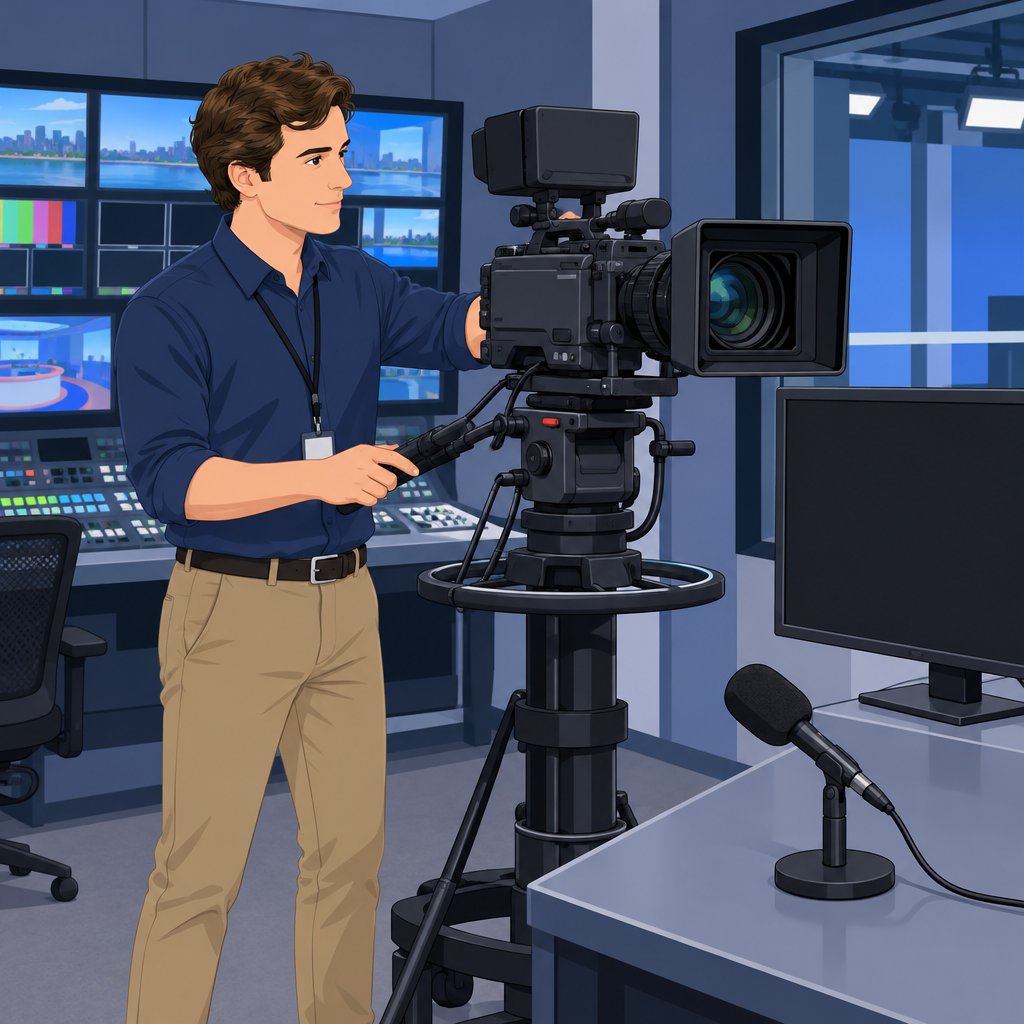
Collaboration with Other Media Professionals
Collaboration helps media professionals create smooth and effective productions.
Broadcast technicians connect creative ideas with the technology required for production.
Each professional contributes specialized skills that strengthen the final broadcast.
- Producers: Producers oversee production and help the team maintain smooth operations.
- Directors: Directors guide the creative vision and manage the broadcast’s artistic direction.
- Writers: Writers create scripts and storylines that guide the production.
- Cameramen: Cameramen capture visuals that translate written content into engaging images.
- Editors: Editors assemble footage into coherent and engaging broadcasts.
The Value of Teamwork in Broadcasting
Teamwork supports successful broadcasts by connecting every production responsibility.
When professionals cooperate, they solve problems more effectively during live situations.
Furthermore, clear responsibilities reduce duplicated effort and improve production efficiency.
- Enhanced Problem Solving: Collaboration brings multiple perspectives to real-time production challenges.
- Fluid Communication: Open communication helps teams resolve issues quickly and protect production schedules.
- Shared Creativity: Diverse viewpoints encourage innovative and engaging broadcast content.
- Support System: Close teamwork gives members encouragement during demanding production tasks.
- Improved Efficiency: Defined responsibilities streamline workflows and increase productivity.
Communication and Coordination Practices
Strong communication gives production teams a reliable foundation for collaboration.
Broadcast technicians must explain technical information clearly to colleagues with different responsibilities.
Moreover, coordinated communication helps each professional respond to changing production needs.
- Clarity: Technicians should explain technical information without confusing specialized jargon.
- Active Listening: Team members should listen carefully to understand needs and ideas.
- Feedback: Constructive feedback helps technicians improve production processes.
- Conflict Resolution: Open discussion helps teams address disagreements before they escalate.
- Regular Meetings: Frequent meetings help teams identify challenges and develop solutions.
Broadcast Technician Responsibilities
Broadcast technicians help content creators realize artistic ideas while maintaining technical accuracy.
They provide technical support throughout preparation, live production, and problem resolution.
Additionally, they coordinate closely with directors and producers during broadcasts.
- Setting Up Equipment: Technicians set up cameras, microphones, and lighting equipment.
- Monitoring Signals: They monitor broadcast signals to maintain high-quality transmission.
- Operating Control Rooms: Technicians manage control rooms during live broadcasts.
- Troubleshooting Issues: They resolve technical problems quickly when they arise.
- Collaboration: Technicians support directors and producers with technical guidance.
Supporting Creative Production Goals
Technical expertise helps preserve the creative direction of each broadcast.
Technicians interpret artistic goals and make informed decisions during production.
They also adapt quickly when production plans change unexpectedly.
- Understanding Artistic Goals: Technicians learn the project’s vision before making production decisions.
- Contributing Ideas: Their experience can suggest techniques that strengthen the broadcast.
- Adapting to Changes: Technicians adjust quickly when productions require new plans.
- Providing Reliable Technology: They maintain equipment to reduce technical disruptions.
- Ensuring Consistency: Technicians maintain consistent quality throughout the production.
Effective collaboration allows media professionals to combine creativity, communication, and technical skill.
As a result, coordinated teams deliver broadcasts that engage audiences and satisfy stakeholders.
Delve into the Subject: Managing Print Production for Large-Scale Projects
Broadcast Technician Job Market Trends
The broadcast technician job market shows promising growth as media technology continues to develop.
Employers need skilled professionals who can support changing production and communication systems.
Therefore, technicians who combine technical knowledge with adaptability can pursue varied opportunities.
Expanding Multimedia Platforms
Multimedia platforms have changed how audiences consume audio and video content.
Streaming services, podcasts, and online video platforms now create varied technical requirements.
As a result, broadcast technicians can support productions beyond traditional radio and television environments.
- Live streaming events require technical support for reliable presentations.
- Online creators need assistance with audiovisual equipment setup and maintenance.
- Podcast growth has increased demand for audio engineers and sound technicians.
- Virtual and augmented reality applications require specialized technical knowledge.
- Social media video content continues to create opportunities for broadcast professionals.
Career Paths for Broadcast Technicians
Broadcast technology offers career paths across traditional media organizations and newer technology companies.
Professionals can focus on sound, video, field operations, or broader media production.
Moreover, each specialization supports different stages of content creation and delivery.
- Television Broadcast Technician: This professional manages technical elements during live and recorded broadcasts.
- Audio Engineer: This specialist records, mixes, and edits sound for media productions.
- Video Technician: This technician supports video production, including filming and editing tasks.
- Field Technician: This professional installs broadcasting equipment at different live event locations.
- Media Production Specialist: This specialist combines media formats into cohesive productions.
Challenges Affecting the Profession
Despite positive prospects, broadcast technicians face several practical challenges.
Transform Your Career Today
Unlock a personalized career strategy that drives real results. Get tailored advice and a roadmap designed just for you.
Start NowRapid technological change requires professionals to update their knowledge regularly.
In addition, demanding schedules and limited budgets can affect daily working conditions.
- Keeping Skills Current: Technicians need continuing education as technology changes.
- Job Competition: Growing interest in media careers can increase competition.
- Irregular Hours: Broadcast work may include evenings, weekends, and holidays.
- Physical Demands: Technicians may lift equipment and remain standing for extended periods.
- Budget Constraints: Limited funding can restrict technical upgrades and available resources.
Skills That Support Career Success
Successful broadcast technicians develop technical, creative, and interpersonal abilities.
They must respond quickly when equipment problems affect live or recorded productions.
Furthermore, careful communication helps technicians coordinate their work with production teams.
- Technical Proficiency: Technicians need strong knowledge of audio and video equipment.
- Problem-Solving: Professionals should diagnose and resolve technical issues quickly.
- Creativity: Creative thinking can strengthen the storytelling aspects of media production.
- Attention to Detail: Precision helps technicians maintain high-quality technical output.
- Team Collaboration: Clear communication supports effective work within production teams.
Education and Training Pathways
Several education and training options can prepare individuals for broadcast technician careers.
Formal study can introduce essential concepts involving broadcasting, sound, and video systems.
Meanwhile, practical experience helps learners apply technical knowledge in production settings.
- Associate Degree: An associate degree in broadcasting can provide foundational preparation.
- Bachelor’s Degree: A bachelor’s degree can offer deeper knowledge and improve job prospects.
- Certificate Programs: Certificates can target specific equipment or technical skills.
- Internships: Internships provide valuable practical experience in broadcasting environments.
- Continuing Education: Workshops and seminars help technicians maintain current skills.
Future Opportunities in Broadcasting
Broadcast technicians can find opportunities as media platforms continue expanding.
Adaptable professionals can respond to changing equipment, workflows, and audience preferences.
With suitable preparation, technicians can build careers across media and communication environments.
Adapting to New Broadcasting Standards
Streaming services now dominate, so traditional broadcasters must adapt.
High-definition content requires technicians to develop stronger technical skills.
They must learn new equipment and software to meet evolving production standards.
Meanwhile, remote production gives technicians more flexible work environments.
Expanding Skills for Digital Audience Engagement
Social media has changed how audiences engage with broadcast content.
Therefore, technicians must deliver material effectively across multiple platforms.
This responsibility makes versatility and cross-disciplinary skills increasingly important.
Technicians who track industry advancements can remain competitive and resilient.
Building Long-Term Career Readiness
Workshops and certifications help technicians maintain sharp, current skills.
Professional development strengthens individual careers and helps organizations innovate.
As media changes, organizations need technicians who can adapt to new demands.
Consequently, continuous learning supports long-term effectiveness in this field.
Opportunities in Broadcast Technology Careers
Broadcast technician careers offer dynamic opportunities for people who enjoy technology and creative work.
These professionals help deliver engaging content to audiences worldwide.
The field combines technical knowledge with creative problem-solving.
With dedication and willingness to learn, aspiring technicians can thrive in this changing environment.


