




Building a Career in Visual Effects
The VFX industry has transformed modern media through creativity and advanced technology.
It enhances films, games, and advertisements with visually compelling experiences.
VFX artists turn imaginative visions into captivating scenes for audiences.
As demand increases, aspiring artists must prioritize continuous skill development.
Employers value professionals who combine creativity with strong technical abilities.
Collaboration and Technical Proficiency
Collaboration remains essential throughout VFX production.
Artists regularly work with directors, animators, and other specialists.
Strong communication supports clearer ideas and more efficient workflows.
Artists should explain their visions clearly and respond constructively to feedback.
Technical proficiency also forms the foundation of a VFX artist’s toolkit.
Artists should learn industry-standard software such as Maya, Blender, and Nuke.
They can also study Python for automation and customization.
Furthermore, knowledge of modeling, compositing, and animation strengthens production capabilities.
Artistic Precision and Continuous Growth
An eye for detail helps artists deliver convincing, high-quality visual effects.
Every pixel contributes to realism and the overall impact of an effect.
Artists should examine their work critically and identify opportunities for improvement.
A strong foundation in art principles also expands creative possibilities.
Understanding color theory, composition, and lighting strengthens visual storytelling.
Therefore, aspiring artists should continue studying these principles throughout their development.
By combining collaboration, technical knowledge, precision, and artistic understanding, artists can pursue VFX careers successfully.
Visual effects play a crucial role in contemporary media.
They enhance storytelling across films, television programs, and video games.
VFX artists combine creative ideas with technical skills to bring visual concepts to life.
They build surreal worlds, manipulate reality, and deepen audience engagement through striking imagery.
Understanding Visual Effects
Visual effects use digital techniques to create imagery that live-action cameras cannot capture.
These techniques can also alter or enhance existing live-action footage.
VFX artists combine real-world footage with digital elements to create convincing visual illusions.
These illusions support storytelling while captivating audiences with visually compelling scenes.
Major Types of Visual Effects
Visual effects include several categories with distinct methods and applications.
Each category gives artists different ways to shape images, movement, and environments.
Understanding these categories helps aspiring artists identify suitable techniques for creative projects.
- 2D Graphics: Artists create two-dimensional animations, graphics, motion designs, and title sequences.
- 3D Animation: Artists build three-dimensional models, apply textures, and create realistic movement.
- Compositing: Artists combine multiple image layers into one seamless frame.
- Motion Capture: Artists record performer movements and transfer them onto digital models.
- Matte Painting: Artists digitally create backgrounds that cameras cannot film directly.
- Particle Effects: Artists simulate smoke, fire, water, and other natural phenomena.
VFX Artist Responsibilities
VFX artists transform written concepts into visual sequences for film, television, and gaming.
They collaborate with directors, producers, cinematographers, and other creative specialists.
Strong communication and adaptability help teams maintain a shared creative vision.
- Conceptualization: Artists develop visual ideas with directors and producers.
- Design: Artists create storyboards and visual style guides for planned scenes.
- Modeling: Artists construct three-dimensional characters, objects, and environments.
- Animation: Artists create movement, expressions, and dynamic actions for digital models.
- Texturing: Artists apply surface details that give models depth and realism.
- Lighting: Artists simulate light and shadows to establish mood and depth.
- Compositing: Artists merge digital elements into visually consistent finished scenes.
VFX production usually follows a structured pipeline that supports efficiency and consistent quality.
Team members contribute specialized knowledge throughout each production stage.
This collaborative process allows artists to deliver cohesive and visually engaging results.
Essential VFX Tools and Software
VFX artists use specialized software to create, manipulate, and combine visual elements.
Industry-standard tools support tasks such as modeling, animation, simulation, and compositing.
Artists can improve their capabilities by practicing consistently and developing software specializations.
Transform Your Career Today
Unlock a personalized career strategy that drives real results. Get tailored advice and a roadmap designed just for you.
Start Now- Adobe After Effects: This software supports two-dimensional graphics, motion graphics, and compositing.
- Autodesk Maya: This tool supports three-dimensional modeling, animation, and complex scene creation.
- Blender: This open-source suite supports modeling, animation, and rendering.
- Houdini: This software specializes in particle effects and complex simulations.
- NUKE: This compositing application supports high-quality film and television effects.
- Fusion: This tool provides advanced two-dimensional and three-dimensional compositing features.
Developing Effective VFX Skills
A strong foundation in VFX helps aspiring artists understand essential techniques and production workflows.
Artists must continue learning as software, methods, and visual requirements change.
Creative judgment and technical knowledge together support compelling visual storytelling.
As demand for high-quality visuals grows, skilled artists can contribute to the future of visual media.
Artistic Fundamentals for VFX Work
Artistic skills form the foundation of successful VFX work.
Mastering these fundamentals strengthens every visual project.
Color theory, composition, and design support clear visual storytelling.
Color Theory
Understanding color theory strengthens visual storytelling.
Artists use color to evoke emotions, create contrast, and develop atmosphere.
These choices help artists guide attention and communicate ideas.
- Color Wheel: Artists use the color wheel to choose harmonious palettes.
- Complementary Colors: Complementary colors create striking visuals and make elements stand out.
- Warm and Cool Colors: Warm and cool colors influence emotional responses and guide artistic decisions.
- Color Schemes: Artists can explore monochromatic, analogous, and triadic color schemes.
Composition
Effective composition organizes visual elements and guides the viewer’s eye.
It establishes relationships between components and creates balance.
Strong composition also gives images clarity, direction, and depth.
- Rule of Thirds: Dividing the canvas into thirds creates dynamic and engaging layouts.
- Leading Lines: Lines draw viewers toward the image’s focal point.
- Framing: Framing subjects within their environments adds context and depth.
- Negative Space: Negative space improves clarity and focuses attention on primary elements.
Design Principles
Design principles help artists communicate ideas visually.
Balance, contrast, hierarchy, and unity create stronger visual structures.
Together, these principles support coherent and compelling visual stories.
- Balance: Visual balance prevents compositions from feeling lopsided or chaotic.
- Contrast: Strong contrast emphasizes differences and creates visual interest.
- Hierarchy: A clear hierarchy guides viewers through the visual narrative.
- Unity: Unity connects elements and supports a coherent visual story.
Creative Thinking in VFX Solutions
Creativity drives visual effects work and encourages artists to explore new possibilities.
It helps artists push boundaries and create compelling visuals.
Innovative solutions often emerge from unique approaches to complex challenges.
Successful artists continually transform traditional techniques to meet project needs.
- Problem-Solving: Creative thinking helps artists address complex challenges effectively.
- Originality: Unique perspectives produce original concepts that distinguish projects.
- Adaptability: Creative artists adjust techniques as industry needs evolve.
- Collaboration: Collaboration allows diverse ideas to merge productively.
Sources of Artistic Inspiration
VFX artists need continuous inspiration to develop fresh ideas.
Artists can find useful perspectives through nature, culture, media, and personal exploration.
Regular observation helps artists expand their visual understanding.
Nature and the Environment
Nature provides powerful inspiration for artistic development.
Landscapes, colors, and natural forms can enrich artistic vision.
Time outdoors encourages artists to observe their surroundings carefully.
Art and History
Studying art history broadens an artist’s visual understanding.
Classic and contemporary works reveal design elements and creative techniques.
Artists can analyze these works to strengthen their own decisions.
- Museum Visits: Museums expose artists to diverse artistic styles.
- Art Books: Art books explain important movements and influential artists.
Digital Platforms
Digital platforms provide many resources for artistic inspiration.
Behance and Instagram showcase work from artists around the world.
Engaging with global communities can spark new ideas and concepts.
Film and Media
Film offers valuable examples of artistic techniques and storytelling methods.
Analyzing different genres teaches artists about composition and visual storytelling.
Behind-the-scenes materials also reveal practical approaches used by professional artists.
- Behind-the-Scenes Content: This footage reveals practical techniques used by professional artists.
- Documentaries: Art documentaries provide insight into creative thinking and processes.
Personal Projects
Personal projects stimulate creativity and promote skill development.
Artists can create freely without deadlines or external pressure.
Experimenting with new tools and techniques encourages creative growth.
Travel and Exploration
Travel introduces artists to fresh perspectives and unfamiliar environments.
Different cultures and surroundings can influence artistic choices.
Transform Your Career Today
Unlock a personalized career strategy that drives real results. Get tailored advice and a roadmap designed just for you.
Start NowSketchbooks help artists record observations and revisit experiences later.
Continued Growth Through Artistic Practice
Artistic skills and creativity remain essential for VFX artists.
Strong fundamentals improve visual storytelling and communication.
Continuous inspiration supports innovation, originality, and artistic development.
Artists can apply these insights to elevate their creative practice.
The VFX journey involves continuous growth, exploration, and creativity.
Uncover the Details: Using Social Media to Promote Your Content Effectively
Technical software skills help aspiring VFX artists produce creative work that meets industry standards.
Without adequate software knowledge, talented artists may struggle to succeed in the competitive VFX field.
Therefore, focused practice with essential tools can strengthen both creative output and professional opportunities.
Essential VFX Software
VFX artists use several software programs to create compelling visual elements.
Each program supports different stages of modeling, animation, compositing, or post-production.
Learning these tools helps artists develop practical skills for varied VFX projects.
- Adobe After Effects: Artists use this software for motion graphics, animation, video effects, and compositing.
- Maya: This Autodesk software supports 3D modeling, texturing, animation, characters, and environments.
- Nuke: This node-based compositing software supports color correction, keying, and 3D compositing.
- Cinema 4D: Artists use this accessible program for 3D modeling, animation, and motion graphics.
- Blender: This open-source platform supports modeling, sculpting, rendering, and other VFX tasks.
Staying Current With VFX Technology
The VFX industry continues to evolve as new technologies and tools emerge.
Artists who monitor these changes can remain competitive and relevant in their work.
Several learning habits can help artists track software developments and industry trends.
- Follow industry leaders: Social platforms such as Twitter and LinkedIn reveal discussions about trends and technologies.
- Attend workshops and conferences: These events introduce artists to current tools and practical techniques.
- Join online forums: Reddit and specialized VFX forums support discussions about updates and emerging technologies.
- Read industry publications: Magazines and online publications provide news about VFX advancements.
- Experiment with beta versions: Testing beta software can familiarize artists with new tools before wider adoption.
Learning Through Tutorials and Practice
Online resources give VFX artists flexible ways to strengthen their technical abilities.
Artists can choose tutorials and courses that match their experience and learning goals.
Regular practice helps them apply new techniques and understand software capabilities.
- Video tutorials: YouTube channels explain specific VFX techniques and software features visually.
- Online learning platforms: Skillshare, Udemy, and Coursera offer courses for different VFX skills.
- Webinars: Software companies use webinars to explain features and techniques directly to artists.
- Community challenges: ArtStation challenges encourage artists to apply skills in competitive settings.
- Practice projects: Personal projects help artists test techniques and reinforce software knowledge.
Developing a Resilient VFX Skillset
Technical proficiency provides an important foundation for successful VFX work.
However, artists also need creativity and problem-solving abilities to produce distinctive visual effects.
Combining these qualities helps artists build stronger portfolios and pursue long-term opportunities.
Continued education and regular practice can prepare artists for changing software requirements.
Passion, patience, and dedication support steady progress throughout a VFX career.
Uncover the Details: The Impact of Social Media on Radio Hosting
3D Modeling and Animation Skills
3D modeling provides a foundation for visual effects artistry.
Artists use modeling to create environments, characters, and objects.
These skills support immersive experiences across film, gaming, and interactive media.
3D Modeling as a Core VFX Element
3D modeling provides the framework for many visual effects audiences see.
Artists transform creative concepts into tangible digital assets through specialized techniques.
Strong modeling skills help artists collaborate effectively across production projects.
- Visual Realism: Artists can use 3D models to replicate the physical world accurately.
- Flexibility: Artists can adjust and refine models throughout production.
- Integration: Artists can blend 3D models with other visual elements.
- Time Efficiency: Artists can reuse assets to support faster production.
- Creative Freedom: Artists can create fantastic and realistic digital subjects.
Key Techniques for Effective Modeling
VFX artists use several techniques to develop detailed digital models.
Each technique helps artists translate ideas into engaging visual representations.
Learning these methods improves asset quality and supports collaboration between production departments.
- Polygon Modeling: Artists use vertices, edges, and faces to build digital forms.
- Sculpting: Artists create organic shapes that resemble traditional sculpting.
- Texturing: Artists wrap two-dimensional images around models to add realism.
- UV Mapping: Artists align textures across model surfaces for accurate placement.
- Subdivision Surface Modeling: Artists smooth shapes while adding surface complexity.
Animation Principles in VFX Production
Animation gives movement and life to static three-dimensional models.
Even detailed models can appear lifeless without purposeful animation.
Therefore, VFX artists must understand core animation principles and apply them consistently.
- Squash and Stretch: This principle communicates weight, movement, and speed.
- Anticipation: Preparatory movement makes actions clearer and more believable.
- Staging: Clear presentation helps audiences understand actions and emotions.
- Straight Ahead Action and Pose to Pose: These methods guide animation flow and timing.
- Follow-through and Overlap: These principles coordinate movement between different model parts.
Continual Growth in VFX Skills
Mastering modeling and animation helps aspiring VFX artists create compelling visual work.
These abilities allow artists to develop ideas and strengthen visual storytelling.
As technology evolves, artists should continue learning and adapting their skills.
Transform Your Career Today
Unlock a personalized career strategy that drives real results. Get tailored advice and a roadmap designed just for you.
Start NowConsistent practice can support progress throughout a visual effects career.
Gain More Insights: How to Balance Multiple Clients as a Communications Consultant
Understanding Compositing in VFX
Compositing forms a fundamental part of visual effects.
This process integrates visual elements from different sources into cohesive scenes.
By learning compositing techniques, VFX artists expand their creative possibilities.
They transform footage layers into compelling visual narratives.
Artists blend live-action footage, CGI, and other elements into seamless sequences.
A successful composite creates illusions that captivate audiences.
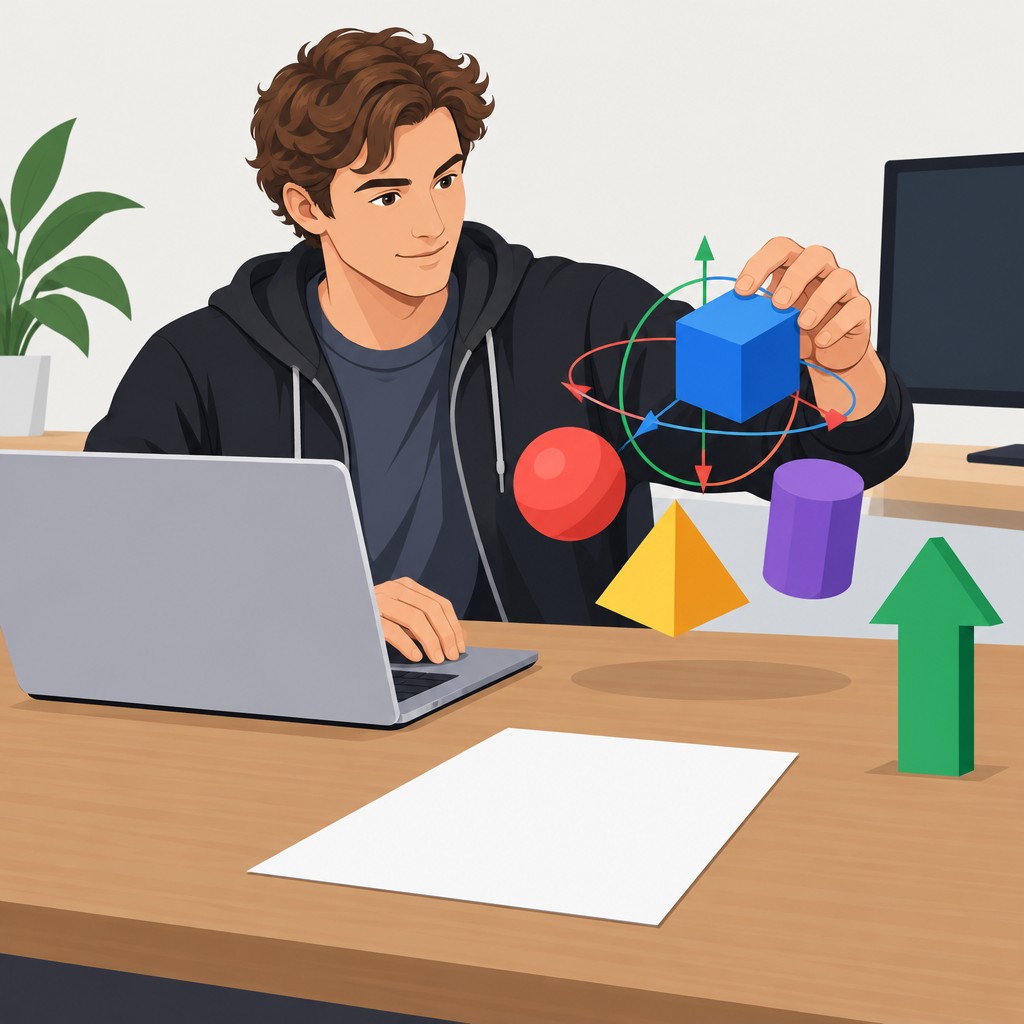
The Role of Compositing in Visual Effects
Compositing plays a critical role in visual effects.
It strengthens storytelling and improves visual coherence.
The process combines several essential components within each scene.
- Foreground Elements: These subjects occupy the front of the image.
- Background Plates: These environments surround the foreground subjects.
- Visual Effects Layers: These layers add digital elements, including smoke, fire, and explosions.
- Color Correction Layers: These adjustments maintain consistency across the scene.
Balancing these elements helps artists create believable environments.
Compositors match lighting and shadows to preserve realism.
They also select elements that support the narrative and emotional impact.
Compositing Software Options
Artists can choose from diverse compositing software options.
Each tool offers strengths that support different workflow requirements.
Understanding these features helps artists optimize their production process.
- Adobe After Effects: This software supports motion graphics and simple compositing tasks.
- Nuke: This robust node-based system supports high-end VFX work.
- Fusion: Integrated with DaVinci Resolve, it excels at 3D compositing.
- Blender: This open-source tool combines VFX and 3D modeling capabilities.
- HitFilm: This software combines compositing with video editing for indie filmmakers.
Therefore, artists should choose tools that align with their project requirements.
The right software can support efficient workflows and stronger results.
Artists can improve their process by learning each tool’s unique features.
Compositing Techniques for Visual Effects
Compositing requires multiple techniques to achieve specific artistic goals.
Each method addresses different integration and visual design requirements.
Artists should select techniques according to the needs of each shot.
- Green Screen Compositing: Chroma keying replaces green backgrounds with other visuals.
- Layer-Based Compositing: Artists stack layers to build complex scenes with precise control.
- 3D Compositing: Artists integrate 3D assets into 2D footage to create depth.
- Motion Tracking: Artists follow movement within shots to integrate effects accurately.
Consequently, artists must understand when each technique produces the best outcome.
Regular practice strengthens control over these compositing methods.
This knowledge improves the overall quality of VFX work.
Efficient Compositing Workflows
Artists can streamline compositing workflows through practice and deliberate planning.
Several practical habits support faster and more organized production.
These habits also help artists manage complex projects more effectively.
- Maintain Organization: Naming layers and arranging workspaces simplifies project navigation.
- Use Shortcuts: Learning software shortcuts speeds up repetitive tasks.
- Regularly Back Up Projects: Frequent version saves protect progress during work sessions.
- Study Reference Material: Films and gameplay demonstrate how professionals create seamless composites.
- Experiment with Color Grading: Color adjustments can strengthen mood and atmosphere.
Additionally, artists should practice different techniques to strengthen their skills.
Online communities and forums provide valuable learning resources.
Participating in these platforms encourages feedback from fellow artists.
Feedback and Growth in Compositing
Feedback plays a vital role in a VFX artist’s development.
Constructive criticism helps artists identify strengths and weaknesses.
Engaging with peers introduces fresh perspectives on creative work.
Artists can share projects through social media platforms or local groups.
They should accept criticism gracefully and consider each suggestion carefully.
Applying useful feedback can improve future projects.
Constructive collaboration supports continued growth as a VFX artist.
Compositing Skills for VFX Development
Compositing represents a crucial skill for VFX artists.
Transform Your Career Today
Unlock a personalized career strategy that drives real results. Get tailored advice and a roadmap designed just for you.
Start NowMastering this technique strengthens storytelling and supports realistic environments.
Software knowledge and compositing methods help artists create captivating visuals.
Continuous practice and openness to feedback support professional development.
Artists can combine creativity and technical skills to pursue VFX opportunities.
Learn More: Salary Expectations for Multimedia Artists and Animators
Collaboration and communication shape successful VFX careers.
The industry depends on teamwork to turn creative visions into finished work.
Every artist contributes to a shared result.
Teamwork in Project-Based VFX Environments
VFX projects often require diverse skill sets.
Effective collaboration keeps each project element aligned in style and execution.
Consequently, artists must understand and respect every team member’s role.
- Diverse Perspectives: Teamwork combines viewpoints and encourages innovative solutions to complex design problems.
- Shared Workload: Collaboration distributes tasks, reduces stress, and supports more polished results.
- Increased Efficiency: Clear communication reduces repetition and helps teams complete tasks faster.
- Quality Assurance: Team feedback helps artists identify errors before final submission.
- Networking Opportunities: Team projects build relationships that can support future collaborations and career growth.
Communication Across VFX Production Teams
VFX artists regularly communicate with directors, producers, and other artists.
Clear dialogue creates a shared understanding of project goals and expectations.
Moreover, active communication helps artists respond effectively to changing requirements.
- Clarity of Vision: Artists should explain their ideas clearly so colleagues can understand the intended concept.
- Active Listening: Careful listening helps artists understand feedback and avoid miscommunication.
- Feedback Mechanisms: Open feedback encourages improvement and helps artists refine their work.
- Regular Updates: Progress updates keep team members aligned and reduce misunderstandings.
- Utilizing Technology: Project management and real-time collaboration tools support efficient information sharing.
Networking Strategies for VFX Artists
Networking supports career growth by connecting VFX artists with other professionals.
These relationships can create opportunities for collaboration and professional development.
Therefore, artists should build genuine connections instead of seeking only immediate benefits.
- Attend Industry Events: Conferences and festivals help artists connect with professionals and industry leaders.
- Join Online Communities: Social media and forums provide spaces for VFX discussions and professional connections.
- Participate in Workshops: Workshops encourage collaboration and help artists develop supportive peer networks.
- Portfolio Reviews: Professional feedback can strengthen relationships and guide career development.
- Follow Up: A timely message keeps conversations active and demonstrates professionalism.
Sustaining Collaborative Growth in VFX
Collaboration and communication can significantly strengthen a VFX artist’s career.
Artists can improve their prospects by supporting teamwork, clear dialogue, and strategic networking.
As the industry evolves, effective cooperation will remain an important professional advantage.
Artists should continue improving their communication and collaboration practices.
These efforts can create new opportunities for creativity, teamwork, and career growth.
Problem-Solving Strategies in VFX
VFX artists frequently encounter complex challenges that require critical thinking and practical solutions.
Artists must analyze problems carefully before developing innovative responses.
For example, integrating three-dimensional elements into live-action footage creates unique technical demands.
The lighting, shadows, and textures must match the original footage convincingly.
Effective problem-solving begins with accurately identifying the central issue.
Afterward, artists brainstorm potential solutions and test their effectiveness.
They then evaluate feedback and results before refining their approach.
This process strengthens adaptability throughout production.
VFX artists commonly address several recurring problems.
- Color matching ensures consistency between computer-generated elements and live footage.
- Rendering errors require troubleshooting when results differ from expectations.
- Asset integration combines elements from different software applications seamlessly.
- Technical limitations require solutions for hardware that cannot support smooth playback.
- Client feedback requires artists to adapt designs after requested changes.
Each challenge gives artists an opportunity to strengthen their problem-solving abilities.
When rendering errors occur, artists can begin by checking the log files.
They can also review render settings and assess scene complexity.
Some errors require artists to simplify scenes or optimize assets.
Time Management for VFX Artists
Time management remains essential because VFX projects often involve demanding deadlines.
Artists may manage several projects and sequences at the same time.
Therefore, they must prioritize tasks effectively to maintain quality.
Successful time management depends on several practical strategies.
- Artists create task hierarchies by separating urgent work from important work.
- They set milestones that divide large projects into manageable goals.
- Personal deadlines provide additional time before official project deadlines arrive.
- Project management tools such as Trello or Asana help organize responsibilities.
- Focused time blocks reduce interruptions during demanding tasks.
Breaking a film project into smaller tasks helps artists maintain focus.
Transform Your Career Today
Unlock a personalized career strategy that drives real results. Get tailored advice and a roadmap designed just for you.
Start NowThis approach reduces feelings of being overwhelmed during production.
It also prevents rushed work from affecting the final quality.
The Pomodoro technique offers another method for managing demanding workloads.
It divides work into twenty-five-minute intervals followed by short breaks.
As a result, the method can improve focus and reduce burnout.
Common Challenges in VFX Production
Case studies of common challenges can reveal practical approaches to VFX problem-solving.
One frequent issue involves combining computer-generated imagery with changing camera movements.
A digital creature interacting with real actors must remain believable throughout the scene.
Shifting backgrounds can affect the appearance of shadows and lighting.
Artists often use motion tracking technology to address these challenges.
This technology supports accurate placement of digital creatures within live footage.
Matching camera angles and movements helps create a seamless blend.
This process combines technical tools with artistic judgment.
Realistic explosions create another demanding challenge for VFX artists.
Artists must simulate physics accurately while matching the film’s visual style.
They experiment with different particle systems and rendering techniques.
Each technique requires careful comparison between quality and production time.
Some approaches produce impressive results but consume excessive time.
By evaluating goals and constraints, artists can make informed decisions.
They can then deliver compelling visuals without sacrificing necessary quality.
Adaptability and Quality in VFX Work
Late client requests can create significant pressure during high-stakes filmmaking.
Artists must think quickly while understanding which changes deserve priority.
They also need to communicate clearly about what the timeline allows.
A proactive workflow can reduce the impact of last-minute changes.
Artists can establish milestones and review project progress at each stage.
Regular check-ins keep clients and artists aligned throughout production.
This structure allows clients to adjust expectations before late changes become necessary.
Problem-solving and time management help VFX artists navigate complex production demands.
Critical thinking helps them address technical and creative issues effectively.
Strong planning supports deadlines while protecting the quality of visual effects.
With practice and experience, artists become more efficient at overcoming obstacles.
Adaptability remains essential as visual effects workflows continue to evolve.
Developing a Consistent VFX Practice
Regular practice helps aspiring VFX artists build confidence and strengthen their abilities.
Personal projects allow artists to explore styles while demonstrating their developing capabilities.
Furthermore, completed projects can form a portfolio that reflects an artist’s unique approach.
Online tutorials and courses provide additional opportunities for focused learning.
Staying Current in a Changing VFX Field
The VFX landscape changes rapidly as technological advancements introduce new possibilities.
Therefore, artists should explore emerging software and techniques to keep their skills relevant.
Continuous learning helps artists remain competitive while expanding their creative options.
Meanwhile, experimenting with different approaches can broaden an artist’s overall skill set.
Transform Your Career Today
Unlock a personalized career strategy that drives real results. Get tailored advice and a roadmap designed just for you.
Start NowExpanding Opportunities Through Industry Engagement
Networking can support career advancement by connecting artists with potential opportunities.
Engaging with fellow artists, attending events, and joining online communities encourages professional growth.
These interactions may lead to collaborations, useful insights, and job leads.
Additionally, websites, forums, and social media groups can provide industry news and mentorship opportunities.
Artists should embrace challenges because each project can strengthen resilience and confidence.
Additional Resources
Google search results for Essential Skills for a Successful VFX Artist Media and Communication
Bing search results for Essential Skills for a Successful VFX Artist Media and Communication


