




The Press Secretary’s Role in Media Interviews
A press secretary connects an organization with journalists and helps shape public perception.
Media interviews give press secretaries opportunities to explain positions and address public concerns.
These conversations also help organizations communicate important messages clearly.
However, fast-paced interviews can create misunderstandings and pressure.
Interviewers may ask loaded questions that demand quick, thoughtful responses.
A press secretary must remain composed when facing aggressive questioning.
Misrepresentation can also damage an organization’s reputation.
Therefore, strategic communication skills support effective media performance.
Preparation Builds Interview Confidence
Research the interviewer and media outlet before each conversation.
That knowledge reveals the interviewer’s style and helps shape suitable responses.
Next, develop a clear message that supports the organization’s goals.
Anticipate likely questions and prepare concise answers before the interview.
Mock interviews can strengthen confidence and improve delivery.
Managing Difficult Interview Questions
Expect challenging inquiries during every media interview.
Listen carefully before responding to every question.
First, acknowledge the concern without accepting an inaccurate premise.
Then, bridge the discussion toward your key messages.
Practicing these techniques helps press secretaries maintain control under pressure.
Follow-Up Supports Accurate Media Communication
After the interview, send a timely thank-you message.
Offer additional information when the interviewer needs clarification.
This gesture reinforces a professional relationship with the media.
Also, clarify statements that the interview may have misinterpreted.
Such follow-up demonstrates commitment to accuracy and responsible communication.
Preparation, adaptability, and follow-up strengthen media interview performance.
Together, these practices help press secretaries communicate clearly and build positive media relations.
Preparing for a Media Interview
Media interviews require careful preparation and focused communication.
Effective planning can strongly influence how audiences receive your messages.
Use the following practices to prepare for each media encounter.
Researching the Media Outlet and Journalist
Begin by researching the media outlet and the journalist.
Understanding their style and audience helps you shape a relevant approach.
This preparation also helps you anticipate the interview’s direction.
- Identify the outlet’s target audience to guide your message presentation.
- Review the journalist’s past articles to understand interviewing styles and interests.
- Analyze the outlet’s editorial slant before delivering your key points.
- Study recent interviews to anticipate questions and discussion topics.
Anticipating Questions and Preparing Key Messages
Next, anticipate questions that may arise during the interview.
Outlining possible questions helps you prepare focused and direct responses.
Prepare messages that support your organization’s objectives.
- Consider controversial topics and plan clear, confident responses.
- Identify primary messages that align with your organization’s objectives.
- Practice bridging techniques to connect difficult questions with key messages.
- Draft credible facts and statistics that reinforce your main points.
Practicing Concise and Confident Responses
Practice your responses to communicate clearly and effectively.
Keep each answer concise while maintaining a confident delivery.
Repeated practice can strengthen your readiness for challenging exchanges.
- Rehearse with a colleague or friend to simulate the interview environment.
- Record your answers to evaluate tone and body language.
- Focus on clarity and brevity instead of rambling.
- Prepare strategies for answering detailed follow-up questions.
Listening to your practice recordings can reveal useful delivery insights.
Multiple practice sessions can also build confidence.
Preparation helps you handle interviews with greater effectiveness.
Transform Your Career Today
Unlock a personalized career strategy that drives real results. Get tailored advice and a roadmap designed just for you.
Start NowUsing Effective Delivery Techniques
Strong content matters, but delivery also shapes how audiences receive information.
Your presentation style can strengthen or weaken an important message.
Use deliberate techniques to remain engaging and composed.
- Maintain eye contact to build trust and audience connection.
- Use appropriate body language to emphasize important points.
- Vary your pitch and tone to maintain audience engagement.
- Stay calm and composed during high-pressure situations.
Understanding the Audience
Audience knowledge helps you tailor messages and improve engagement.
Knowing your listeners supports more relevant and accessible conversations.
Therefore, consider their interests before choosing your language and examples.
- Identify audience demographics, including age, interests, and profession.
- Match your vocabulary and tone to improve relatability and comprehension.
- Address audience concerns directly to build rapport.
- Consider current events that matter to your audience.
Following Up After the Interview
After the interview, continue engaging with the journalist.
Thoughtful follow-up can support a productive professional relationship.
It can also clarify information and support future interactions.
- Send a thank-you email that expresses gratitude for the opportunity.
- Offer additional information that supports your statements.
- Request feedback to improve future interactions.
- Monitor coverage to see how journalists represent your messages.
Strengthening Media Interview Readiness
Successful media interviews require preparation, adaptability, and disciplined execution.
Research, question planning, and delivery practice help you communicate with clarity.
Consistent follow-up can maintain journalist relationships and support future opportunities.
Prepare carefully, communicate clearly, and engage meaningfully during every interview.
Handling Difficult Questions
Press secretaries often face challenging questions from journalists.
Media interviews can become unpredictable during contentious times.
Skillful preparation helps you respond with professionalism and clarity.
Staying Calm and Composed
Your demeanor influences how journalists and audiences receive your answers.
Remaining calm gives you time to think clearly and respond effectively.
Several simple techniques can help you maintain composure during difficult exchanges.
- Take a Deep Breath: Inhale deeply before answering to center your thoughts.
- Pause Before Responding: Use a brief silence to gather your thoughts and plan a clear response.
- Keep Your Voice Steady: Speak in a calm, measured tone to convey confidence.
- Maintain Eye Contact: Look at the journalist to create connection and demonstrate confidence.
- Practice Active Listening: Hear the complete question before forming an appropriate answer.
Redirecting the Conversation
Tough questions can sidetrack an interview and weaken your central message.
Advance preparation allows you to guide the discussion toward important points.
Clear transitions can redirect attention without ignoring the journalist’s concern.
- Reiterate Key Messages: Acknowledge the question, then return to your central points.
- Use Bridge Statements: Say, “What’s important is…” before presenting a key message.
- Share Relevant Data or Examples: Use available statistics or anecdotes to support a constructive discussion.
- Highlight Accomplishments: Mention recent successes that relate directly to your organization’s goals.
- Stay On Message: Repeat overarching themes so audiences remember your main points.
Practicing Honesty and Transparency
Honesty strengthens trust during media interactions.
Delicate subjects require transparency, discretion, and careful wording.
A candid approach helps you address difficult questions without becoming defensive.
- Acknowledge Uncertainty: Admit when you lack an answer and offer to follow up later.
- Provide Context: Frame sensitive answers within their broader context.
- Be Candid, Not Defensive: Address difficult questions openly to establish trust.
- Know When to Decline: Say, “That’s not something I can discuss,” when confidentiality applies.
- Communicate Consequences: Explain relevant implications without becoming lost in unnecessary details.
Preparing for Challenging Questions
Thorough preparation strengthens confidence during difficult interviews.
It also gives you reliable information for clear and focused responses.
Practice helps you anticipate concerns and communicate your messages more effectively.
- Understand Current Issues: Follow news and trends related to your organization.
- Conduct Mock Interviews: Practice answering likely difficult questions to build confidence.
- Prepare Key Messages: Develop concise points that maintain focus during interviews.
- Gather Supportive Materials: Keep data, reports, and previous statements available.
- Review Previous Interviews: Study earlier questions and responses to identify useful lessons.
Following Up After Interviews
Effective follow-up can reinforce credibility after a challenging interview.
Prompt communication also helps preserve productive relationships with journalists.
Reviewing coverage can reveal ways to improve future responses.
- Send Thank You Emails: Thank journalists for their time and reinforce a positive relationship.
- Clarify Any Misunderstandings: Address communication problems promptly through a clear follow-up.
- Provide Additional Information: Deliver promised insights to demonstrate reliability.
- Solicit Feedback: Ask for input about the interview and your responses.
- Monitor Media Coverage: Review reporting to refine strategies for future interviews.
Handling difficult questions remains an essential press secretary skill.
Calm responses, thoughtful redirection, and honest communication support effective media interviews.
Preparation and composure help you navigate demanding inquiries with confidence.
Learn More: How to Edit Music Videos: Tips and Techniques
Building Relationships with Journalists
As a press secretary, you navigate complex media interviews and maintain important journalist relationships.
Strong relationships can support your organization’s public image and improve communication during interviews.
Trust also helps journalists rely on you for accurate and timely information.
Maintaining Open and Transparent Communication
Open communication creates the foundation for productive relationships with journalists.
Journalists value clarity, honesty, and reliable access to information.
Transform Your Career Today
Unlock a personalized career strategy that drives real results. Get tailored advice and a roadmap designed just for you.
Start NowThese practices can help you maintain clear communication.
- Be Responsive: Reply promptly to journalist inquiries.
- Share Updates: Keep journalists informed about relevant news.
- Provide Clear Information: Make every message easy to understand.
- Set Expectations: Explain what journalists can expect from you.
- Be Accessible: Provide reliable ways to reach you.
These actions demonstrate your commitment to transparency.
Consequently, journalists may trust you as a dependable source of information.
Offering Additional Information and Interviews
Additional information can strengthen your relationship with journalists.
When you support their work, journalists may value your organization as a useful resource.
You can provide support through several practical actions.
- Offer Expert Opinions: Connect journalists with subject matter experts.
- Facilitate Interviews: Arrange discussions with important organizational figures.
- Provide Exclusive Content: Share unique insights or data before public release.
- Send Follow-Up Information: Provide details journalists still need after interviews.
- Answer Clarifications: Address questions that arise after an interview.
These resources add value to a journalist’s work.
Over time, thoughtful support can turn a single interaction into an ongoing professional relationship.
Staying Professional and Respectful
Professional conduct supports goodwill during every interaction with journalists.
Difficult topics can create tense conversations, but respectful communication keeps discussions productive.
Use these practices to remain professional under pressure.
- Listen Actively: Show that you value the journalist’s perspective.
- Stay Calm: Maintain composure during sharp exchanges.
- Use Positive Language: Frame responses in a constructive way.
- Address Challenging Questions: Respond without dismissing the journalist’s concerns.
- Express Gratitude: Thank journalists for their time and questions.
These behaviors create a more productive environment for collaboration.
Furthermore, journalists may remember your professionalism during tense moments.
Understanding the Journalist’s Perspective
Understanding a journalist’s role can improve the quality of your interactions.
Journalists often work under tight deadlines while seeking accurate information quickly.
Recognizing these demands can help you respond more effectively.
- Respect Deadlines: Ask about the journalist’s timeline before sending information.
- Clarify Misunderstandings: Address story concerns promptly.
- Provide Context: Explain complex issues clearly.
- Highlight Key Messages: Identify the most important takeaways.
- Show Appreciation: Recognize the demands of journalistic work.
This perspective encourages mutual respect during media interactions.
As a result, journalists can better understand your organization’s messages.
Creating Networking Opportunities
Networking can strengthen relationships with journalists beyond traditional interviews.
Personal connections can create opportunities for future communication and collaboration.
Regular engagement helps you remain connected with the journalistic community.
- Attend Events: Participate in industry conferences and media events.
- Host Press Briefings: Connect journalists with your organization.
- Engage on Social Media: Share and comment on their articles.
- Explore Collaboration: Look for opportunities to work together.
- Follow Up: Continue communication after networking events.
These activities help journalists recognize your organization outside interview settings.
Meanwhile, continued engagement can support future professional cooperation.
Nurturing Long-Term Journalist Relationships
Long-term relationships require consistent effort, reliability, and thoughtful communication.
Regular contact can strengthen rapport and reinforce professional trust.
These strategies can help you maintain lasting connections.
- Schedule Check-Ins: Maintain contact through periodic updates.
- Share Success Stories: Highlight positive organizational achievements.
- Acknowledge Their Work: Recognize journalists’ contributions publicly.
- Stay Informed: Follow their coverage and professional interests.
- Provide Exclusive Access: Offer early access to relevant stories.
Consistent relationship-building can create a dependable network of journalists.
Ultimately, journalists may view you as a reliable source of information and support.
These relationships can strengthen both your reputation and your organization’s reputation.
Strong journalist relationships support effective communication between your organization and the media.
Open communication, useful resources, and professional conduct can benefit everyone involved.
Understanding journalists’ needs and maintaining regular contact can support successful future interactions.
Uncover the Details: Sound Design for Live Events: Key Strategies
Body Language and Tone in Media Interviews
Body language and tone strongly influence how audiences receive messages during media interviews.
Press secretaries can communicate confidence, openness, and professionalism through deliberate nonverbal choices.
These skills also support clearer communication and more positive relationships with journalists.
Effective Body Language Techniques
Body language communicates important impressions before spoken responses fully develop.
Therefore, press secretaries should monitor their physical signals throughout every interview.
Consistent, professional movements can reinforce the message and support audience trust.
- Eye Contact: Maintain consistent eye contact with the interviewer to demonstrate confidence and engagement.
- Posture: Sit or stand upright to project authority, and lean slightly forward to show interest.
- Facial Expressions: Match facial expressions with verbal messages to maintain credibility and professionalism.
- Gestures: Use natural hand movements to emphasize points without distracting from the message.
- Space Management: Respect personal space because excessive closeness can create discomfort.
Managing Vocal Tone During Interviews
The voice significantly affects how listeners interpret an interview response.
Transform Your Career Today
Unlock a personalized career strategy that drives real results. Get tailored advice and a roadmap designed just for you.
Start NowA calm and respectful tone promotes understanding and demonstrates professionalism.
Meanwhile, controlled volume and varied pitch can keep audiences engaged.
- Stay Calm: Maintain a composed tone, and take a deep breath before responding when necessary.
- Be Respectful: Address the interviewer courteously, even when discussing challenging topics.
- Avoid Confrontation: Respond non-defensively to combative questions without escalating tensions.
- Adjust Volume: Use moderate volume to ensure clarity without appearing uncertain or aggressive.
- Vary Your Pitch: Change your pitch naturally to avoid monotony and maintain listener attention.
Reading the Interviewer’s Nonverbal Cues
Interviewers also communicate through movements, expressions, eye contact, and breathing patterns.
These signals can provide useful feedback while the conversation continues.
However, press secretaries should interpret individual cues carefully rather than relying on one signal alone.
- Body Movements: Notice whether the interviewer leans forward or crosses their arms during responses.
- Facial Expressions: Watch for confusion, agreement, or other changes in the interviewer’s expression.
- Eye Contact: Observe whether the interviewer maintains attention or frequently looks away.
- Breath Patterns: Notice changes in breathing that may indicate stress or feeling overwhelmed.
Active Listening for Clearer Responses
Active listening strengthens both verbal responses and nonverbal communication.
By focusing fully, press secretaries can answer questions more accurately and appropriately.
Additionally, attentive listening shows respect and keeps the interview focused.
- Give Full Attention: Remove distractions and focus solely on the interviewer while they speak.
- Paraphrase Questions: Restate questions to demonstrate understanding and confirm clarity.
- Ask Clarifying Questions: Request clarification whenever a question seems unclear.
- Summarize Key Points: Reinforce important messages at the end of responses.
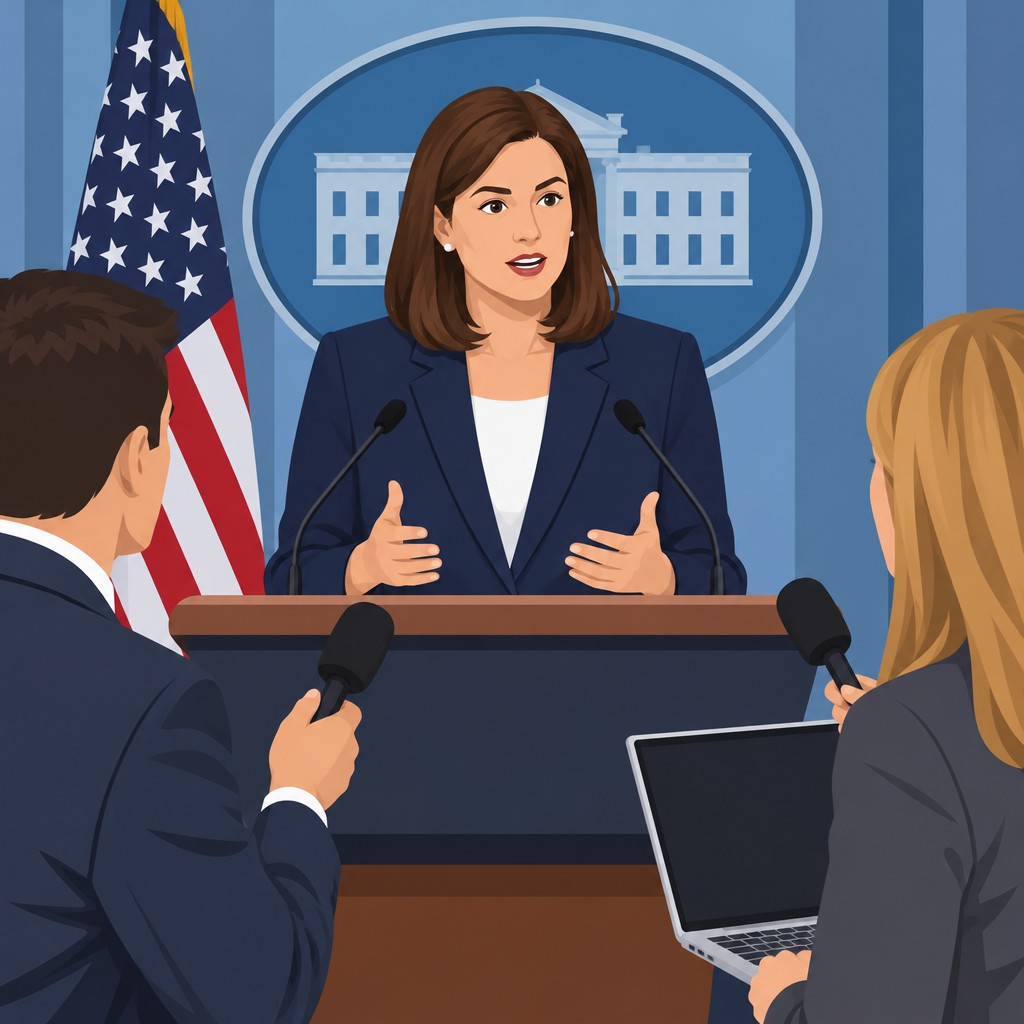
Practice for Different Interview Scenarios
Preparation helps press secretaries manage body language and tone under pressure.
Practice also makes responses feel more controlled during demanding conversations.
After each interview, feedback can reveal opportunities for continued improvement.
- Mock Interviews: Conduct practice interviews and use recordings to evaluate body language and tone.
- Research Topics: Study discussion topics to reduce anxiety and support a calm demeanor.
- Plan for Difficult Questions: Develop thoughtful responses for sensitive issues before interviews begin.
- Review Feedback: Seek comments about body language and tone after interviews.
Authenticity in Media Communication
Authenticity matters because viewers can often sense when communication lacks sincerity.
Press secretaries can remain genuine while presenting themselves professionally.
When words, body language, and tone align, the message becomes more credible.
- Be Yourself: Let your personality appear while maintaining professionalism.
- Own Your Message: Speak confidently about your organization’s message and communicate genuine belief.
- Build Credibility: Align words, body language, and tone to create coherent communication.
Stronger Media Interactions Through Consistent Communication
Effective body language and tone help press secretaries navigate challenging media interviews with poise.
Active listening and thorough practice further support clear, professional responses.
Ultimately, authentic communication can strengthen representation and media relationships.
Delve into the Subject: Strategies for Repositioning an Established Brand
Following Up After a Media Interview
Following up after an interview helps maintain journalist relationships.
This process also supports accurate coverage and strengthens your communication efforts.
A thoughtful follow-up can enhance your reputation and reinforce your message.
Expressing Appreciation to Journalists
Begin by thanking the journalist promptly after the interview.
A personalized message shows respect for the opportunity to share information.
Specific appreciation can strengthen goodwill and encourage future communication.
- Send a personalized email soon after the interview.
- Thank the journalist for sharing the interview opportunity.
- Mention specific parts of the discussion that interested you.
- Acknowledge the journalist’s professionalism and expertise.
- Consider a brief phone call when the relationship supports it.
Providing Useful Additional Information
Journalists sometimes need further details after an interview.
Offering relevant material helps them present your message accurately.
Responsive support positions you as a dependable media resource.
- Review the discussion and identify topics needing clarification.
- Prepare factsheets, reports, or data supporting your points.
- Share relevant quotes, anecdotes, or case studies.
- Offer connections with experts when deeper insight helps.
- Invite follow-up questions from the journalist.
Monitoring Resulting Media Coverage
Monitor coverage after the interview to evaluate how effectively audiences received your message.
Careful review reveals the tone and context surrounding your statements.
This vigilance helps you identify inaccuracies before they spread further.
- Set up Google Alerts or use media monitoring tools.
- Read articles and listen to broadcasts about the interview.
- Assess how journalists present your quotes and messages.
- Identify inaccuracies or misleading representations of your statements.
- Observe how coverage influences public discussion of the issue.
Correcting Inaccurate Coverage
Respond promptly when coverage contains inaccurate information.
A calm response demonstrates professionalism and protects your organization’s credibility.
Clear facts can correct misunderstandings without escalating the exchange.
- Identify the exact statements containing inaccuracies.
- Prepare a factual and respectful response.
- Contact the journalist by email or phone.
- Request a correction when errors affect the narrative.
- Follow up to confirm corrections or acknowledgments.
Maintaining Professional Media Relationships
Ongoing communication with journalists supports long-term media work.
Consistent engagement can make future interviews more productive.
Professional relationships also encourage trust during later interactions.
- Engage appropriately with journalists on social media.
- Share their articles while providing proper credit.
- Invite them to future events or briefings.
- Provide updates about newsworthy organizational developments.
- Remain responsive and available for future questions.
Using Feedback to Improve Media Performance
Review the interview and follow-up process after assessing the coverage.
This reflection reveals effective choices and opportunities for improvement.
Applying those lessons can strengthen future media interactions.
- Reflect on the interview experience and identify improvements.
- Seek feedback from colleagues or mentors.
- Evaluate your messaging and presentation style.
- Develop a training plan when additional support helps.
- Apply new lessons during future media interactions.
Strengthening Communication Through Follow-Up
Effective follow-up strengthens your performance as a press secretary.
Transform Your Career Today
Unlock a personalized career strategy that drives real results. Get tailored advice and a roadmap designed just for you.
Start NowGratitude, accurate information, and careful monitoring support credible communication.
Continued learning helps you communicate organizational messages with greater clarity.
Learn More: Creating a Unified Voice Across All Internal Channels
Sustaining Confidence in Media Interviews
Effective preparation and clear communication help press secretaries perform successfully during media interviews.
Because journalists and audiences hold diverse perspectives, press secretaries must present messages confidently and clearly.
Each interview creates an opportunity to influence public perception and communicate essential points.
Audience awareness helps press secretaries adjust their communication style.
Meanwhile, understanding journalistic interests helps them shape relevant responses.
Research provides facts and insights that strengthen their statements.
Anticipating difficult questions also supports concise, informative answers.
Regular practice improves delivery and builds confidence before interviews.
Role-playing with colleagues can simulate realistic interview situations.
Furthermore, practicing under pressure helps speakers respond calmly and effectively.
Preparation matters, yet adaptability helps press secretaries manage unexpected questions.
During difficult moments, they can remain composed and keep their messages focused.
Bridging techniques can redirect conversations toward important points.
Afterward, reviewing the interview reveals strengths and areas requiring improvement.
Peer feedback can also sharpen skills for future media engagements.
By applying these practices, press secretaries can communicate with greater confidence and clarity.
Authentic engagement can strengthen audience connections and create lasting impressions.
Media challenges can therefore become opportunities for professional growth and greater influence.
Additional Resources
Google search results for Navigating Media Interviews as a Press Secretary Media and Communication
Bing search results for Navigating Media Interviews as a Press Secretary Media and Communication


