




Introduction
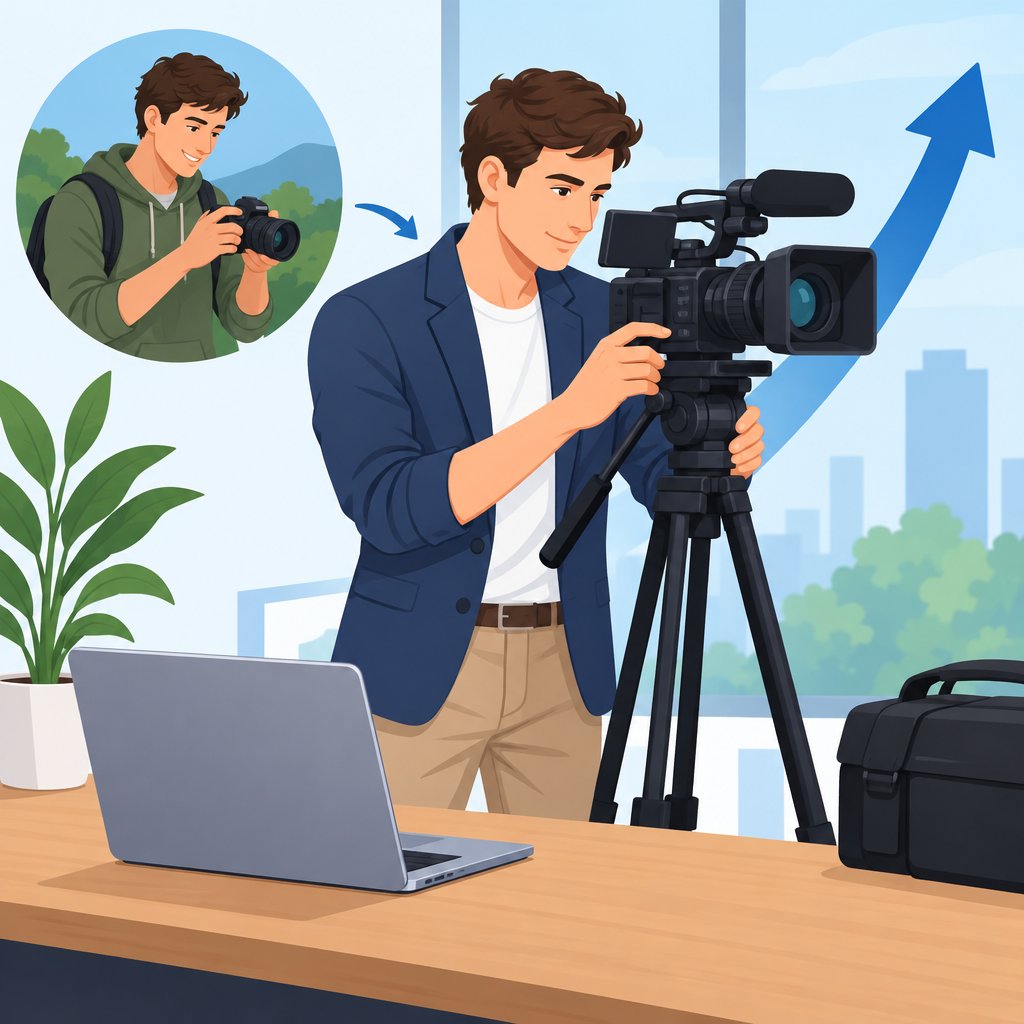
Many passionate hobbyists dream of becoming professional camera operators.
This ambition often grows from a deep love of visual storytelling.
Meanwhile, advancing technology continues to reshape the videography field.
Businesses, creatives, and social media influencers increasingly need captivating videos.
Consequently, videography and cinematography offer viable career options.
More individuals now move from hobbies into paid positions.
This shift reflects growing demand for high-quality video content across various platforms.
However, successful transitions require more than enthusiasm and talent.
Proper guidance helps aspiring professionals navigate this competitive landscape.
Understanding the necessary steps can significantly improve your chances of success.
Therefore, aspiring camera operators should deliberately build their skills and networks.
Early Steps Toward Professional Videography
First, hone your craft through online courses or workshops.
These learning opportunities can develop essential technical skills.
Additionally, practice using camera equipment, lighting techniques, and editing software.
Regular practice will strengthen your abilities and creative confidence.
Next, create a diverse portfolio that showcases your creativity and range.
Networking also plays a vital role in the videography industry.
Attend film festivals, workshops, and local meetups to connect with industry professionals.
These relationships may provide mentorship and job opportunities.
As a result, consistent networking can strengthen your career prospects.
Finding Videography Opportunities
Seek internships or entry-level positions that match your interests.
Many production companies value fresh talent that shows willingness to learn.
Meanwhile, follow social media channels and job boards focused on videography.
Actively applying for gigs can introduce you to varied projects.
Continue refining your style and technique throughout your career.
Furthermore, seek constructive criticism from peers and mentors.
Use that feedback to improve your creative and technical work.
Finally, monitor industry trends so your videos remain relevant and engaging.
With sustained effort and dedication, your journey can become rewarding.
Assess Your Skills and Passion
Transitioning from hobbyist work to professional camera operation requires careful self-assessment.
You need creativity, technical knowledge, dedication, and attention to detail.
This assessment can clarify your interests, strengths, and opportunities for growth.
Evaluate Your Interest and Videography Skills
Begin by examining your interest in videography and cinematography.
Consider how consistently you create videos and seek ways to improve.
Also, reflect on how visual storytelling influences your creative decisions.
- Have you enjoyed shooting videos for personal projects?
- Do you frequently seek tutorials or resources that improve your skills?
- Do you enjoy composing shots and planning scenes?
- Are you passionate about storytelling through visual mediums?
- Have you explored genres such as documentaries or narrative films?
Next, review your current technical and artistic abilities.
Identify the equipment, camera principles, lighting methods, and sound techniques you understand.
Then, evaluate your editing abilities and your approach to framing and composition.
- What types of equipment have you used?
- Do you understand essential camera operation principles?
- Are you familiar with lighting and sound techniques?
- Can you edit video effectively with Adobe Premiere or Final Cut Pro?
- Can you frame and compose shots for maximum impact?
Recognize Strengths and Improvement Areas
Recognizing your strengths helps you understand where your work already performs well.
For example, you may combine creative storytelling with strong technical control.
Transform Your Career Today
Unlock a personalized career strategy that drives real results. Get tailored advice and a roadmap designed just for you.
Start NowYou may also communicate clearly and remain focused during demanding shoots.
- Creativity in visual storytelling
- Technical proficiency with camera equipment
- The ability to work under pressure during shoots
- Strong communication skills with collaborators
- Attention to detail in framing and composition
However, every developing camera operator has skills that require further attention.
You might need more practice with advanced settings, post-production, or difficult lighting conditions.
Teamwork and portfolio development may also deserve focused improvement.
- Understanding advanced camera settings and functions
- Improving post-production editing skills
- Learning to work with different lighting conditions
- Enhancing collaboration skills within a team
- Building a stronger portfolio that showcases your work
Measure Passion and Dedication
Passion and dedication support anyone who wants to become a camera operator.
The profession can involve long hours, challenging projects, and continuous learning.
Therefore, examine your motivation before committing to this career path.
- How do you feel while working on videography projects?
- Are you willing to invest time in learning new techniques?
- Do you remain motivated during difficult shoots or edits?
- Are you prepared to handle criticism and apply feedback?
- Can you pursue this career for years to come?
Answer these questions honestly rather than relying on temporary excitement.
Your responses can reveal whether videography represents a lasting interest.
If hesitation persists, consider whether another path better matches your goals.
Build a Personal Development Plan
A personal development plan can organize your transition into camera operation.
First, connect your goals with the skills you identified during assessment.
Then, choose practical activities that create regular opportunities for improvement.
- Set specific, measurable goals for improving your skills.
- Identify online resources, courses, or workshops for further learning.
- Commit to shooting a specific number of projects monthly.
- Join local filmmaking groups or online communities for networking.
- Seek feedback from experienced camera operators.
Include both short-term objectives and long-term career goals.
Short-term objectives can address immediate improvements in your daily practice.
Long-term goals can guide your broader development as a camera operator.
Gain Practical Camera Operation Experience
Practical experience strengthens both your confidence and technical judgment.
Each project can challenge your creativity while expanding your working knowledge.
Choose opportunities that let you practice consistently and review your results.
- Volunteer for local film projects or nonprofit organizations.
- Collaborate with friends or fellow filmmakers on new ideas.
- Create social media content that showcases your work.
- Attend workshops for hands-on skills and feedback.
- Build a portfolio featuring your strongest projects.
Volunteer work can introduce you to new production environments.
Collaboration can also improve your communication and adaptability.
Meanwhile, a focused portfolio can present your developing abilities to potential clients.
Continue Developing as a Camera Operator
Your transition depends on honest assessment, deliberate practice, and continued learning.
Use your strengths as a foundation while addressing weaknesses through specific goals.
With consistent effort, you can move closer to professional camera operation.
Gain Knowledge and Experience
Transitioning from a hobbyist to a professional camera operator requires significant dedication.
Gaining knowledge and experience remains essential to mastering the craft.
Here is how to get started.
Take Classes or Workshops
Classes and workshops can greatly enhance your skills.
These educational opportunities provide structured learning environments.
Consider the following options.
- Community Colleges: Many community colleges offer courses in video production and camera operation.
- Online Platforms: Websites like Coursera and MasterClass provide videos and tutorials taught by industry professionals.
- Local Workshops: Look for workshops in your area focusing on camera techniques and lighting.
- Film Schools: Attending a film school can provide an in-depth education in filmmaking and camera work.
- Industry Conferences: Participate in conferences focused on film and video to learn from experts.
Classes and workshops allow you to learn theory and application.
They help establish a solid foundation for your skills.
Aim to enroll in different classes covering various aspects of camera operation.
Practice Filming and Editing Videos
Hands-on practice remains vital for mastering camera operation.
Filming and editing your own videos will solidify your understanding.
Here are several effective ways to practice.
- Start with Short Films: Create short films to experiment with different camera angles and techniques.
- Shooting B-Roll: Practice capturing B-roll footage to understand shot composition.
- Daily Challenges: Set daily challenges and film scenes based on specific criteria.
- Edit Your Own Work: Edit your footage using software like Adobe Premiere or Final Cut Pro.
- Join Filmmaking Groups: Collaborate with local filmmaking groups to work on projects together.
Regularly engaging in filming and editing will build your confidence.
Each project gives you an opportunity to improve your storytelling skills.
Celebrate small achievements to keep your motivation high.
Transform Your Career Today
Unlock a personalized career strategy that drives real results. Get tailored advice and a roadmap designed just for you.
Start NowConsider Internships or Assisting Professional Camera Operators
Gaining real-world experience remains crucial in this industry.
Internships and professional assistance can provide invaluable insights.
Here is how to find opportunities.
- Leverage Networking: Use LinkedIn and other platforms to connect with industry professionals.
- Offer Your Services: Volunteer to assist on projects, even when they initially remain unpaid.
- Check Job Listings: Search sites like Indeed or Glassdoor for internships and junior camera positions.
- Attend Industry Events: Visit film festivals or workshops to meet professionals seeking assistance.
- Follow Production Companies: Monitor local production companies for internship announcements.
Assisting professional camera operators provides firsthand knowledge of the job.
You will witness how they handle equipment and overcome challenges.
Ask questions and seek feedback during your assisting experience.
Build a Strong Portfolio
As you learn and gain experience, begin compiling a strong portfolio.
A professional portfolio showcases your work effectively.
Follow these tips to assemble one.
- Select Diverse Projects: Include varied styles and topics to demonstrate versatility.
- Highlight Your Best Work: Include only your strongest pieces reflecting your skills and creativity.
- Utilize Various Formats: Include short films, music videos, corporate videos, and documentaries.
- Keep It Updated: Regularly update your portfolio as you complete projects and gain experience.
- Show Behind-the-Scenes: Add behind-the-scenes footage to show your workflow.
A well-curated portfolio draws attention from potential employers.
Make sure it remains easy to access online and visually appealing.
Use platforms like Vimeo or your own website to showcase your work creatively.
Stay Informed About Industry Trends
The film and video industry continues to evolve.
Staying informed about technology and trends keeps you relevant.
Here are several strategies.
- Subscribe to Industry Publications: Read magazines or blogs about camera technology and filmmaking trends.
- Follow Influential Figures: Follow leading cinematographers and filmmakers on social media platforms.
- Participate in Online Forums: Join discussion forums to share insights and learn from others.
- Attend Webinars: Engage in webinars and online panels about current trends and techniques.
- Watch Documentaries: Analyze documentaries to understand filming styles and storytelling techniques.
Being informed enables you to adapt to technological changes and audience preferences.
This adaptability remains critical for a successful camera operator career.
Therefore, continue learning as the industry changes.
Set Clear Goals and Milestones
Establishing clear goals will guide your career transition.
Setting milestones helps you track your progress.
Consider these suggestions.
- Short-Term Goals: Set achievable goals, such as completing a course or filming a project.
- Long-Term Goals: Define where you want to be within five years of your career.
- Regularly Reevaluate: Reassess your goals and adjust them according to your progress.
- Document Achievements: Track your achievements to identify growth areas and celebrate success.
- Join Professional Organizations: Join organizations like the American Society of Cinematographers for resources and networking.
Clear goals will keep you motivated and focused.
Each milestone builds confidence and brings you closer to your career aspirations.
Celebrate each achievement as it comes.
Transitioning from a hobbyist to a camera operator takes time and effort.
Gain knowledge through classes, practice diligently, and learn from professionals.
Embrace every opportunity for growth as you pursue your place in filmmaking.
Discover More: Media Trainer Work Environment and Job Satisfaction
Invest in Quality Equipment
Quality equipment supports stronger video production and helps you approach professional assignments with greater confidence.
Each tool influences the clarity, stability, sound, and overall character of your footage.
Therefore, thoughtful equipment choices can strengthen your storytelling while supporting different production needs.
Research High-Quality Cameras
Your camera choice should match the projects you plan to produce.
For example, interviews, events, and documentaries can require different camera features.
Research helps you compare image quality, recording options, flexibility, and practical suitability before purchasing.
- Identify your specific needs before selecting a camera for interviews, events, or documentaries.
- Consider DSLR or mirrorless cameras for strong image quality and flexible shooting options.
- Check whether the camera records in 4K as video quality expectations continue rising.
- Read reviews and watch comparisons on websites, forums, and YouTube before deciding.
Select Professional Lenses
Lenses strongly influence the appearance and emotional effect of your footage.
Different focal lengths help you frame subjects and environments in distinctive ways.
Meanwhile, combining prime and zoom lenses can provide both image quality and flexibility.
- Learn focal lengths because wide-angle lenses capture expansive scenes.
- Use telephoto lenses when you need to highlight subjects at a distance.
- Buy prime lenses for superior quality when you can control your framing.
- Choose zoom lenses when changing focal lengths quickly matters during production.
- Research compatibility before pairing lenses with your camera body.
Purchase Essential Accessories
Accessories improve stability, movement, sound, and lighting during video production.
They also help you respond effectively to changing filming conditions.
As a result, the right accessories can make your footage appear more polished and controlled.
Transform Your Career Today
Unlock a personalized career strategy that drives real results. Get tailored advice and a roadmap designed just for you.
Start Now- Use a sturdy tripod to prevent shaky footage and support timelapse recording.
- Choose a gimbal stabilizer for smooth footage during action or moving scenes.
- Use lavalier or shotgun microphones to capture clearer sound.
- Add softboxes, LED panels, or ring lights to improve scene visibility.
Choose Tools That Support Your Storytelling
Your equipment choices shape the way you communicate ideas through moving images.
Each piece contributes to the atmosphere, flexibility, and consistency of your production.
Furthermore, dependable tools can help you work confidently across different shooting environments.
- Quality equipment can increase your confidence when delivering professional work.
- Versatile tools help you adapt to different environments and shooting styles.
- Well-maintained equipment can last for years and support a wise investment.
Plan Your Equipment Budget
A clear budget can guide your purchasing decisions and prevent unnecessary spending.
Quality equipment often costs more, so careful planning remains important.
By prioritizing essential tools, you can build your kit gradually and responsibly.
- Prioritize essential equipment, beginning with a camera and a lens.
- Consider used equipment because professionals may sell gear in excellent condition.
- Reserve part of your budget for future lenses and accessories.
Join Communities for Equipment Insights
Other camera operators can offer practical perspectives about equipment selection and use.
Community discussions can also expose you to solutions you might not discover alone.
Additionally, local connections can create opportunities to learn from experienced professionals.
- Browse online forums for equipment discussions and practical advice.
- Join social media groups focused on videography tips and recommendations.
- Attend local workshops or meetups to network with experienced professionals.
Test Your Equipment Through Practice
Testing new equipment helps you understand its controls and practical limitations.
Regular practice also makes it easier to operate your gear during real assignments.
Small projects provide a useful setting for refining techniques without client pressure.
- Practice shooting different scenarios with varied settings and techniques.
- Learn how ISO, shutter speed, and aperture affect your footage.
- Create sample projects to develop your skills through practical use.
Build a Reliable Videography Foundation
Quality equipment gives you a practical foundation for developing professional camera operation skills.
Careful research, budgeting, community involvement, and regular testing can improve your equipment decisions.
With suitable cameras, lenses, and accessories, you can create stronger and more compelling visual narratives.
You Might Also Like: Importance of Diversity and Inclusion for Film Producers
Build a Strong Portfolio
Your portfolio becomes essential as you transition from hobbyist work to professional camera operation.
It showcases your skills, creativity, and visual judgment for potential clients and employers.
A carefully developed portfolio also helps you stand out within a competitive field.
Each selected project should communicate your abilities clearly and professionally.
Curated Portfolio Content
Prioritize quality over quantity when selecting work for your portfolio.
A focused collection of seven to ten strong pieces can create a lasting impression.
Choose projects that reveal your unique style, technical abilities, and creative decisions.
- Short Films: Highlight narrative projects that demonstrate your visual storytelling.
- Documentaries: Show your ability to present compelling real-life stories.
- Promotional Videos: Include projects created for businesses or brands.
- Music Videos: Feature creative visuals that support musical performances.
- Event Coverage: Display your ability to capture special occasions smoothly.
Portfolio Presentation Standards
Presentation influences how viewers experience and evaluate your portfolio.
A clean structure can make your work easier to explore and understand.
Organize related projects together so visitors can navigate your collection efficiently.
- Website: Create a dedicated website for your portfolio.
- Organization: Group similar projects together for simpler navigation.
- Video Quality: Present each video at the highest practical resolution.
- Loading Speed: Optimize pages so viewers remain engaged.
Project Context and Client Confidence
Brief descriptions can give viewers useful context about every featured project.
Explain your role, the challenges you faced, and the results you achieved.
This information reveals your problem-solving approach and creative contribution.
Testimonials from collaborators or clients can further strengthen your professional credibility.
Positive feedback gives potential clients additional confidence when considering your services.
Portfolio Updates and Social Visibility
Review your portfolio regularly as your experience and abilities develop.
Replace older examples with newer work that represents your current standard.
A quarterly review can help you maintain a relevant and focused selection.
Social media can extend your portfolio’s reach and attract a wider audience.
Use Instagram, YouTube, and Vimeo to share selected work with interested viewers.
Post short excerpts or behind-the-scenes content to encourage engagement and networking.
Maintain consistent branding, tone, style, and logo across your social platforms.
Creative Collaboration and Freelance Experience
Collaboration can broaden your exposure and introduce you to different filmmaking techniques.
Work with directors, writers, and fellow camera operators whenever suitable opportunities arise.
Transform Your Career Today
Unlock a personalized career strategy that drives real results. Get tailored advice and a roadmap designed just for you.
Start NowThese projects can add valuable experiences and diverse material to your portfolio.
Local filmmakers’ meetups and online forums can support useful professional connections.
Freelancing provides practical experience through short-term projects and one-time events.
It also teaches you to communicate with clients, negotiate contracts, and manage timelines.
Feedback and Professional Development
Constructive criticism can reveal improvements that you might otherwise overlook.
Share your portfolio with peers and mentors who can provide thoughtful perspectives.
Remain open to critique and adjust your presentation when useful.
Document every completed project to track your development over time.
An archive can clarify your emerging style and identify areas for improvement.
A Portfolio That Supports Career Growth
A strong portfolio combines quality, versatility, context, and consistent presentation.
Regular updates, collaboration, and feedback can keep your work moving forward.
With dedication and hard work, your portfolio can support new professional opportunities.
Uncover the Details: Creative Director's Role in Digital Media
Transitioning from hobbyist work to camera operation requires more than technical ability.
Meaningful industry connections can reveal opportunities, practical insights, and useful professional guidance.
Build your network through consistent participation, respectful communication, and genuine interest in other professionals.
Industry Events and Professional Connections
Industry events create focused opportunities to meet people involved in video production and camera technology.
Choose gatherings that match your interests, then prepare a brief introduction about your experience and goals.
After each event, follow up with personalized messages that reference your conversation.
- Choose Relevant Events: Research events about video production, filming techniques, or camera technology.
- Prepare Your Introduction: Explain your experience and aspirations clearly within a concise elevator pitch.
- Engage Actively: Ask questions, join discussions, and share useful insights with other attendees.
- Follow Up: Contact people afterward through email or social media with a personalized message.
Workshops and Collaborative Training
Workshops combine practical instruction with direct interaction among participants and instructors.
Choose sessions that strengthen technical skills while encouraging teamwork with peers.
Active participation can help you receive useful feedback and form lasting professional contacts.
- Choose Skill-Enhancing Workshops: Select sessions that teach techniques and encourage collaboration.
- Participate Fully: Engage instructors and attendees while discussing your work and requesting feedback.
- Exchange Contacts: Share your details with participants who may support future learning or projects.
Film Industry Conferences
Film conferences present broader discussions about industry trends, production practices, and technical innovation.
Large gatherings allow you to meet camera operators, directors, exhibitors, and other creative professionals.
Plan your schedule carefully so you can learn from panels and participate in organized networking sessions.
- Attend Panel Discussions: Listen to camera operators and directors describe their professional experiences.
- Visit Exhibitor Booths: Explore camera technology and speak with representatives about their products.
- Join Networking Sessions: Use structured gatherings to meet professionals from different areas.
Online Communities for Camera Operators
Online communities connect you with people who share interests in camera operation, videography, and filmmaking.
Regular participation helps others recognize your interests, reliability, and willingness to contribute.
These digital relationships can also lead to collaborative projects and shared learning experiences.
- Find Relevant Groups: Search Facebook, Reddit, or LinkedIn for focused filmmaking communities.
- Interact Regularly: Post work, share experiences, answer questions, and request advice.
- Collaborate with Members: Discuss projects or joint learning opportunities with interested participants.
Mentorship and Professional Guidance
A mentor can offer practical insight and guidance as you navigate camera operation.
Look for professionals whose work reflects the skills and direction you want to develop.
Approach potential mentors respectfully, and demonstrate that you value their time and experience.
- Identify Potential Mentors: Research professionals whose camera work you admire.
- Reach Out Respectfully: Send a professional message expressing admiration for their work.
- Request Guidance: Politely ask whether they would consider mentoring you.
- Demonstrate Commitment: Show dedication to learning while respecting their available time.
Social Media Networking
Social media gives creative professionals a practical way to display work and maintain conversations.
Share projects, behind-the-scenes images, and gear reviews that reflect your interests and abilities.
Meanwhile, thoughtful engagement with established professionals can increase your visibility within creative communities.
- Showcase Your Work: Post projects, behind-the-scenes images, or gear reviews regularly.
- Engage Industry Leaders: Follow professionals, comment thoughtfully, and share relevant content.
- Join Specialized Groups: Participate in social media groups focused on filmmaking topics.
Volunteer Camera Projects
Volunteer projects provide hands-on experience while placing you alongside working professionals.
Independent films, community events, and local promotions may need camera assistants.
Approach each assignment with enthusiasm, dependable effort, and openness to constructive feedback.
- Find Local Projects: Contact independent films, community events, or local promotions seeking assistance.
- Offer Your Skills: Explain your strengths and describe how you can support the team.
- Ask for Feedback: Request constructive criticism from supervisors or peers after each project.
Maintaining Professional Relationships
Networking continues after your first conversation or completed project.
Regular, considerate contact keeps professional relationships active without demanding excessive attention.
Sharing useful opportunities also encourages goodwill and strengthens reciprocal connections.
Transform Your Career Today
Unlock a personalized career strategy that drives real results. Get tailored advice and a roadmap designed just for you.
Start Now- Check In Regularly: Send occasional messages to ask how your connections are doing.
- Share Opportunities: Forward relevant projects or job postings to appropriate contacts.
- Attend Events Together: Invite contacts to workshops or industry events when appropriate.
Strong networking complements technical development as you pursue camera operation professionally.
Attend relevant gatherings, contribute to communities, and maintain relationships with consistent care.
Approach every connection authentically, and let enthusiasm guide your continued professional growth.
Delve into the Subject: How to Break into the Art Direction Field
Establish an Online Presence
A strong online presence helps potential clients discover your camera operation services.
Your digital channels also give visitors a convenient way to review your work.
Present your skills clearly, maintain an organized platform, and make contact simple.
- Create a Professional Website: Build a website that presents your portfolio, skills, and contact information.
- Use High-Quality Media: Display strong images and videos that represent your work accurately.
- Use Social Media: Share your work regularly on Instagram, Facebook, and LinkedIn.
- Improve User Experience: Organize your website clearly and improve its loading speed.
- Add Client Testimonials: Feature positive feedback to strengthen your credibility with potential customers.
Create a Distinctive Branding Strategy
Effective branding helps you distinguish your services within a competitive market.
Your brand should communicate your visual style, professional strengths, and creative direction.
Consistent communication can help audiences recognize and remember your work.
- Define Your Unique Selling Proposition: Identify the qualities that distinguish your camera operation services.
- Develop a Cohesive Visual Identity: Use consistent logos, colors, and design elements across your platforms.
- Craft a Compelling Bio: Describe your journey, passion, and motivation in a professional voice.
- Engage with Your Audience: Respond to online comments and messages to encourage meaningful relationships.
- Maintain Consistency: Use a consistent style and tone across every marketing channel.
Use Marketing Tools to Reach Clients
Marketing tools can extend your reach and help prospective clients understand your expertise.
Useful content can answer questions while demonstrating your knowledge of camera operation.
Combining digital promotion with personal outreach creates several ways to attract attention.
- Apply Search Engine Optimization: Use relevant camera operation keywords to improve website visibility.
- Create Valuable Content: Publish blog posts, tutorials, and behind-the-scenes videos.
- Use Email Marketing: Send updates, promotions, and newsletters to interested clients and followers.
- Attend Industry Events: Participate in workshops and conferences to meet professionals and potential clients.
- Use Video Platforms: Display your work on Vimeo and YouTube to reach wider audiences.
- Collaborate with Creatives: Partner with other professionals to gain exposure and reach new audiences.
Monitor and Improve Marketing Performance
Performance monitoring shows which marketing activities produce useful results.
Regular analysis also helps you identify opportunities for improvement.
Use the information you collect to refine your approach and respond to client needs.
- Track Website Analytics: Use Google Analytics to examine visitors and identify popular pages.
- Evaluate Social Media Engagement: Review likes, shares, and comments to identify effective content.
- Collect Client Feedback: Ask clients about their experiences with your services.
- Adjust Your Strategy: Use your findings to make informed decisions about future marketing activities.
Maintain a Consistent Marketing Routine
Consistency keeps your camera operation services visible to potential clients.
Regular updates demonstrate activity and give audiences new reasons to revisit your platforms.
Continued learning also helps you adapt as photography and videography practices change.
- Set a Posting Schedule: Create a content calendar and publish material consistently.
- Follow Industry Trends: Monitor developments in photography and videography.
- Continue Learning: Study new techniques and tools to strengthen your camera operation skills.
A proactive marketing strategy can support your move from hobbyist work to professional camera operation.
Build visibility, communicate your strengths, and use performance data to guide future decisions.
With steady effort, you can present your services more effectively in a competitive market.
Seek Career Opportunities
Moving from hobbyist work to camera operation requires deliberate effort.
You can now pursue roles that match your goals and developing abilities.
Use applications, events, sector exploration, networking, and continued learning to advance your career.
Apply for Camera Operator Positions
Job applications can connect you with companies seeking camera operators.
Target roles that match your experience, interests, and professional direction.
Tailor every resume and cover letter to highlight relevant skills and experience.
- Production Companies: Many production companies seek talented camera operators for different projects.
- Film Studios: Local and national film studios may need skilled camera operators.
- Television Networks: Television networks often hire operators for shows and events.
- Freelance Opportunities: Platforms like Upwork, Fiverr, and local classifieds may offer freelance work.
- Online Job Boards: Indeed, LinkedIn, and Glassdoor provide camera operator listings.
Additionally, present a portfolio that demonstrates your strongest camera work.
Develop Experience Through Event Videography
Event videography can strengthen your practical experience and expand your portfolio.
Each assignment can improve your camera control, timing, and visual awareness.
Furthermore, event clients and contacts may introduce you to additional opportunities.
- Weddings: Wedding projects require careful camera work and dependable coverage.
- Corporate Events: Businesses may need videos for meetings, workshops, and conferences.
- Sporting Events: Local sporting events often require operators for live coverage.
- Concerts and Festivals: Music events provide opportunities to practice varied camera techniques.
- Community Events: Volunteering can build exposure, experience, and professional contacts.
Explore Diverse Media Sectors
The media industry includes many sectors with different creative and technical demands.
Exploring several paths can reveal which work best matches your interests.
Varied assignments can also strengthen your adaptability and broaden your professional experience.
- Film: Independent and major film projects offer different production experiences.
- Television: Television includes series, documentaries, news, and other formats.
- Advertising: Commercial productions need operators who create visually appealing content.
- Documentaries: Documentary work suits operators who value visual storytelling.
- Social Media Content: Brands seek videographers who create effective short-form content.
Strengthen Professional Connections
Strong industry relationships can lead to referrals, collaborations, and useful career guidance.
Consistent participation helps you remain visible within professional media communities.
Meanwhile, experienced professionals can offer perspectives that support your career transition.
- Join Professional Organizations: The American Society of Cinematographers offers valuable resources.
- Attend Industry Events: Film festivals, workshops, and seminars can introduce potential collaborators.
- Use Social Media: LinkedIn, Instagram, and Facebook can connect you with professionals.
- Volunteer Your Skills: Local media projects can provide contacts and practical experience.
- Engage in Online Communities: Cinematography forums and groups may provide guidance and job leads.
Continue Learning and Developing Skills
Technology and industry practices continue changing, so ongoing learning remains important.
New knowledge can improve your employability and strengthen your camera operation skills.
Transform Your Career Today
Unlock a personalized career strategy that drives real results. Get tailored advice and a roadmap designed just for you.
Start NowAdaptability helps you respond confidently to an evolving media landscape.
- Online Courses: Coursera, Skillshare, and Masterclass offer camera operation courses.
- Workshops: Local workshops can develop skills such as lighting and editing.
- Film Analysis: Critical film analysis can reveal different cinematographic techniques.
- Mentorship: Mentors can share advice and professional experiences.
- Experiment with New Equipment: Practice with new technologies to remain competitive.
Build Momentum Toward Professional Camera Work
Professional camera operation requires patience, dedication, and consistent effort.
Apply for suitable roles, accept varied assignments, and explore different media sectors.
Keep learning, build relationships, and use every opportunity to strengthen your career.
Building a Fulfilling Camera Operation Career
You have explored the path from hobbyist work to camera operation.
Understanding your equipment and mastering filming techniques strengthen your professional foundation.
Meanwhile, a strong portfolio demonstrates your skills, passion, and visual judgment.
Furthermore, networking can help you discover opportunities within the industry.
Now, take action if videography motivates you.
Refine your skills and create content that communicates meaningful stories.
Additionally, seek mentorship from experienced professionals in the field.
Attend workshops and film festivals to expand your knowledge and network.
Dedication and hard work remain essential in this competitive industry.
Trust the process and stay patient while you strengthen your craft.
Continuous learning helps you follow changing trends and technologies.
Therefore, embrace every opportunity to develop your abilities further.
Although the journey may challenge you, persistence can make the effort rewarding.
Your passion can support a fulfilling career behind the camera.
Commit to your goals and continue pursuing your dreams.
Start today, and you may soon craft stories that resonate with audiences.
Additional Resources
Bing search results for Career Transition: From Hobbyist to Camera Operator Media and Communication


