




Introduction
Virtualization engineering plays a crucial role in IT.
It helps businesses optimize resources and infrastructure.
This post explains key responsibilities and their significance in modern businesses.
Brief Overview of Virtualization Engineering
Virtualization engineering creates virtual versions of physical hardware, software, storage, and networking resources.
As a result, organizations improve efficiency, flexibility, and scalability in IT environments.
This approach supports different IT operations.
Importance of Virtualization Engineers in Modern Businesses
Virtualization engineers help companies reduce costs.
They enhance performance and increase agility through virtualization technologies.
Consequently, their work supports various IT operations.
Purpose of Discussing Key Responsibilities
This discussion outlines the key responsibilities of a virtualization engineer.
It highlights the specialized skills needed to manage virtualized environments effectively.
Therefore, the overview clarifies how these responsibilities support effective management.
Understanding Virtualization
Virtualization creates virtual versions of servers, networks, or storage resources.
It allows multiple operating systems to run on one physical machine.
As a result, virtualization maximizes resources and improves infrastructure efficiency.
Definition of Virtualization
Virtualization creates a virtual version of a physical resource, such as a server.
Furthermore, it separates operating systems and applications from the underlying hardware.
This abstraction provides greater flexibility and efficiency across IT infrastructure.
- Virtualization creates virtual resources instead of relying only on physical resources.
- Multiple operating systems can run on one physical machine.
- Resource abstraction supports flexible and efficient infrastructure management.
Different Types of Virtualization
- Server virtualization divides one physical server into multiple virtual servers.
- Network virtualization combines network resources into one virtual network.
- Storage virtualization aggregates storage from multiple physical devices into one resource.
Why Virtualization Matters in IT Infrastructure
- Virtualization reduces hardware costs and maximizes resource utilization.
- It allows organizations to scale IT resources according to demand.
- Virtualized environments simplify data replication and disaster recovery.
- Resource optimization improves performance and supports cost savings.
- Consequently, IT departments can respond quickly to changing business needs.
Technical Skills
A virtualization engineer needs in-depth knowledge and hands-on experience with popular virtualization technologies.
These technologies include VMware, Hyper-V, and XenServer.
Engineers use this expertise to design, implement, and manage virtualized infrastructure efficiently.
Additionally, virtualization engineers should understand cloud computing platforms such as AWS, Azure, and Google Cloud.
They integrate virtualized environments with cloud services to improve performance and scalability.
Furthermore, networking and storage knowledge supports reliable virtualized environments.
Engineers should understand TCP/IP, DNS, DHCP, and VLAN networking protocols.
They should also understand storage technologies such as SAN, NAS, and RAID.
This knowledge supports seamless communication and data storage within virtualized infrastructures.
These technical skills help virtualization engineers meet organizational requirements while supporting performance and reliability.
Discover More: Blockchain Developer vs. Traditional Developer: Differences
Designing and Implementing Virtual Infrastructure
As a virtualization engineer, you design and implement virtual infrastructure.
This work involves creating virtual machines and networks that support organizational IT needs.
You configure and manage virtual servers to maintain performance across the virtualized environment.
Additionally, you plan scalability and performance to meet organizational requirements.
Careful infrastructure design optimizes resources and improves operational efficiency.
Creating Virtual Machines and Networks
Virtualization engineers create virtual machines and networks as fundamental infrastructure components.
These machines mimic physical computers, which improves resource utilization and operational flexibility.
Meanwhile, virtual networks connect machines with one another and with external networks.
Engineers deploy new services efficiently by creating properly configured machines and networks.
Reliable configurations support the functionality of the entire virtualized environment.
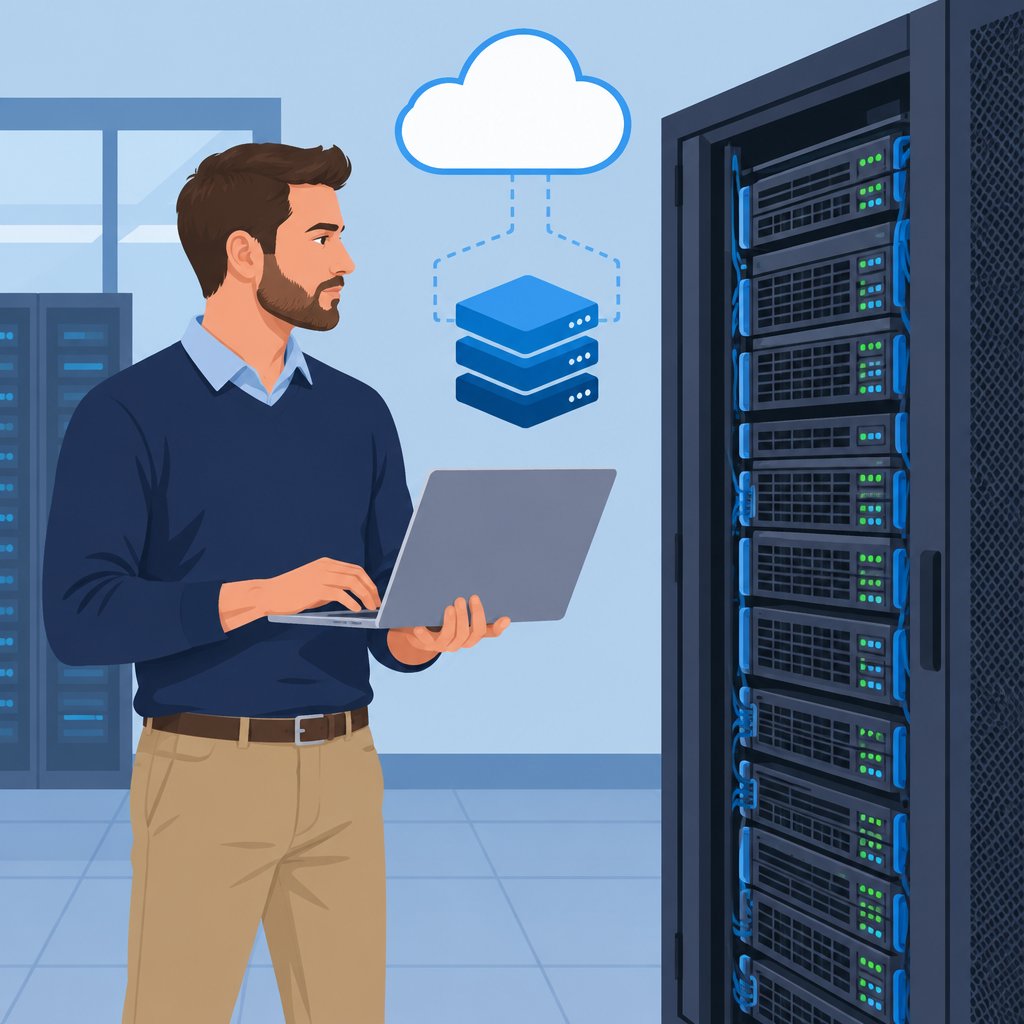
Configuring and Managing Virtual Servers
Virtualization engineers configure and manage servers to support efficient and secure operations.
Transform Your Career Today
Unlock a personalized career strategy that drives real results. Get tailored advice and a roadmap designed just for you.
Start NowProper configuration helps virtual servers run efficiently and securely.
Regular maintenance and updates help engineers sustain optimal server performance.
Engineers monitor performance and troubleshoot issues during their daily tasks.
Effective server management requires strong technical skills and consistent attention.
Ensuring Scalability and Performance
Virtualization engineers prioritize scalability and performance throughout the virtualized environment.
Careful resource planning and workload distribution support scalable operations.
Performance monitoring tools identify bottlenecks and guide resource optimization.
Regular evaluations and capacity planning help maintain consistent performance.
Strong scalability and performance practices help the environment meet organizational needs.
Find Out More: Key Incident Response Strategies for Preventing Cyber Attacks
Troubleshooting and Maintenance
- Identify and resolve virtualization issues
- Perform regular maintenance tasks
- Implement security measures for virtual infrastructure
Virtualization engineers troubleshoot and maintain virtual infrastructure.
They identify and resolve performance issues, connectivity problems, and error messages.
Therefore, effective troubleshooting supports smooth virtual operations.
Engineers also perform routine checks, updates, and optimizations.
These maintenance tasks keep virtual infrastructure running efficiently.
Additionally, proactive maintenance can prevent potential issues from becoming major problems.
Security measures protect virtual environments from cyber threats.
Engineers apply security protocols and best practices to safeguard data and resources.
They may configure firewalls, encryption, and access controls.
These measures help preserve the integrity and confidentiality of virtual infrastructure.
Delve into the Subject: Enterprise Architect vs. Solution Architect: Key Differences
Collaboration and Communication in Virtualization Projects
Virtualization engineers communicate with stakeholders throughout each stage of a virtualization project.
- Working with cross-functional teams: Engineers coordinate departmental efforts and align implementation activities with project goals.
- Communicating technical concepts: Engineers explain complex requirements clearly to non-technical stakeholders and connect them with business objectives.
- Collaborating with vendors and external partners: Engineers obtain support, troubleshoot issues, and apply appropriate virtualization practices.
Therefore, effective communication helps organizations operate virtualization solutions smoothly and pursue greater efficiency.
Discover More: Analyzing Machine Learning Model Performance Metrics
Documentation and Performance Reporting
Virtualization engineers document processes and configurations for consistent administration.
These records provide troubleshooting references and support future improvements.
Additionally, clear documentation helps teams replicate successful setups and avoid common mistakes.
- Engineers generate performance reports that reveal the virtual infrastructure’s health and efficiency.
- By analyzing these reports, engineers identify bottlenecks and optimize resource utilization.
- Furthermore, performance analysis supports capacity planning and helps maintain reliable operations.
- Engineers record environmental changes and updates for accurate historical tracking.
- These records help teams trace modifications, understand impacts, and restore previous configurations when necessary.
Consequently, documentation and reporting support efficient, reliable, and scalable virtual infrastructure.
Continuous Learning and Professional Development
Virtualization engineers must continually update their skills and knowledge.
They can use several approaches to remain competitive in the evolving technology industry.
These efforts help engineers remain valuable assets to their organizations.
- Staying updated on virtualization trends and technologies
- Engineers can read technology blogs, attend webinars, and follow thought leaders on social media.
- Pursuing certifications in virtualization and cloud computing
- Relevant certifications can strengthen an engineer’s credentials and professional standing.
- Participating in training programs and workshops
- These activities provide hands-on experience with new tools and techniques.
Virtualization Engineering Responsibilities and Impact
Virtualization engineers design, implement, and manage virtualized environments to optimize IT infrastructure.
Moreover, these professionals improve organizational efficiency, scalability, and cost-effectiveness through virtualization technologies.
Therefore, aspiring engineers should develop expertise in virtualization platforms, networking, storage, and cloud technologies.
Additional Resources
Google search results for Key Responsibilities of a Virtualization Engineer Information Technology
Bing search results for Key Responsibilities of a Virtualization Engineer Information Technology


