




Cybersecurity and IoT Development
Cybersecurity affects individuals and businesses in today’s digital age.
Growing technology reliance makes sensitive data protection essential.
Consequently, organizations prioritize strong security measures as cyber threats increase.
IoT devices now appear throughout everyday life.
Smart home appliances and wearable technology provide convenience and efficiency.
However, widespread adoption creates significant vulnerabilities.
Many devices lack adequate security features, which attracts cybercriminals.
Secure Design Principles
IoT developers must prioritize secure design principles throughout development.
They should use encryption to protect data moving between devices.
Strong authentication methods can also block unauthorized access.
Developers must update firmware regularly to address vulnerabilities.
Collaborative Cybersecurity Practices
IoT developers strengthen cybersecurity through collaboration.
They can work with security experts to understand emerging threats.
Additionally, shared knowledge helps teams create more resilient devices.
Continuous education keeps developers aware of new attack vectors.
Building Trust Through Proactive Security
IoT developers provide the first line of defense against potential threats.
As connected devices proliferate, their security commitment influences digital safety.
A proactive approach can foster trust among technology users.
IoT Developers and Their Cybersecurity Responsibilities
IoT developers design, build, and maintain systems that connect devices and exchange data.
Their work supports sensors, microcontrollers, software systems, and connected services.
As connected technology expands, these professionals help protect the systems that support homes, cities, and industries.
Professional Backgrounds and Core IoT Skills
IoT developers often come from software engineering, computer science, or related fields.
They combine programming, hardware knowledge, networking, data management, and security awareness.
Additionally, cloud computing, problem-solving, project management, and communication strengthen their development work.
- Programming Proficiency: Developers use languages such as Python, C++, and JavaScript for IoT applications.
- Hardware Knowledge: They work with electronics, circuit designs, sensors, microcontrollers, and related components.
- Networking Knowledge: They understand TCP/IP, MQTT, and HTTP for device communication.
- Data Management: They manage and analyze data using databases and analytics tools.
- Security Awareness: They recognize cybersecurity risks and include protective measures during design.
- Cloud Computing: They use platforms such as AWS, Azure, or Google Cloud for scalable solutions.
- Problem-Solving: They troubleshoot challenges throughout the development lifecycle.
- Collaboration: They communicate effectively and coordinate work within development teams.
Security Practices Embedded in IoT Development
IoT developers create functional devices while addressing security risks throughout the development process.
Because connected devices can provide entry points for cybercriminals, developers must protect devices and networks.
They also support compliance, secure communication, and continued protection against emerging threats.
- Vulnerability Assessment: Developers examine devices for weaknesses and reduce potential attack points.
- Security Best Practices: They apply encryption, secure authentication, and regular updates.
- Protected Transmission: They secure data moving between devices and protect its integrity.
- Regulatory Compliance: They adjust solutions according to applicable industry standards.
- Ongoing Support: They provide updates and maintenance as new threats emerge.
Security Across the IoT Development Lifecycle
Secure IoT solutions require attention during every stage of development.
Developers evaluate security implications before deployment and continue monitoring systems afterward.
This process helps teams identify weaknesses early and maintain protection over time.
- Requirements Gathering: Developers identify user needs and required functionality.
- Architecture Design: They plan device communication and consider security implications.
- Prototyping: They test functions and identify security flaws at an early stage.
- Development: They write code while embedding appropriate security measures.
- Testing: They conduct security testing and penetration tests to identify vulnerabilities.
- Deployment: They launch tested solutions and monitor performance and security.
- Maintenance: They deliver patches and updates when necessary.
Challenges Affecting IoT Security
IoT developers face technical constraints while building dependable and secure connected systems.
Limited device resources can restrict security features, especially when devices rely on battery power.
Meanwhile, diverse hardware and evolving threats make consistent protection difficult to maintain.
- System Complexity: Complex IoT environments make comprehensive security difficult.
- Power Constraints: Battery-powered devices may limit available security measures.
- Device Diversity: Different specifications create compatibility and consistency challenges.
- Evolving Threats: Developers must adapt solutions as cyber threats change.
IoT Developers Supporting a Secure Connected Future
IoT developers act as both builders and guardians within the connected world.
Their technical decisions influence the security of devices used across homes, cities, and industries.
As IoT continues expanding, skilled developers will remain essential to creating a more secure connected environment.
Identifying Potential Cybersecurity Threats in IoT
IoT changes how people interact with technology.
However, connected devices introduce significant cybersecurity risks.
Poor security practices can leave many IoT devices vulnerable.
Therefore, developers must identify threats before attackers exploit them.
Transform Your Career Today
Unlock a personalized career strategy that drives real results. Get tailored advice and a roadmap designed just for you.
Start NowUnderstanding these risks supports safer IoT environments.
Common Cybersecurity Threats Faced by IoT Devices
IoT devices face several threats that can disrupt operations and expose sensitive information.
Additionally, attackers may use compromised devices to control critical systems.
Developers should recognize these threats during system design and maintenance.
- Botnets: Hackers can commandeer IoT devices and create networks of infected systems.
- Data Breaches: Unauthorized users may access sensitive data stored or transmitted by IoT devices.
- DDoS Attacks: Attackers can overwhelm devices with traffic and make them unusable.
- Man-in-the-Middle Attacks: Interceptors can monitor communications between connected devices.
- Physical Attacks: Attackers may manipulate hardware or software after gaining physical access.
- Malware: Malicious software can enter device firmware or connected applications.
Recognizing these threats helps developers design systems with security in mind.
Moreover, proactive measures can reduce attack opportunities during development.
Strong security practices can increase user confidence in IoT solutions.
Vulnerabilities That Hackers May Exploit
IoT vulnerabilities persist despite continuing advances in connected technology.
Many manufacturers prioritize device functionality instead of comprehensive security.
Consequently, attackers can exploit weaknesses across devices, software, and network interfaces.
- Weak Passwords: Default passwords can remain unchanged and make devices easy targets.
- Unpatched Software: Outdated firmware can preserve security holes that attackers exploit.
- Insufficient Encryption: Unencrypted transmissions can expose data to unauthorized observers.
- Lack of Authentication: Weak authentication can permit unauthorized device access.
- Insecure APIs: Poorly coded interfaces may expose devices to attacks.
- Open Ports: Unnecessary open ports can provide pathways into connected systems.
These weaknesses give hackers opportunities to enter devices and access data.
Developers should address vulnerabilities during design, deployment, and maintenance.
They should also monitor emerging weaknesses as IoT technology evolves.
Examples of Recent Cyber Attacks Involving IoT Devices
Several high-profile attacks demonstrate the risks associated with IoT devices.
These incidents show why developers need stronger security practices.
They also encourage organizations to integrate security throughout IoT development.
- Mirai Botnet (2016): Attackers used compromised IoT devices to launch DDoS attacks.
- Ring Camera Hack (2019): Hackers accessed customer cameras without authorization.
- Vulnerabilities in Siemens S7 PLCs (2020): Exploits threatened manufacturing processes and operational efficiency.
- PrintNightmare Vulnerability (2021): The vulnerability enabled code execution on numerous IoT printers.
- Threats to Smart Home Devices (2022): Reports described increasing remote camera breaches.
These incidents have encouraged discussions about stronger IoT security standards.
Furthermore, they show why developers should integrate protection from the beginning.
Awareness can help users recognize risks and follow safer practices.
Security Priorities for Safer IoT Systems
Developers must remain vigilant when evaluating IoT threats and vulnerabilities.
They should prioritize protective measures throughout the development process.
By studying previous attacks, developers can anticipate potential security problems.
Secure IoT ecosystems can benefit developers and users worldwide.
You Might Also Like: How to Balance Multiple Projects in Edge Computing
Why Cybersecurity Matters in IoT Development
IoT devices often handle sensitive information that attackers could exploit.
Strong security practices protect personal information and help preserve user trust.
Security measures also prevent unauthorized access and support compliance with data protection regulations.
- Protection of Sensitive Data: Encryption and access controls help protect information from unauthorized use.
- Preservation of User Privacy: Effective safeguards help keep personal information private.
- Prevention of Unauthorized Access: Strong defenses reduce the risk of malicious device control.
- Regulatory Compliance: Secure development practices help organizations follow applicable data protection requirements.
Security investments can also improve device reliability and encourage users to adopt IoT solutions.
Challenges That Affect Secure IoT Development
IoT developers must address several obstacles while integrating security into connected systems.
Limited budgets can restrict the use of comprehensive security measures.
Meanwhile, complex integrations require developers to coordinate protection across many system components.
- Limited Resources: Tight budgets can reduce the security measures available to IoT projects.
- Complexity of Integrations: Multiple components make consistent security coordination more difficult.
- Rapidly Evolving Threat Landscape: Developers must monitor emerging vulnerabilities and attack methods.
- Lack of Standardization: Different practices can complicate consistent security implementation.
- Inadequate Security Awareness: Insufficient training can prevent developers from prioritizing essential protections.
These challenges can hinder effective cybersecurity integration throughout IoT applications.
Developers must address these obstacles creatively while maintaining practical security standards.
Practices That Strengthen IoT Security
IoT developers can strengthen connected systems by applying security practices throughout development.
Encryption protects data during transmission and storage.
Authentication, updates, and secure interfaces further reduce opportunities for unauthorized access.
- Data Encryption: Strong encryption protocols protect sensitive information in transit and at rest.
- Robust Authentication Protocols: Multifactor authentication adds protection by confirming user identity.
- Regular Software Updates: Planned patches address vulnerabilities and improve device security.
- Secure APIs: Input validation and rate limiting help protect application interfaces.
- Device Identification: Unique identifiers support device tracking and network management.
- Security by Design: Developers should consider security during every development phase.
- Incident Response Plan: A prepared response helps developers react promptly after a security incident.
These practices can improve the security posture of IoT devices.
Furthermore, developers can use them to build more trustworthy connected ecosystems.
Building Trust Through Secure IoT Practices
IoT developers play an important role in protecting connected environments.
They must prioritize secure development practices despite technical and organizational challenges.
Transform Your Career Today
Unlock a personalized career strategy that drives real results. Get tailored advice and a roadmap designed just for you.
Start NowResponsible security planning protects users and strengthens confidence in IoT technology.
As connected systems expand, developers must continue emphasizing robust cybersecurity measures.
This commitment can support a safer and more reliable IoT future.
Gain More Insights: SOC Analyst Work-Life Balance: Tips and Strategies
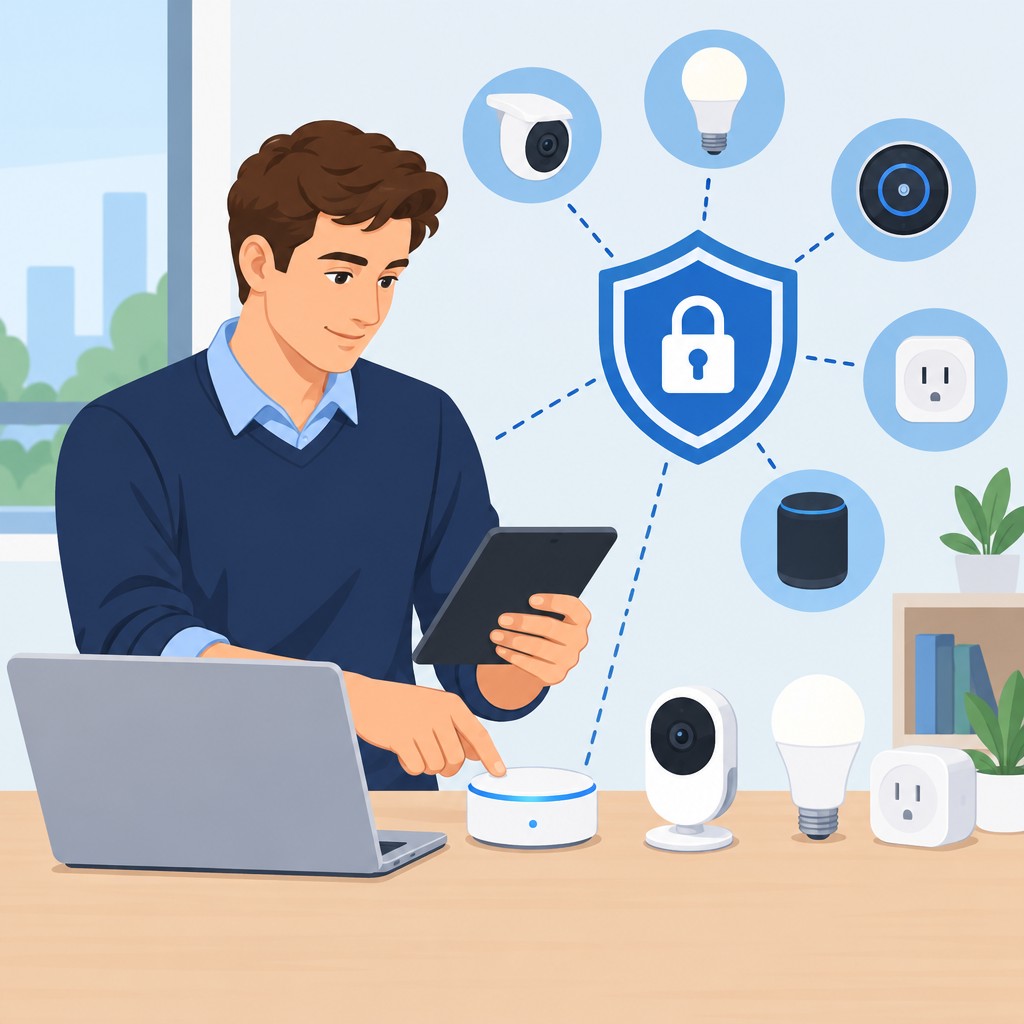
IoT developers and cybersecurity experts must collaborate to strengthen security across the expanding Internet of Things landscape.
This partnership creates a holistic approach to cybersecurity.
It addresses vulnerabilities throughout development.
Importance of Collaboration Between Developers and Cybersecurity Professionals
Developers contribute technical expertise, while cybersecurity professionals explain threats and defensive strategies.
Furthermore, teams can identify vulnerabilities during design and development.
They can then address security issues before products reach users.
- Shared Knowledge: Developers contribute technical expertise, while cybersecurity experts explain threats and defenses.
- Early Identification of Vulnerabilities: Teams identify weaknesses during design and development.
- Comprehensive Security Measures: Integrated security practices create more resilient products.
- Continuous Improvement: Ongoing collaboration helps security measures adapt to changing threats.
Because cyber threats evolve rapidly, both roles require continuous cooperation.
This cooperation also builds security awareness throughout the development process.
Benefits of Integrating Cybersecurity into Development
Integrating cybersecurity into IoT development provides several practical benefits.
Security teams can help developers prevent problems instead of relying on reactive solutions.
Early fixes usually cost less than addressing vulnerabilities after launch.
- Proactive Security Measures: Teams embed security controls from the beginning.
- Cost-Effectiveness: Development-stage fixes reduce expenses associated with post-launch corrections.
- Enhanced User Trust: Users gain confidence when organizations prioritize security.
- Regulatory Compliance: Integrated practices support adherence to industry standards and regulations.
- Improved Product Quality: Security attention can improve overall product quality and performance.
These advantages help organizations create more robust IoT solutions.
Meanwhile, developers and cybersecurity professionals both contribute essential skills.
Examples of Collaborative IoT Security Improvements
Several collaborations demonstrate how organizations can improve IoT security through coordinated work.
Each example combines development knowledge with specialized cybersecurity guidance.
Consequently, teams can address security requirements across different IoT environments.
- Smart Home Devices: A smart home company partnered with cybersecurity firms to assess device risks.
- The collaboration improved firmware updates and strengthened authentication protocols.
- Industrial IoT Solutions: A manufacturing firm worked with cybersecurity professionals to protect factory equipment.
- The teams developed secure communication channels and implemented intrusion detection systems.
- Healthcare IoT Systems: A medical device manufacturer worked with experts to support healthcare compliance.
- The teams added real-time monitoring and data encryption to protect patient information.
- Smart Grid Security: An electric utility company partnered with specialists to secure smart grid communications.
- The partnership reduced cyber threat and data breach risks across the grid.
These examples show how cross-functional teams can develop solutions for complex security challenges.
They also demonstrate the value of combining ideas, methods, and technical perspectives.
Effective Strategies for Developer and Security Collaboration
Organizations can strengthen collaboration by establishing clear processes for communication and shared work.
Regular discussions help teams address progress, obstacles, and emerging security concerns.
Cross-training also helps each group understand the other group’s responsibilities.
- Regular Communication: Teams should hold frequent meetings about development progress and security challenges.
- Cross-Training: Organizations should train developers in security practices and security specialists in development processes.
- Shared Goals: Teams should define objectives that align development and security efforts.
- Collaborative Tools: Threat modeling tools can support joint vulnerability assessments.
- Feedback Loops: Continuous feedback can improve security controls and development practices.
These strategies create a productive environment for developers and cybersecurity professionals.
Active cooperation helps organizations build stronger defenses against cyber threats.
Future Directions for Collaborative IoT Security
Organizations should continue integrating cybersecurity collaboration into future IoT projects.
As connected technology expands, security must remain a central development priority.
A collaborative culture can help organizations create products that inspire user confidence.
Additionally, teams must adapt their cooperation as new technologies and security challenges emerge.
Integrated security practices can support innovative, safe, and effective IoT solutions.
Organizations that prioritize teamwork can strengthen the security of the broader IoT ecosystem.
Explore Further: Introduction to Progressive Web Apps for Front End Devs
Emerging Technologies for IoT Security
IoT security increasingly depends on technologies that protect connected devices and the data they exchange.
These innovations strengthen existing defenses while introducing new methods for securing connected systems.
Furthermore, they address vulnerabilities that commonly affect IoT devices and networks.
- Blockchain technology: This decentralized ledger improves data integrity and transparency.
- Artificial intelligence: Machine learning algorithms improve threat detection and response.
- Edge computing: Local processing reduces latency and limits potential attack surfaces.
- Encryption standards: Advanced encryption protects data moving between connected devices.
- Secure multi-party computation: Multiple parties can process information without exposing their data.
Blockchain and Artificial Intelligence Integration
IoT developers integrate blockchain and artificial intelligence directly into system design and operation.
Blockchain protects shared records, while artificial intelligence identifies suspicious activity across connected environments.
Together, these technologies support stronger authentication, faster analysis, and more responsive security controls.
Transform Your Career Today
Unlock a personalized career strategy that drives real results. Get tailored advice and a roadmap designed just for you.
Start Now- Decentralization: Blockchain distributes records across multiple nodes and reduces single points of failure.
- Data integrity: Blockchain creates tamper-resistant records that help verify information authenticity.
- Smart contracts: Self-executing agreements automate processes without requiring intermediaries.
- Identity verification: Blockchain helps authenticate devices before they exchange data.
- Anomaly detection: Artificial intelligence analyzes usage patterns and identifies unusual behavior.
- Predictive maintenance: Artificial intelligence detects weaknesses before they create significant security problems.
- Automated threat response: Artificial intelligence enables immediate actions against detected threats.
- Behavioral analytics: Artificial intelligence evaluates behavior and supports authorized access decisions.
Cybersecurity Benefits Across IoT Systems
These technologies can improve how IoT systems prevent, detect, and respond to cyber threats.
Moreover, automated analysis can reduce response delays and support more consistent security operations.
As a result, stronger safeguards can encourage trust, innovation, and wider IoT adoption.
- Increased resilience: Blockchain and artificial intelligence create stronger defenses against cyber threats.
- Cost efficiency: Automated processes can reduce the effort required to manage security.
- Greater trust: Improved safeguards can increase confidence in IoT systems.
- Fostering innovation: Better protection gives developers greater freedom to create new functions.
- Regulatory compliance: Advanced controls help IoT systems address increasing regulatory requirements.
Future Directions for Secure IoT Development
Blockchain and artificial intelligence continue to reshape security practices throughout the IoT ecosystem.
Developers can combine these tools with strong protocols to address persistent threats more effectively.
Therefore, continued security investment can help IoT systems grow safely while supporting future innovation.
Uncover the Details: How to Advance Your Career as a Telecommunications Specialist
Continuous Monitoring for IoT Device Security
IoT devices collect and transmit valuable data across connected environments.
Therefore, developers must monitor these devices continuously to identify security problems quickly.
Regular oversight can reveal unusual activity before attackers cause greater damage.
Moreover, consistent monitoring strengthens user confidence and supports continued adoption of IoT solutions.
- Detecting anomalies: Monitoring can identify unusual patterns, including sudden increases in data traffic.
- Assessing device status: Regular checks can reveal poor performance or unexpected device behavior.
- Notifying users: Developers can alert users when systems detect abnormal activity.
- Supporting compliance: Monitoring records can help organizations maintain logs for required reviews.
Timely Updates Against Changing Security Threats
Cyber threats change continuously, so developers must update IoT devices regularly.
Attackers can exploit unpatched systems when developers delay security improvements.
Consequently, prompt updates reduce the time available for attackers to exploit known weaknesses.
Updates can also improve device functions and strengthen the overall user experience.
- Patching vulnerabilities: Developers should deploy patches quickly after discovering security weaknesses.
- Improving protocols: Updates can introduce stronger encryption and more effective authentication methods.
- Removing outdated features: Developers can eliminate functions that create unnecessary attack opportunities.
- Enhancing functionality: New releases can improve device performance and increase user satisfaction.
Tools and Methods for Managing IoT Security
Developers can combine monitoring tools with update methods to protect connected devices.
Each approach addresses different operational and security needs.
Together, these resources provide a more consistent way to manage device security.
Monitoring Tools
- Intrusion detection systems: These systems analyze traffic and identify suspicious activity targeting IoT devices.
- Security information and event management: SIEM solutions collect security data and generate alerts from established rules.
- Network monitoring tools: These tools help identify unauthorized devices and unusual network behavior.
- Device management platforms: These platforms track device health, status, and operational security.
Monitoring tools help developers observe connected systems from a central operational perspective.
Additionally, alerts can help administrators respond when devices display unusual patterns.
These capabilities support faster troubleshooting and more informed security decisions.
Updating Methods
- Automated updates: Automated systems can deliver patches and software improvements directly to devices.
- Over-the-air updates: OTA technology lets developers update many devices remotely and efficiently.
- Scheduled updates: Planned maintenance can reduce disruptions while keeping devices current.
- User-triggered updates: Notifications and prompts can encourage users to begin updates themselves.
Maintaining Security Through Ongoing Oversight
Continuous monitoring and regular updates form essential parts of IoT security management.
Developers can reduce exposure by identifying problems and addressing them without unnecessary delay.
Furthermore, consistent oversight protects device data while supporting reliable connected services.
As IoT adoption expands, developers must maintain these practices across connected environments.
Strengthening IoT Security Through Ongoing Action
IoT developers play a vital role in enhancing cybersecurity.
They design, implement, and maintain systems that protect connected devices.
Their expertise directly influences the security posture of IoT applications.
By prioritizing security during development, developers can mitigate risks early.
Developers must integrate robust encryption, secure authentication, and frequent software updates.
These practices create a more resilient security framework.
Furthermore, developers must stay informed about the latest threats and vulnerabilities.
Continuous education and training help them adapt to the evolving cyber landscape.
This commitment to learning strengthens the security of IoT solutions.
Collaboration among stakeholders significantly boosts cybersecurity efforts.
Manufacturers, developers, and users must communicate openly.
Sharing insights creates a comprehensive security approach.
Together, stakeholders can address potential weaknesses in IoT devices.
Moreover, stakeholders should establish clear protocols for incident response.
A coordinated strategy enables quick reactions to security breaches.
Transform Your Career Today
Unlock a personalized career strategy that drives real results. Get tailored advice and a roadmap designed just for you.
Start NowThis readiness minimizes the impact of cyberattacks.
It also strengthens trust among users.
In an increasingly connected world, prioritizing security in IoT development remains crucial.
The potential risks of insecure devices are too great to ignore.
Therefore, everyone involved in development must remain proactive and vigilant.
Consequently, stakeholders should work together to secure IoT devices for a safer digital environment.
Emphasizing collaboration and constant improvement leads to better security outcomes.
Together, they can help ensure that IoT devices serve their purpose without compromising safety.
Additional Resources
Google search results for Role of IoT Developers in Enhancing Cybersecurity Information Technology
Bing search results for Role of IoT Developers in Enhancing Cybersecurity Information Technology


