




IoT Testing and Validation
The Internet of Things (IoT) connects devices across various industries.
This connectivity enables smarter and more efficient operations.
Healthcare, manufacturing, and agriculture increasingly rely on IoT solutions.
These industries harness data to optimize performance and improve decision-making.
As IoT expands, organizations need robust testing and validation.
These processes confirm that IoT solutions function correctly and securely.
They also improve user experience and support greater customer satisfaction.
Effective testing identifies potential issues before product deployment.
This proactive approach reduces costly errors and increases reliability.
Security also remains crucial during IoT testing.
Internet-connected devices can become vulnerable to cyberattacks.
Testing protocols must simulate potential attacks and expose vulnerabilities.
Developers must address these weaknesses to protect user data and maintain trust.
User experience likewise influences IoT device validation.
Users expect seamless interactions with their devices.
Therefore, testing should include usability assessments for intuitive designs.
This focus can boost adoption rates and enhance satisfaction.
Moreover, complex IoT ecosystems make testing more difficult.
Multiple devices must work together, and each component requires validation.
Compatibility issues may arise because manufacturers design varied devices.
Consequently, rigorous testing must assess these interactions and confirm comprehensive functionality.
Effective testing and validation support functionality, security, and user experience.
As IoT technology evolves, testing methodologies must keep pace.
This guide explains how to test and validate IoT solutions thoroughly.
By following best practices, developers can strengthen their offerings and support successful implementation.
Understanding the IoT Ecosystem
The Internet of Things connects devices, sensors, and systems through the internet.
Each device collects and shares data with other connected components.
This exchange creates a continuous flow of information.
IoT Architecture and Components
IoT testing requires a clear understanding of the solution’s architecture and components.
An IoT solution includes several foundational parts.
These parts collect, transmit, store, analyze, and display data.
- Sensors: Sensors gather environmental data, including temperature, humidity, and light.
- Connectivity: Communication protocols transfer data through Wi-Fi, Bluetooth, Zigbee, and cellular networks.
- Cloud: Cloud platforms store and analyze collected data for efficient management and accessibility.
- Applications: Applications provide interfaces for monitoring and controlling IoT devices.
Complexity of the IoT Environment
The IoT ecosystem includes many devices and systems.
This diversity creates additional challenges for testing and validation.
Testing must address differences in devices, networks, data, and security requirements.
- Multiple Devices: IoT solutions may combine devices with unique protocols and data formats.
- Heterogeneous Networks: Devices may operate across home Wi-Fi, cellular, and LPWAN environments.
- Data Volume: Testing must verify efficient handling of the large data volumes that devices generate.
- Security Considerations: Testing must identify vulnerabilities and protect IoT data from potential breaches.
Interoperability in IoT Testing
Interoperability allows different IoT devices and platforms to work together.
It supports reliable communication across products from different manufacturers.
Effective testing verifies compatibility between devices, protocols, data formats, and user interfaces.
- Device Compatibility: Testing verifies communication between devices that follow different standards.
- Protocol Support: Testing confirms compatibility across the communication protocols that devices use.
- Data Format Compatibility: Testing ensures that systems handle varied sensor data formats smoothly.
- User Experience: Testing evaluates user interactions across interoperable platforms.
Understanding the IoT ecosystem supports effective testing and validation.
Architecture and component knowledge establishes a practical testing framework.
That framework helps teams evaluate reliable and efficient IoT solutions.
Transform Your Career Today
Unlock a personalized career strategy that drives real results. Get tailored advice and a roadmap designed just for you.
Start NowIdentifying IoT Testing Requirements
Testing and validating IoT solutions requires a comprehensive approach.
The first step involves identifying critical testing requirements.
Several factors influence the performance and reliability of IoT solutions.
Key Factors Affecting Testing
User needs should guide the testing criteria.
Regulatory standards establish important compliance requirements.
Security protocols help protect device data and user privacy.
- Engage users to understand their needs and expectations.
- Analyze how the device will integrate into daily life.
- Identify the functionalities users consider essential.
- Understand the standards relevant to the IoT application.
- Verify compliance during testing to prevent potential legal issues.
- Identify security protocols relevant to the solution.
- Validate the solution against potential security threats.
Requirements Gathering and Documentation
Accurate requirements gathering supports effective testing.
Documentation gives stakeholders a clear reference throughout the project.
Regular updates reduce ambiguity during development and testing.
- Conduct interviews with project managers and end users.
- Collect stakeholder expectations and concerns about the solution.
- Use surveys to gather quantitative data from a larger audience.
- Study competitor solutions to refine the requirements.
- Develop prototypes and gather early user feedback.
- Create a specification covering user needs, standards, and security measures.
Stakeholder Participation in Testing Criteria
Stakeholders contribute valuable insights when teams define testing criteria.
Their involvement can improve testing strategies and strengthen project alignment.
Participation also encourages ownership and commitment to the testing process.
- Schedule regular meetings throughout the project lifecycle.
- Discuss progress and concerns during those meetings.
- Organize workshops focused on testing requirements and feedback.
- Create feedback systems that remain available throughout the project.
- Draft consensus documents describing the agreed testing criteria.
- Circulate those documents for stakeholder review and agreement.
Integrating Requirements into Test Execution
Teams should integrate requirements into a structured testing execution plan.
The plan connects user needs, regulatory criteria, and security protocols.
Flexible execution allows teams to respond when new information arises.
- Develop a test plan with objectives, methods, and timelines.
- Map test cases directly to the identified requirements.
- Set up an environment that reflects real-world conditions.
- Execute tests according to the approved test plan.
- Track progress and document results carefully.
- Record issues through a systematic tracking process.
- Assign teams to resolve identified problems.
Building Reliable IoT Testing Practices
Effective IoT testing addresses user needs, regulations, and security requirements.
Stakeholder collaboration creates a clear and documented testing framework.
Thorough execution helps solutions meet the expectations established during requirements gathering.
Delve into the Subject: CIOs' Role in Business Continuity Planning
IoT Testing Strategies
IoT testing requires a structured strategy that supports reliable and high-quality results.
Teams can combine different testing approaches to match project goals, available resources, and system complexity.
A clear strategy helps teams detect problems early and improve the solution before launch.
Manual and Automated Testing Approaches
Teams can choose manual testing, automated testing, or a combination of both approaches.
Each approach offers distinct benefits and limitations that influence project planning and execution.
Project requirements should guide the balance between human evaluation and automated processes.
- Manual Testing: Testers execute cases themselves, supporting visual checks and exploratory testing.
- Manual testing suits usability evaluations but can require significant time and invite human errors.
- Automated Testing: Testing tools execute predefined scripts for repetitive and large-scale tasks.
- Automation improves consistency and speed, although its initial setup can require substantial investment.
Essential IoT Testing Types
IoT solutions require several testing types because each type examines a different system characteristic.
Testers should connect each testing type to specific requirements and expected system behavior.
Together, these evaluations provide broader coverage across functionality, performance, security, and usability.
- Functional Testing: Testers verify that software functions respond correctly to different inputs.
- Functional testing also confirms that features follow documented requirements under varied conditions.
- Performance Testing: Testers measure load handling, scalability, response times, and reliability.
- Performance testing shows whether the solution can support realistic usage demands.
- Security Testing: Testers identify weaknesses involving data protection and unauthorized access.
- Security testing also checks compliance with applicable security protocols.
- Usability Testing: Testers evaluate interfaces, navigation, and overall user satisfaction.
- Usability testing helps teams create accessible products that encourage adoption and continued use.
Project-Specific IoT Testing Strategies
Each IoT project includes unique hardware, software, objectives, risks, and stakeholder expectations.
Teams should customize testing activities instead of applying one fixed process to every solution.
A tailored plan directs effort toward the areas that matter most for project success.
- Identify Objectives: Define clear, measurable testing goals that support the project’s intended outcomes.
- Understand the Technology: Review the hardware and software ecosystems used by the solution.
- Technical knowledge helps teams select suitable methods and troubleshoot potential issues.
- Gather Stakeholder Input: Invite users, developers, and project managers to share testing priorities.
- Multiple perspectives help teams create more comprehensive coverage.
- Assess Risks: Identify threats to functionality, performance, and security.
- Prioritize high-risk areas to reduce the impact of potential problems.
- Select Suitable Tools: Choose tools that support project requirements and testing workflows.
- Evaluate reporting, compatibility, integration, manual testing, and automation capabilities.
- Establish a Timeline: Allocate sufficient time for every testing phase and milestone.
- A structured timeline improves progress monitoring, transparency, and team accountability.
Continuous Improvement Through Testing
Teams should review and update testing strategies throughout the solution’s development.
Feedback loops reveal opportunities to improve testing coverage, efficiency, and quality.
Continuous evaluation helps the strategy remain aligned with changing project needs.
A robust testing strategy supports dependable IoT solutions and reduces costly post-launch issues.
Learn More: How to Manage Multiple Releases Simultaneously
Realistic Environments for IoT Validation
Realistic test environments help developers validate IoT solutions under simulated real-world conditions.
These environments improve result reliability and reveal issues that basic setups might overlook.
Therefore, organizations should prioritize realistic testing environments during IoT solution development.
A realistic environment closely replicates operational conditions and actual IoT device deployment scenarios.
Transform Your Career Today
Unlock a personalized career strategy that drives real results. Get tailored advice and a roadmap designed just for you.
Start NowThis replication shows how devices behave under varied situations.
Consequently, teams can assess performance, security, and usability more accurately.
Controlled testing also improves troubleshooting effectiveness.
Developers can examine incorrect behavior without affecting end users.
This isolation supports debugging across complex IoT systems.
Furthermore, teams can understand problems before deployment.
Such environments also support collaboration among developers, testers, and operations teams.
Shared testing helps teams align goals and understand device interactions.
As a result, collaboration reduces miscommunication risks.
Tools for Simulating IoT Devices and Networks
Several tools and technologies simulate IoT devices and communication networks.
These resources help developers recreate conditions similar to real-world scenarios.
Tool selection should reflect each IoT solution’s specific requirements.
- Node-RED: Node-RED connects devices, APIs, and online services through flow-based visual programming.
- Emulator platforms: QEMU emulates various hardware architectures for versatile testing.
- IoT simulators: IoT Simulation Toolkit creates virtual devices for simultaneous communication testing.
- Cloud-based solutions: AWS IoT and Azure IoT Hub support cloud-based device testing.
- Protocol simulators: MQTT and CoAP simulators test connectivity and messaging behavior.
Automated testing tools promote consistency across repeated tests.
Moreover, continuous integration and deployment systems integrate effectively with these tools.
Organizations can therefore streamline their testing processes.
Data Collection During IoT Testing
Data collection supports effective testing across simulations and real-world trials.
Accurate information helps teams validate system performance.
Several methods provide comprehensive data during IoT testing.
- Real-time monitoring: Monitoring tools capture system behavior dynamically under changing conditions.
- Logs and reports: Detailed logs reveal errors and performance metrics after test runs.
- Feedback mechanisms: User feedback supports usability testing and further improvement.
- Simulation metrics: Simulations measure latency, packet loss, and network load.
- Database collection: Databases store test results for future analysis and comparison.
Organizations should evaluate storage requirements during data collection.
They must also protect collected information against unauthorized access and breaches.
Cloud storage can simplify access and management for large datasets.
Storage Requirements for IoT Test Data
Effective storage solutions support reliable IoT testing.
IoT devices can generate substantial data during testing activities.
Organizations should prepare storage systems before testing begins.
- Capacity planning: Estimate test data volumes and provide sufficient storage capacity.
- Data retention policies: Define retention periods that follow regulations and organizational policies.
- Performance: Select high-performance systems for real-time data processing.
- Backup mechanisms: Schedule regular backups to protect data integrity and availability.
- Security measures: Apply access controls and encryption throughout the testing process.
These practices create a stronger framework for testing IoT solutions.
They also minimize complications during testing and validation activities.
Integrated Practices for Reliable IoT Deployment
Realistic environments help organizations validate IoT solutions under representative conditions.
Appropriate tools simulate devices and networks with greater control.
Careful data collection produces accurate assessments throughout testing.
Finally, secure storage protects valuable testing information.
Find Out More: Enterprise Architecture for Small and Medium Enterprises
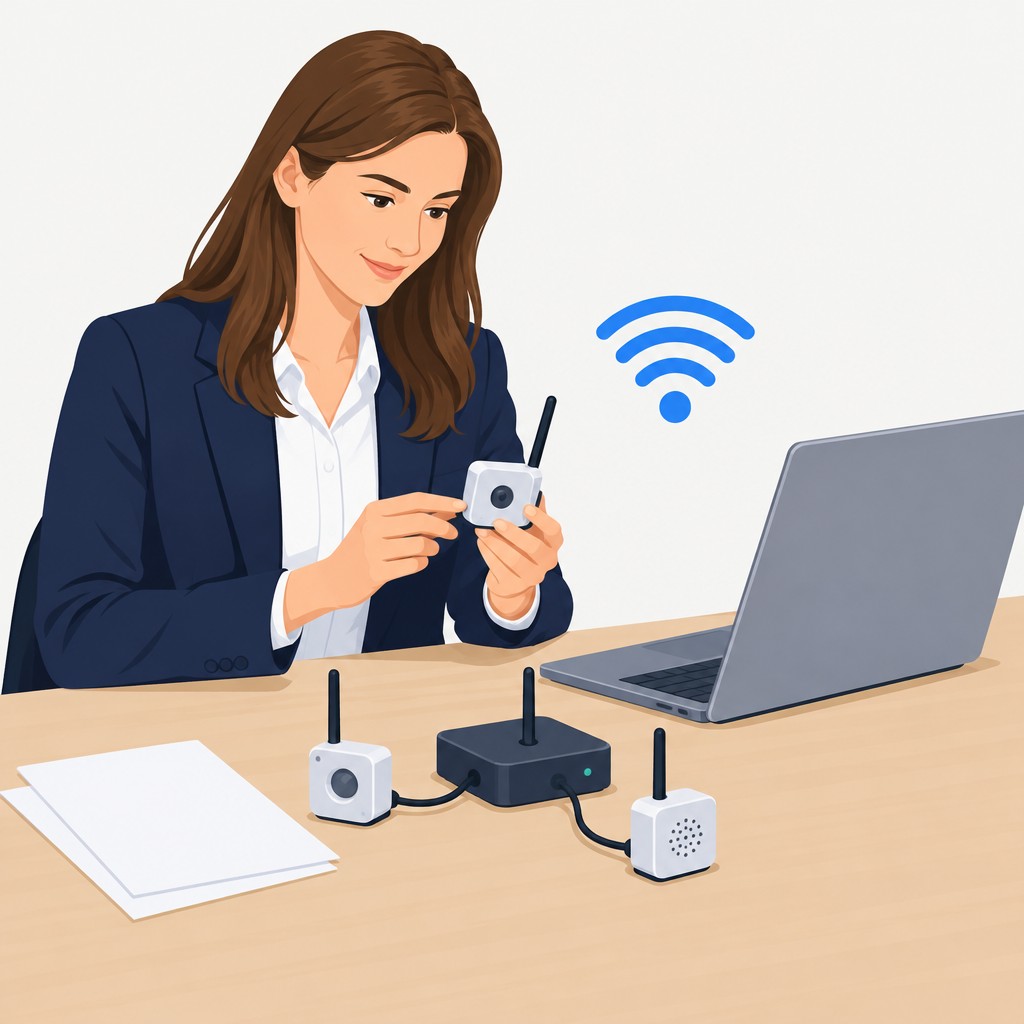
Functional Testing for IoT Device Capabilities
Functional testing verifies whether each IoT component operates according to specified requirements.
This process examines device behavior, communication, data handling, and responses.
Teams should begin testing in a controlled environment before evaluating realistic operating conditions.
Validation of Device Functionalities
Connectivity testing confirms that devices connect reliably to intended networks.
Data transmission testing verifies accurate and timely communication with cloud services or other endpoints.
Response testing measures how quickly devices react to commands and interact with other devices.
- Connectivity: Verify seamless connections through Wi-Fi, Zigbee, or cellular networks.
- Data Transmission: Confirm accurate and timely data delivery from devices.
- Response Time: Measure the time devices require to respond to commands.
- Inter-device Communication: Test communication between connected IoT devices.
Diagnostic tools can monitor connections during controlled device setup.
API Interactions in IoT Solutions
APIs connect IoT devices with cloud services and support communication between system components.
Testing API interactions helps teams maintain accurate, secure, and reliable operations.
Transform Your Career Today
Unlock a personalized career strategy that drives real results. Get tailored advice and a roadmap designed just for you.
Start NowTeams should test valid requests before examining responses to invalid data.
- Critical API Endpoints: Identify and test endpoints essential to the IoT solution.
- Data Integrity: Confirm that API data remains unchanged during transmission.
- Authentication and Authorization: Verify that only authenticated devices make API calls.
- Error Handling: Examine responses to invalid requests or incorrect data.
Negative testing reveals how APIs handle different data types, formats, and sizes.
Frequent Functional Issues in IoT Systems
Functional testing often reveals problems that interrupt device operations and user experiences.
Connectivity loss can interrupt device features when network coverage remains insufficient.
Timing problems can also produce inconsistent data transmission and delayed responses.
- Connectivity Loss: Intermittent disconnections can affect device functionality.
- Inconsistent Data Transmission: Timing issues can corrupt or misdirect transmitted data.
- High Latency: Delayed responses can reduce system functionality and user satisfaction.
- Device Interference: Nearby devices can interfere with wireless performance.
For example, poor network coverage can disrupt a smart thermostat’s temperature control and scheduling features.
Examples of Functional Testing Findings
Real-world examples demonstrate how functional testing can expose device and communication failures.
Each example connects a user-facing problem with a specific testing discovery.
Testing findings can guide corrective actions that improve reliability and user satisfaction.
- Smart Lighting Systems: Testing found that network fluctuations caused smart bulbs to lose connectivity and become unresponsive.
- Wearable Health Devices: Testing revealed incorrect sensor calibration behind inaccurate heart rate readings.
- Home Security Cameras: Testing identified a data transmission bottleneck that delayed video feeds.
- Smart Thermostats: Debugging exposed an API communication error that delayed programmed heating adjustments.
Effective Practices for Functional Testing
Effective testing combines automation, continuous evaluation, realistic scenarios, and user participation.
These practices help teams identify problems earlier and evaluate device behavior more thoroughly.
Real users can provide insights that automated processes may not reveal.
- Automated Testing: Use testing scripts to increase efficiency.
- Continuous Testing: Integrate testing into the development lifecycle for immediate feedback.
- Realistic Scenarios: Test devices under conditions they will encounter after deployment.
- End User Participation: Involve users to gather practical testing insights.
Improving IoT Solution Reliability
Functional testing validates device capabilities before teams deploy IoT solutions.
Careful attention to connectivity, transmission, and APIs can reduce later development issues.
Consequently, realistic testing and case analysis can strengthen reliability and user satisfaction.
Delve into the Subject: Common Misconceptions About Quantum Computing
Significance of Security Validation in IoT Implementations
Security validation supports successful IoT implementations.
Businesses adopt more IoT solutions, so cyber risks continue to grow.
Connected devices can create vulnerabilities that malicious actors exploit.
Comprehensive security testing protects sensitive data and preserves system integrity.
IoT systems handle vast amounts of personal and organizational data.
Breaches can cause significant financial losses and damage organizational reputations.
Security validation identifies and addresses flaws before deployment.
Security also directly influences user trust.
Consumers expect IoT devices to protect their personal information.
A breach can reduce adoption and increase customer dissatisfaction.
Types of Security Tests
Organizations use several security tests to validate IoT implementations effectively.
Each test targets specific vulnerabilities and applies a distinct security assurance approach.
These methods help teams evaluate devices, software, configurations, and connected networks.
- Penetration Testing: Penetration testing simulates attacks and reveals how far ethical hackers could penetrate an IoT system.
- Vulnerability Scanning: Vulnerability scanning uses automated tools to find known device or network weaknesses and support prompt patching.
- Security Audits: Security audits assess overall security posture, processes, infrastructure, best practices, and legal compliance.
- Code Review: Code review examines IoT application code for flaws and recommends stronger development practices.
- Configuration Assessment: Configuration assessment checks whether every IoT component uses secure settings and identifies configuration risks.
- Device Testing: Device testing examines individual devices, firmware, and hardware for potential attack vectors.
Security Practices Across the Testing Lifecycle
Teams should incorporate security considerations throughout the testing lifecycle.
Proactive practices reduce risks and limit vulnerabilities during development and deployment.
Continuous validation also helps organizations respond to evolving threats.
- Start Early: Include security considerations during the initial design and development phases.
- Adopt Threat Modeling: Use threat modeling to identify possible attacks and plan suitable mitigations.
- Integrate CI/CD Testing: Automate security testing within CI/CD workflows to validate every code change.
- Manage Updates and Patches: Apply security patches regularly and check for outdated libraries and modules.
- Train Staff: Teach team members security practices that improve coding standards and reduce application risks.
- Use Automated Tools: Run automated vulnerability scans regularly to support thorough security testing.
- Engage External Experts: Consult third-party security specialists who may identify overlooked vulnerabilities.
- Document Findings: Record security tests and findings to track improvements and measure security effectiveness.
- Establish Response Plans: Create and update incident response plans to reduce breach damage and restore operations.
- Test After Deployment: Continue validating security measures because IoT systems and threats change over time.
Security validation strengthens IoT systems by exposing weaknesses before and after deployment.
Organizations can improve protection and user trust by combining suitable tests with lifecycle security practices.
Performance and scalability testing supports reliable IoT solutions.
These tests confirm that systems perform consistently under changing conditions.
Therefore, organizations must understand testing methods before deploying IoT applications.
Business Value of Performance Testing
Performance testing verifies whether IoT devices can handle realistic operating conditions.
It also reveals weaknesses before they affect customers or increase operational costs.
Furthermore, testing helps organizations manage resources and prepare systems for future growth.
Transform Your Career Today
Unlock a personalized career strategy that drives real results. Get tailored advice and a roadmap designed just for you.
Start Now- Performance tests simulate heavy activity and confirm device stability.
- Testing identifies network bottlenecks before they disrupt service.
- Reliable performance improves the user experience.
- Resource checks measure CPU, memory, and battery consumption.
- Stress tests prepare systems for increased user demand.
Tools and Methods for IoT Stress Testing
Organizations can combine specialized tools with structured methods to test IoT systems.
These resources simulate demand, measure responses, and reveal performance limits.
Moreover, gradual testing produces clearer insights than a single sudden load increase.
- Apache JMeter simulates multiple users and measures system performance under stress.
- LoadRunner supports numerous protocols and provides detailed application analysis.
- Gatling delivers high-performance load testing through efficient user simulation.
- Locust lets developers create flexible performance tests with Python.
- Real-world scenarios improve the accuracy of testing results.
- Gradual load increases reveal when system performance begins to decline.
- Benchmarking compares results across devices or software versions.
- Continuous monitoring shows how devices respond to increasing demand.
Techniques for Measuring IoT Scalability
Scalability testing examines how systems respond when organizations add devices or upgrade existing ones.
These measurements show whether architecture, databases, and networks can support changing demand.
Consequently, teams can identify capacity limits before expansion affects responsiveness.
- Horizontal scaling tests measure performance as organizations add devices.
- Vertical scaling tests evaluate upgrades to existing device capabilities.
- Response time measurements show how quickly systems react under varied loads.
- Database testing examines interactions among multiple devices.
- Network latency measurements reveal how communication delays affect performance.
Long-Term Value of Rigorous IoT Testing
Organizations need reliable and responsive systems as IoT adoption continues to grow.
By combining suitable tools with proven testing techniques, businesses can support dependable operations.
Ultimately, rigorous performance and scalability testing strengthens reliability and user satisfaction.
IoT Standards and Certification Requirements
IoT standards establish reliable foundations for device security, quality, communication, and interoperability.
Certifications demonstrate that products satisfy recognized technical, safety, and regulatory expectations.
Together, these frameworks support dependable solutions that manage sensitive information and connect diverse devices.
- ISO/IEC 27001: This standard guides information security management and protects sensitive data handled by IoT devices.
- ISO 9001: This quality management standard supports consistent products that meet customer and regulatory requirements.
- IEEE 802.15.4: This standard defines low-rate wireless personal area networks and supports IoT interoperability.
- IPv6: This protocol provides extensive addressing capacity for connected devices and supports effective communication.
- WiFi Alliance Certification: This certification verifies WiFi performance and interoperability for compatible IoT devices.
- FIPS 140-2: This United States government standard specifies security requirements for cryptographic modules.
- UL Certification: This certification confirms that products meet applicable safety requirements through testing.
Steps for Achieving IoT Regulatory Compliance
Organizations should identify applicable regulations before designing their compliance activities.
They must compare existing solutions with regulatory expectations to reveal important compliance gaps.
A documented strategy assigns responsibilities, establishes timelines, and directs required improvements.
- Identify Relevant Regulations: Research requirements that apply to the industry and target markets.
- Conduct a Gap Analysis: Compare current IoT solutions with identified standards and regulations.
- Develop a Compliance Strategy: Define timelines, resources, responsibilities, and actions for meeting requirements.
- Implement Required Changes: Adjust software, hardware, or operating practices that fail to meet standards.
- Engage in Continuous Testing: Perform regular tests, security audits, and regulatory assessments.
- Document Your Processes: Record test results, quality measures, compliance activities, and regulatory correspondence.
- Seek External Certification: Use independent organizations to validate compliance and strengthen stakeholder confidence.
Ongoing Validation Throughout the IoT Lifecycle
Ongoing validation keeps IoT solutions relevant, secure, and compliant as technologies and requirements change.
Regular testing also helps organizations respond to evolving regulations and changing consumer expectations.
Organizations build customer trust when they demonstrate that products meet recognized industry standards.
Furthermore, continuous validation reveals vulnerabilities early and helps teams reduce operational risks.
Proactive assessments can limit costly breaches and failures that threaten operational integrity.
Because compliance requirements shift, organizations must monitor standards and update validation activities regularly.
Integrating validation into lifecycle management supports safe innovation, reliable performance, and sustainable organizational growth.
Continuous Quality Assurance for IoT Solutions
Effective testing and validation demand a systematic approach for IoT solutions.
Several practices support dependable results throughout the development process.
- Comprehensive testing methods strengthen IoT device performance.
- Additionally, communication protocol validation supports seamless connectivity.
- Moreover, stress and scalability tests help teams anticipate real-world challenges.
- Finally, user experience testing helps end users interact seamlessly with IoT solutions.
As the IoT landscape evolves, continuous testing and validation become increasingly important.
Emerging technologies introduce new challenges, so teams need adaptive testing strategies.
Therefore, organizations must prioritize rigorous testing to improve solution reliability.
Neglecting this work may cause failures and customer dissatisfaction.
Consequently, teams should adopt stringent testing practices for IoT development.
Thorough validation protects brands and strengthens user trust.
Furthermore, organizations should create a quality assurance culture that integrates testing into development.
Reliable IoT solutions directly influence user experience.
To stay prepared, teams should implement effective testing protocols today.
Successful IoT solutions require dedication to quality and continuous improvement.
Additional Resources
Google search results for How to Test and Validate IoT Solutions Effectively Information Technology
Bing search results for How to Test and Validate IoT Solutions Effectively Information Technology


