




Importance of Cybersecurity and Data Privacy
Cybersecurity and data privacy protect sensitive information.
They also help CTOs maintain trust.
Therefore, both areas remain vital responsibilities for CTOs.
Role of a CTO in Managing Cybersecurity and Data Privacy
A CTO implements robust security measures and ensures compliance with regulations.
They oversee security policies, procedures, and technologies that safeguard data.
Additionally, CTOs collaborate with cross-functional teams to identify and address security vulnerabilities and risks.
They establish incident response protocols and conduct regular security audits.
These audits help teams detect and mitigate threats.
Meanwhile, CTOs monitor emerging cybersecurity trends and technologies to strengthen overall security.
By fostering security awareness, CTOs educate employees about practices that help prevent data breaches.
Understanding the Threat Landscape
Organizations face many cybersecurity threats that can affect sensitive information and daily operations.
These threats can disrupt services, create financial losses, and expose confidential data.
Businesses must assess these risks while protecting privacy and maintaining effective security controls.
- Discuss current cybersecurity threats faced by organizations.
- Explore the implications of data privacy breaches for businesses.
Current Cybersecurity Threats
Ransomware attacks, phishing scams, malware infections, DDoS attacks, and insider threats challenge organizational security.
Ransomware attacks encrypt organizational data and demand payment for decryption.
These attacks can interrupt operations and create significant financial losses.
Phishing scams imitate legitimate entities and trick employees into revealing sensitive information.
Consequently, phishing can cause data breaches and weaken organizational security.
Malware can enter systems through harmful downloads or malicious email attachments.
It can damage data and interrupt business operations.
Organizations can reduce this risk through antivirus solutions and regular malware scans.
DDoS attacks overwhelm networks or websites with traffic and make services inaccessible.
These attacks can disrupt services, damage reputations, and cause financial losses.
Insider threats arise when employees or contractors intentionally or accidentally compromise data security.
Therefore, organizations need access controls and monitoring systems to prevent and detect these threats.
Implications of Data Privacy Breaches
Data privacy breaches can produce financial penalties, reputational damage, and lost customer trust.
Organizations that fail to protect personal data may face fines and legal consequences.
When sensitive data is compromised, affected individuals may require compensation.
Businesses may also need costly remediation measures to address the breach.
Additionally, breaches can reduce consumer loyalty, revenue, and market share.
News of a breach can damage an organization’s brand image and credibility.
Customers may lose confidence in the organization’s ability to safeguard their information.
This loss of confidence can reduce business opportunities and partnerships.
Organizations can limit these consequences through strong security measures, compliance frameworks, and incident response plans.
Proactive risk management helps organizations protect assets and preserve their reputation.
Security Controls for Data Protection
- Encryption safeguards sensitive information from unauthorized readers.
- Firewalls help prevent unauthorized network access.
- Access controls restrict who can view or modify data.
- Multi-factor authentication adds another layer of protection.
Robust security measures help CTOs protect company data and preserve customer privacy.
Because cyber threats constantly evolve, CTOs must maintain safeguards against breaches and unauthorized access.
Encryption converts data into code that blocks unauthorized reading.
Therefore, intercepted information remains unreadable without the decryption key.
Firewalls create barriers between internal networks and external threats.
Transform Your Career Today
Unlock a personalized career strategy that drives real results. Get tailored advice and a roadmap designed just for you.
Start NowThey monitor incoming and outgoing traffic against established security rules.
Consequently, they can allow or block specific data packets.
Access controls restrict who can view, modify, or delete company data.
By limiting permissions to authorized personnel, CTOs reduce opportunities for data breaches.
Multi-factor authentication requires users to provide at least two verification forms before accessing a system or application.
This additional layer reduces unauthorized access risks when someone compromises a password.
These controls help CTOs manage cybersecurity and data privacy effectively.
CTOs can remain proactive by applying these safeguards consistently.
Find Out More: How to Implement and Manage VPNs as a SysAdmin
Effective Data Privacy Policy Components
Digital organizations face significant data privacy responsibilities.
A comprehensive policy helps organizations safeguard sensitive information and support regulatory compliance.
Moreover, clear procedures help teams manage privacy risks consistently.
- Define collected data, its source, and its intended purpose.
- Set secure storage practices and clear data retention limits.
- Restrict sensitive data access and require proper authentication.
- Encrypt data during transmission and while stored.
- Prepare a prompt response plan for potential data breaches.
- Audit privacy practices regularly to verify compliance and identify improvements.
CTO Responsibilities for Data Privacy Governance
CTOs oversee the technical implementation of organizational data privacy policies.
They collaborate with legal counsel, data protection officers, and IT teams.
Together, they align policy requirements with organizational data processing activities.
CTOs assess processing activities and identify privacy risks.
They then implement safeguards that reduce vulnerabilities and support regulatory requirements.
Additionally, CTOs help enforce privacy policies across technical operations.
They promote employee awareness through training, guidance, and accessible resources.
As a result, employees better understand their responsibilities for protecting sensitive information.
CTOs also evaluate policy effectiveness through assessments, audits, and incident response exercises.
They coordinate with internal and external parties when privacy incidents occur.
Furthermore, they assess incident impacts and implement appropriate remediation measures.
These activities strengthen organizational data protection and support consistent privacy governance.
Uncover the Details: How to Stay Updated on Cybersecurity News as a SOC Analyst
Importance of Regular Security Audits
Regular security audits help identify vulnerabilities and potential risks within an organization.
They also reveal how effectively existing security measures address those risks.
Furthermore, audits help CTOs anticipate emerging threats and mitigate risks proactively.
- Regular audits help identify vulnerabilities and potential risks within the organization.
- They provide insights into the effectiveness of existing security measures.
- Audits help CTOs stay ahead of emerging threats and mitigate risks proactively.
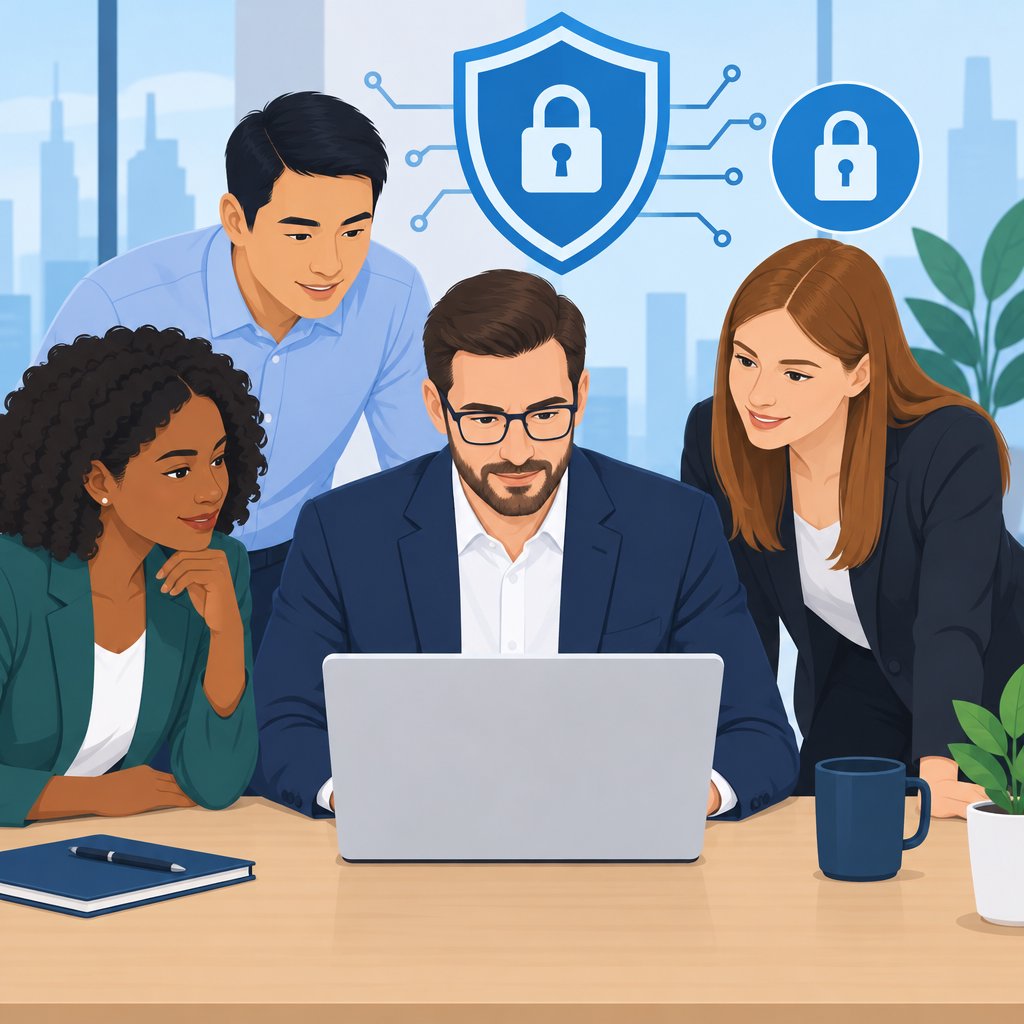
Working with Cybersecurity Experts
Cybersecurity experts can strengthen the audit process through specialized knowledge.
They can help identify advanced threats and assess the impact of potential breaches.
Additionally, experts can recommend tailored solutions and provide access to current audit tools.
- Collaborating with cybersecurity experts can enhance the audit process and bring specialized knowledge.
- Experts can help identify advanced threats and assess the impact of potential breaches.
- They can recommend tailored solutions for the organization’s security needs.
- Partnerships can provide access to the latest tools and technologies for security audits.
Uncover the Details: Freelance ERP Consulting: Pros and Cons
Educating Employees on Cybersecurity Best Practices
Employee training helps prevent cybersecurity incidents.
Moreover, practical knowledge helps employees mitigate cybersecurity risks.
Therefore, organizations should explain cybersecurity’s importance to every staff member.
- Teach employees how to identify phishing emails.
- Use strong, unique passwords for each account.
- Avoid suspicious links and unknown attachments.
Uncover the Details: Networking Tips for DevOps Professionals
Monitoring and Responding to Security Incidents
CTOs need a clear plan for handling security incidents promptly.
They should identify the breach’s nature and extent as quickly as possible.
Additionally, teams must isolate affected systems and protect crucial backups.
- CTOs must maintain a clear plan for handling security incidents.
- Teams should identify the breach’s nature and extent quickly.
- Staff must isolate affected systems to prevent the incident from spreading.
- Organizations should secure backups of crucial data and systems.
Steps for Handling a Cybersecurity Incident
CTOs should first assemble a response team with IT professionals, legal counsel, and relevant stakeholders.
Transform Your Career Today
Unlock a personalized career strategy that drives real results. Get tailored advice and a roadmap designed just for you.
Start NowThe team should assess the incident’s scope and impact while prioritizing critical systems.
Meanwhile, clear communication should keep internal and external stakeholders informed.
The team must investigate the root cause to reduce the risk of future breaches.
Finally, staff should document the response process and record lessons for future improvements.
Value of a Cybersecurity Incident Response Plan
A robust incident response plan helps organizations minimize cybersecurity damage.
A predefined process enables CTOs to respond quickly and reduce operational impact.
Moreover, effective planning demonstrates proactive action and helps maintain stakeholder trust.
Organizations should regularly update and test their plans against evolving threats.
Staying Up-to-Date with Emerging Threats
As technology evolves, cyber threats constantly change and become more sophisticated.
- CTOs must stay informed about new cybersecurity threats.
- Proactively understanding these threats improves organizational preparedness and protection.
- CTOs need resources that explain the latest cybersecurity trends.
- Following best practices helps organizations meet industry standards and guidelines.
- Subscribing to cybersecurity blogs and newsletters provides regular updates.
Attending cybersecurity conferences and webinars provides valuable insights into emerging threats.
Additionally, networking with other industry professionals supports knowledge and experience sharing.
Threat intelligence platforms provide real-time data about potential risks and vulnerabilities.
Regular risk assessments and penetration testing help identify system weaknesses.
Security awareness training helps employees prevent breaches caused by human error.
Finally, cybersecurity experts and consultants can provide additional expertise and guidance.
Secure and Adaptive Technology Leadership
CTOs align cybersecurity priorities with organizational goals to strengthen long-term technology resilience.
They also coordinate with other departments so security and privacy decisions support the wider organization.
This cross-functional leadership creates a consistent approach to protecting organizational assets.
Meanwhile, CTOs use strategic decision-making to maintain secure and resilient IT infrastructure.
Because the cybersecurity landscape keeps changing, they must remain vigilant and adapt their strategies.
Through this leadership, CTOs help organizations protect data from malicious actors.
Additional Resources
Google search results for How CTOs Manage Cybersecurity and Data Privacy Information Technology
Bing search results for How CTOs Manage Cybersecurity and Data Privacy Information Technology


