




The Growing Importance of Edge Computing
Edge computing brings computation closer to data sources, reducing latency and improving real-time decision-making.
Businesses increasingly recognize its importance across IoT devices, autonomous vehicles, and smart cities.
Meanwhile, connected devices continue expanding the demand for efficient data management.
Therefore, edge computing specialists now play an increasingly important role.
Responsibilities of Edge Computing Specialists
Edge computing specialists implement and optimize solutions for specific industry needs.
Their expertise helps organizations process data efficiently while minimizing delays and bandwidth usage.
They design architectures that support distributed computing models.
Additionally, they integrate edge devices with cloud services effectively.
They also address security vulnerabilities that affect edge environments.
Industry Applications of Edge Computing
Industries across many sectors benefit from edge computing innovations.
In healthcare, specialists support real-time patient monitoring through wearable devices.
These devices send information to local edge servers for immediate medical feedback.
In manufacturing, edge computing supports predictive maintenance.
Machine sensors gather data and analyze performance before failures occur.
Similarly, retailers use edge computing to personalize customer experiences.
Specialists analyze in-store behavior to improve promotions and inventory management.
In agriculture, edge devices monitor crop health and soil conditions.
Farmers use this information to make more informed decisions.
Furthermore, transportation systems use edge computing for smart traffic management.
Specialists optimize data routing to improve road safety and efficiency.
Future Demand for Edge Computing Expertise
As industries adopt edge computing technologies, demand for specialists will continue growing.
Their skills will support innovation and seamless integration of edge solutions.
These professionals will also drive new applications across connected industries.
Understanding Edge Computing
Edge computing processes data near its source instead of relying only on centralized data centers.
This approach shortens data travel and supports faster processing for connected systems.
It combines distributed resources, local analysis, and scalable infrastructure for responsive applications.
- Proximity: Edge systems place computation and storage closer to users and devices.
- Decentralization: Distributed resources reduce dependence on one central data center.
- Real-time Processing: Local analysis supports applications that require immediate responses.
- Scalability: Organizations can add edge nodes without replacing their existing infrastructure.
Operational Benefits of Local Processing
Local processing can improve how organizations manage data-intensive operations.
It also limits unnecessary transfers and helps systems continue operating during connectivity disruptions.
These capabilities support dependable services across different operational environments.
- Reduced Latency: Local analysis minimizes delays caused by distant cloud systems.
- Bandwidth Conservation: Edge systems transmit only essential information, which reduces bandwidth use.
- Enhanced Security: Local processing can reduce exposure during data transmission.
- Improved Reliability: Local systems can process information when cloud connectivity fails.
Applications Across Key Industries
Organizations apply edge computing across health care, manufacturing, retail, cities, and transportation.
These applications use local data analysis to support faster decisions and more responsive services.
Each industry adapts the technology to address specific operational needs.
Health Care
Health care providers can process wearable device data locally.
This setup enables immediate alerts when vital signs show abnormal readings.
Local processing also helps protect sensitive health information during transmission.
- Remote Patient Monitoring: Physicians can access current patient data for timely interventions.
- Data Security: Local processing can reduce the risk of health data breaches.
Manufacturing
Manufacturing facilities use connected devices to collect and analyze equipment data locally.
These systems help teams identify maintenance needs before equipment problems cause extended downtime.
Local performance monitoring also allows facilities to adjust processes quickly.
- Timely Maintenance: Machines can report their condition and support prompt maintenance actions.
- Performance Monitoring: Facilities can adjust operations to improve output quality.
Retail
Retailers can process transactions and inventory information within local systems.
Faster analysis helps stores respond to customer behavior and stock changes.
Transform Your Career Today
Unlock a personalized career strategy that drives real results. Get tailored advice and a roadmap designed just for you.
Start NowRetail teams can therefore support more personalized experiences and quicker replenishment.
- In-Store Experiences: Retailers can analyze customer behavior to customize experiences.
- Enhanced Checkout Processes: Faster processing can reduce customer waiting times.
Smart Cities
Smart cities use localized analysis to manage traffic and public services.
Sensors can report changing conditions and support immediate adjustments to traffic signals.
Local surveillance analysis can also help improve responses to public safety incidents.
- Real-Time Traffic Management: Sensors help authorities adjust signal patterns as conditions change.
- Public Safety: Local surveillance processing can improve responses to incidents.
Transportation and Logistics
Transportation systems use edge computing to evaluate vehicle and route information quickly.
Fleet managers can monitor vehicle performance and identify potential maintenance requirements.
Logistics teams can also adjust delivery routes according to current traffic conditions.
- Anticipating Maintenance Needs: Vehicle data can indicate when maintenance becomes necessary.
- Efficient Route Planning: Companies can adapt delivery routes using current traffic information.
Implementation Challenges for Distributed Systems
Despite its benefits, edge computing requires careful planning and consistent management.
Organizations must coordinate many devices across locations while maintaining reliable operations.
They also need compatible platforms and strong protections for every connected endpoint.
- Complexity: Distributed edge networks increase the effort required for operational management.
- Security Issues: Each edge device can create another potential security vulnerability.
- Interoperability: Devices and platforms must integrate smoothly for effective performance.
Preparing for Broader Edge Computing Adoption
Edge computing can help organizations process information closer to where activity occurs.
Its distributed design supports efficient operations, responsive services, and continued local processing.
Organizations should evaluate their infrastructure and prepare for the technology’s expanding applications.
Edge Computing Specialist Roles
Edge computing specialists design, implement, and manage infrastructures that process data closer to connected devices.
They help organizations improve system efficiency while supporting timely data processing.
Consequently, employers increasingly seek professionals who can coordinate distributed computing environments.
Responsibilities of Edge Computing Specialists
These specialists perform technical, operational, and collaborative duties across edge computing environments.
Their responsibilities require networking knowledge, careful planning, and consistent system oversight.
Moreover, they coordinate infrastructure, data movement, security, and user support.
- Designing Edge Computing Solutions: They create architectures that match their organization’s specific requirements.
- Implementing Edge Infrastructure: Specialists install, integrate, and configure the required hardware and software.
- Managing Data Flow: They maintain efficient data movement between edge devices and data centers.
- Monitoring Performance: Specialists track performance metrics, identify bottlenecks, and troubleshoot operational problems.
- Ensuring Security: They apply security protocols that protect data integrity and privacy.
- Maintaining Compliance: Specialists align systems with privacy laws, data requirements, and industry standards.
- Collaborating with Teams: They work with cloud, network, and other information technology teams.
- Training and Support: Specialists teach staff members how to use edge devices and systems.
Skills for Edge Computing Specialists
Successful specialists combine technical expertise with adaptable professional abilities.
They need practical knowledge of networks, cloud platforms, data, devices, security, and programming.
Furthermore, communication and project management skills help them coordinate complex technical work.
- Strong Networking Knowledge: Specialists must understand how data moves between devices and networks.
- Proficiency in Cloud Computing: They should understand how edge systems connect with cloud resources.
- Expertise in Data Management: Specialists organize, process, store, and analyze data effectively.
- Programming Skills: Knowledge of Python, Java, or C++ supports customization and development.
- Familiarity with IoT Devices: They should understand device operation and related technical challenges.
- Problem-Solving Abilities: Specialists need to resolve technical challenges promptly and effectively.
- Security Awareness: They apply cybersecurity practices throughout the edge infrastructure.
- Project Management Skills: Specialists organize tasks and coordinate project activities efficiently.
- Communication Skills: They explain technical concepts clearly to nontechnical stakeholders.
- Adaptability and Continuous Learning: Specialists keep developing their knowledge as technology changes.
Educational Preparation for Edge Computing Careers
Formal education can strengthen preparation for this specialized career.
Many professionals study computing disciplines before pursuing advanced responsibilities.
Additionally, certifications can demonstrate focused knowledge in security and related areas.
- Bachelor’s Degree in Computer Science: This degree develops foundational knowledge of computing principles.
- Degree in Information Technology: Information technology programs emphasize practical applications and network management.
- Master’s Degree Specialization: Advanced students may study cloud computing, data analytics, or cybersecurity.
- Certifications: Credentials such as CISSP can strengthen professional qualifications and demonstrate expertise.
Career Opportunities in Edge Computing
Edge computing specialists support organizations that depend on responsive and distributed systems.
As platforms and connected devices evolve, these professionals must continue developing their capabilities.
Therefore, targeted education and practical skills can prepare candidates for this changing field.
Discover More: Networking Skills Every IoT Developer Should Master
Industries Applying Edge Computing
Edge computing supports faster data processing across several industries.
Businesses use this technology to improve efficiency, reliability, and operational performance.
Healthcare, transportation, manufacturing, retail, and smart cities actively apply edge solutions.
- Healthcare
- Transportation
- Manufacturing
- Retail
- Smart Cities
Healthcare Applications
Healthcare organizations use edge computing to improve patient care.
By processing information near patients, providers receive timely clinical insights.
These applications support monitoring, consultations, and medical image analysis.
- Remote Patient Monitoring: Devices collect patient information and send it immediately for analysis.
- Telemedicine: Edge solutions support real-time consultations between patients and healthcare professionals.
- AI Diagnostics: On-site algorithms analyze medical images and provide immediate results.
Remote Healthcare Monitoring Results
A leading hospital implemented edge devices for remote patient monitoring.
The system reduced response times during patient emergencies.
Hospital readmission rates fell by 30%, while patient satisfaction scores increased significantly.
Transportation Innovations
Transportation providers use edge computing to process operational information quickly.
Consequently, real-time analysis can improve safety, traffic flow, and logistics.
Transform Your Career Today
Unlock a personalized career strategy that drives real results. Get tailored advice and a roadmap designed just for you.
Start NowSeveral transportation applications demonstrate these practical benefits.
- Autonomous Vehicles: Self-driving cars process surrounding information immediately and make rapid decisions.
- Traffic Management: Smart systems adjust traffic signals using information from multiple sensors.
- Fleet Management: Vehicle-based edge devices track performance, maintenance needs, and fuel efficiency.
Smart Traffic System Results
A city deployed an edge-enabled traffic management system.
The system analyzed traffic information and optimized signal timing.
Over six months, congestion decreased by 25%, and commute times shortened.
Manufacturing Enhancements
Manufacturers use edge computing to connect machines and support smarter factories.
These systems help teams identify equipment problems and production issues quickly.
They also improve maintenance, quality assurance, and supply chain operations.
- Predictive Maintenance: Sensors send machine information to edge devices for maintenance analysis.
- Quality Control: Automated systems identify production defects immediately.
- Supply Chain Optimization: Edge technology monitors inventory and supports efficient replenishment.
Predictive Maintenance Results
A large manufacturing plant adopted edge computing for predictive maintenance.
The plant installed Internet of Things sensors on critical machines.
Unexpected breakdowns fell by 40%, and production efficiency improved.
Retail Transformations
Retailers apply edge computing to improve customer experiences and sales activities.
Real-time analysis helps stores respond quickly to customer behavior.
Furthermore, edge systems support promotions, inventory, and checkout operations.
- Personalized Marketing: Edge devices analyze customer behavior and deliver timely offers.
- Inventory Management: Real-time information helps stores reorder products and reduce stockouts.
- Smart Checkout: Edge-enabled systems support faster transactions and shorter queues.
Personalized Retail Marketing Results
A leading retailer adopted edge computing for personalized marketing.
The retailer analyzed customer movement within its stores.
Targeted promotions increased sales by 20% during promotional periods.
Smart City Development
Smart cities use edge computing to improve urban infrastructure and public services.
Local analysis helps city systems respond quickly to changing conditions.
As a result, residents can benefit from more responsive services.
- Public Safety Monitoring: Edge devices analyze camera feeds and support rapid emergency responses.
- Waste Management: Sensor-equipped bins notify collectors when they require emptying.
- Energy Management: Cities monitor consumption and optimize energy distribution in real time.
Public Safety Monitoring Results
A city implemented an edge-based public safety monitoring system.
The system analyzed video information for signs of suspicious activity.
Over one year, crime rates dropped by 15%, strengthening community safety.
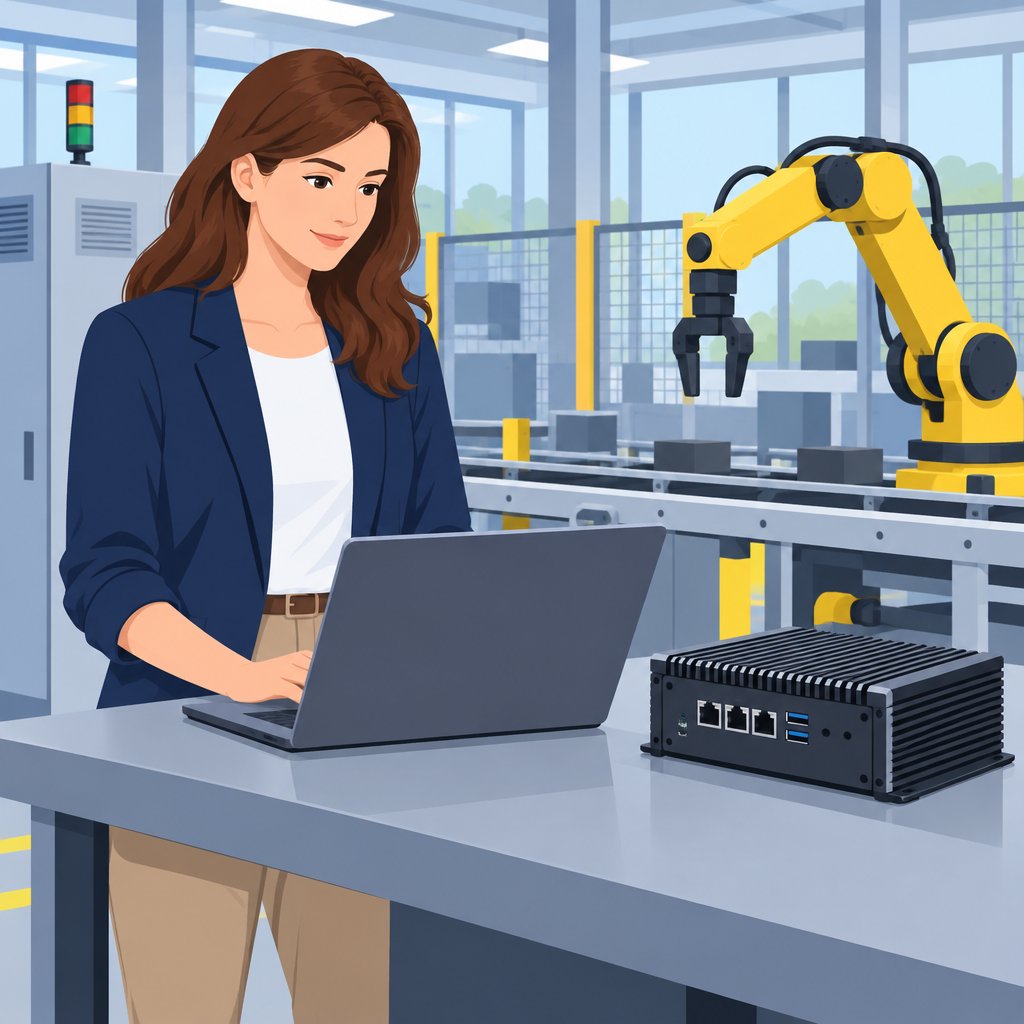
Operational Benefits Across Industries
Edge computing supports practical improvements across healthcare, transportation, manufacturing, retail, and cities.
Organizations can reduce costs while improving response times and operational efficiency.
Continued adoption will support further innovation and stronger performance.
Discover More: Best Practices for Conducting Effective IT Audits
Edge computing specialists help organizations process data closer to connected devices.
They optimize localized systems for faster and more efficient operations.
This approach supports manufacturing, healthcare, and entertainment applications.
Organizations can manage large data volumes more effectively through distributed processing.
Enhanced Data Processing
Edge computing specialists distribute data management across localized networks.
This distribution reduces the information sent to central servers.
As a result, organizations process data faster and make decisions more quickly.
- Localized processing improves operational efficiency.
- Reduced server traffic supports faster data handling.
- Faster processing supports timely organizational decisions.
Reduced Latency
Specialists configure systems to process data near users and connected devices.
Geographical proximity shortens data transfer paths and reduces delays.
Organizations therefore respond more quickly to real-time demands.
- Gaming applications can provide a more responsive user experience.
- Healthcare environments can respond more effectively to critical needs.
- Real-time analytics can support immediate decision-making.
Optimized Bandwidth Usage
Edge computing specialists determine which data requires immediate processing.
They store less urgent information for later analysis when appropriate.
This strategy reduces transmission demands and limits network congestion.
- Efficient resource use supports cost-effective operations.
- Lower central-server traffic can improve overall performance.
- Organizations can prioritize critical data over non-urgent information.
Improved Security and Privacy
Security remains essential when organizations manage large amounts of data.
Transform Your Career Today
Unlock a personalized career strategy that drives real results. Get tailored advice and a roadmap designed just for you.
Start NowSpecialists apply security measures directly within edge environments.
Local processing can reduce exposure during data transmission.
- Localized storage can reduce interception risks.
- Encryption and access controls protect data at the edge.
- Local data handling can support privacy regulation compliance.
Scalability and Flexibility
Specialists design edge infrastructures that adapt to changing organizational needs.
Flexible systems allow organizations to add devices and applications more easily.
This adaptability supports growth without requiring a complete system overhaul.
- Dynamic scaling improves resource allocation.
- Specialists deploy new solutions with minimal disruption.
- Existing-system compatibility supports smoother transitions.
Cost-Effective Operations
Edge computing specialists can help organizations reduce data transfer expenses.
Local processing reduces dependence on large cloud services.
Organizations can also use existing infrastructure more efficiently.
- Lower transmission fees can reduce operational costs.
- Efficient infrastructure use can increase return on investment.
- Proactive maintenance can reduce unexpected downtime expenses.
Real-Time Analytics
Edge computing specialists enable organizations to analyze data as it appears.
This capability helps industries act on information without extended delays.
Timely analysis supports operational monitoring and faster responses.
- Manufacturers can monitor production processes continuously.
- Retailers can assess customer behavior immediately.
- Healthcare providers can monitor patient vital signs instantly.
Support for IoT Devices
The growth of IoT devices creates distinct data management challenges.
Edge computing specialists integrate these devices into efficient processing environments.
They also help maintain reliable communication between connected devices.
- Improved connectivity supports seamless device interactions.
- Secure exchange protocols protect device communications.
- Performance monitoring supports reliable device operations.
Workforce Productivity
Optimized data processing helps employees access information more quickly.
Faster access supports informed decisions and more effective collaboration.
Reduced waiting times can also improve workplace morale.
- Streamlined processes can increase workforce efficiency.
- Faster data access can reduce employee waiting times.
- Lower latency can improve collaboration tools.
Future-Ready Organizational Infrastructure
Technology continues to evolve across modern organizations.
Edge computing specialists create adaptable solutions for this changing environment.
Their work helps organizations remain prepared for emerging technologies.
- Edge investments prepare organizations for future technologies.
- Specialists help organizations respond to industry trends.
- Continuous learning supports adaptability over time.
Edge computing specialists improve processing, security, analytics, and operational flexibility.
Organizations that invest in this expertise can use edge computing more effectively.
Their knowledge helps companies strengthen performance while preparing for future demands.
You Might Also Like: The Growing Importance of Cloud Vendors in IT Management
Challenges Affecting Edge Computing Specialists
Edge computing specialists face obstacles that can disrupt implementation, maintenance, and system performance.
These challenges often involve connectivity, security, device coordination, scalability, energy use, and financial planning.
Therefore, specialists need practical strategies that address technical and operational demands.
- Limited Bandwidth: Restricted network capacity can slow data transfers and hinder real-time processing.
- Data Security Concerns: Distributed data increases cybersecurity risks and complicates sensitive information protection.
- Device Management: Managing numerous edge devices requires consistent monitoring, maintenance, and performance checks.
- Interoperability Issues: Different device standards can prevent seamless integration across edge computing environments.
- Scalability Challenges: Growing environments must expand without reducing system performance or reliability.
- Latency Issues: Delays can affect applications that require rapid data analysis and response.
- Energy Management: Remote devices need efficient power use to maintain sustained operation.
- Cost Constraints: Implementation and maintenance expenses can strain budgets without careful financial planning.
Strategies for Reliable Edge Computing Operations
Specialists can combine infrastructure planning, security controls, and operational tools to manage these challenges.
Additionally, standardized systems can improve coordination across diverse devices and networks.
Careful planning also supports efficient growth while controlling resource use and costs.
- Invest in Robust Infrastructure: Reliable hardware and networking devices can strengthen bandwidth management and overall performance.
- Implement Security Protocols: Encryption, firewalls, and intrusion detection systems can help protect sensitive data.
- Use Remote Management Tools: Centralized software can simplify monitoring, updates, and performance tracking.
- Establish Standardized Protocols: Shared communication standards can improve interoperability among devices.
- Design for Scalability: Modular components can support upgrades and expansions as environments grow.
- Optimize Data Processing: Local processing can reduce latency and improve operational efficiency.
- Implement Energy-Efficient Solutions: Low-power devices and optimized consumption patterns can extend device operation.
- Plan Budgets Carefully: Detailed cost analysis can identify investments that support edge computing objectives.
Building Resilient Edge Computing Environments
Successful deployments require specialists to recognize obstacles before they disrupt system operations.
Moreover, continuous adaptation helps teams respond to changing technical and operational requirements.
Through coordinated planning, specialists can improve reliability while supporting long-term edge computing performance.
These efforts help organizations maintain effective edge infrastructure across changing operating conditions.
Gain More Insights: Key Differences Between iOS and Android Development
Emerging Trends in Edge Computing
Edge computing is rapidly transforming how businesses and industries operate.
Several trends will shape the role of edge computing specialists.
As technology evolves, professionals must stay aware of these developments.
- Increased Adoption of IoT Devices: Organizations increasingly use Internet of Things devices to gather real-time data.
- Edge computing processes this data near devices, which reduces latency.
- AI and Machine Learning Integration: Artificial intelligence is moving toward edge devices.
- AI chips embedded in edge devices improve processing efficiency and real-time decision-making.
- Improved Networking Technologies: Advances in networking, including 5G technology, continue driving edge computing.
- 5G provides lower latency and increased bandwidth for edge computing solutions.
- Enhanced Security Measures: Security remains a major concern as more devices connect to edge systems.
- Specialists must prioritize cybersecurity protocols and other security innovations.
- Decentralized Architectures: Businesses are beginning to adopt decentralized architectures.
- Distributed computing resources improve efficiency and strengthen resilience against failures.
Career Growth Opportunities in Edge Computing
Demand for edge computing solutions continues to increase.
Consequently, specialists can pursue several career paths.
Transform Your Career Today
Unlock a personalized career strategy that drives real results. Get tailored advice and a roadmap designed just for you.
Start NowThese opportunities support professional growth and development.
- Expanding Job Roles: Employers increasingly create specialized edge computing positions.
- Edge AI engineers, IoT architects, and edge security analysts serve different needs.
- Upgrading Technical Skills: Professionals must continually refine their technical abilities.
- Knowledge of cloud computing, networking, and artificial intelligence strengthens competitiveness.
- Upskilling programs and certifications can help specialists maintain relevant expertise.
- Networking and Collaboration Opportunities: Industry events can connect professionals with edge computing leaders.
- Collaborative projects can strengthen a professional portfolio and expand expertise.
- Research and Innovation: Specialists can develop new techniques and tools through research.
- Research activities support personal growth and advance the field.
- Interdisciplinary Opportunities: Edge computing intersects with many industries.
- Specialists can apply their skills across healthcare, manufacturing, and other sectors.
Long-Term Prospects for Edge Computing Specialists
The future of edge computing holds significant promise for specialists.
Emerging trends will continue redefining specialist responsibilities.
Professionals who adapt to these changes can strengthen their career prospects.
Specialists can pursue leadership opportunities through continued career development.
Continuous learning and professional networking will remain essential.
As businesses rely more heavily on edge computing, demand for skilled specialists will grow.
Specialist Contributions to Responsive Operations
Edge computing specialists improve operations by analyzing information near connected devices.
They also support responsive applications, including autonomous vehicles and real-time analytics.
Moreover, healthcare teams use their work to monitor patients and respond promptly.
Preparation and Career Development
Organizations increasingly value specialists who can apply edge technologies effectively.
Therefore, degrees in computer science, information technology, or data analytics can build foundational knowledge.
Certifications, internships, projects, and professional communities can further strengthen preparation.
Future Opportunities in Edge Computing
By tracking industry developments, aspirants can prepare for changing technical demands.
Consequently, their skills can support future advances in IoT and artificial intelligence.
These opportunities allow professionals to influence technology while building adaptable careers.
Additional Resources
Bing search results for Real-World Applications of Edge Computing Specialists Information Technology


